

March School Nurse Newsletter: Spring Allergies and End of Flu Season
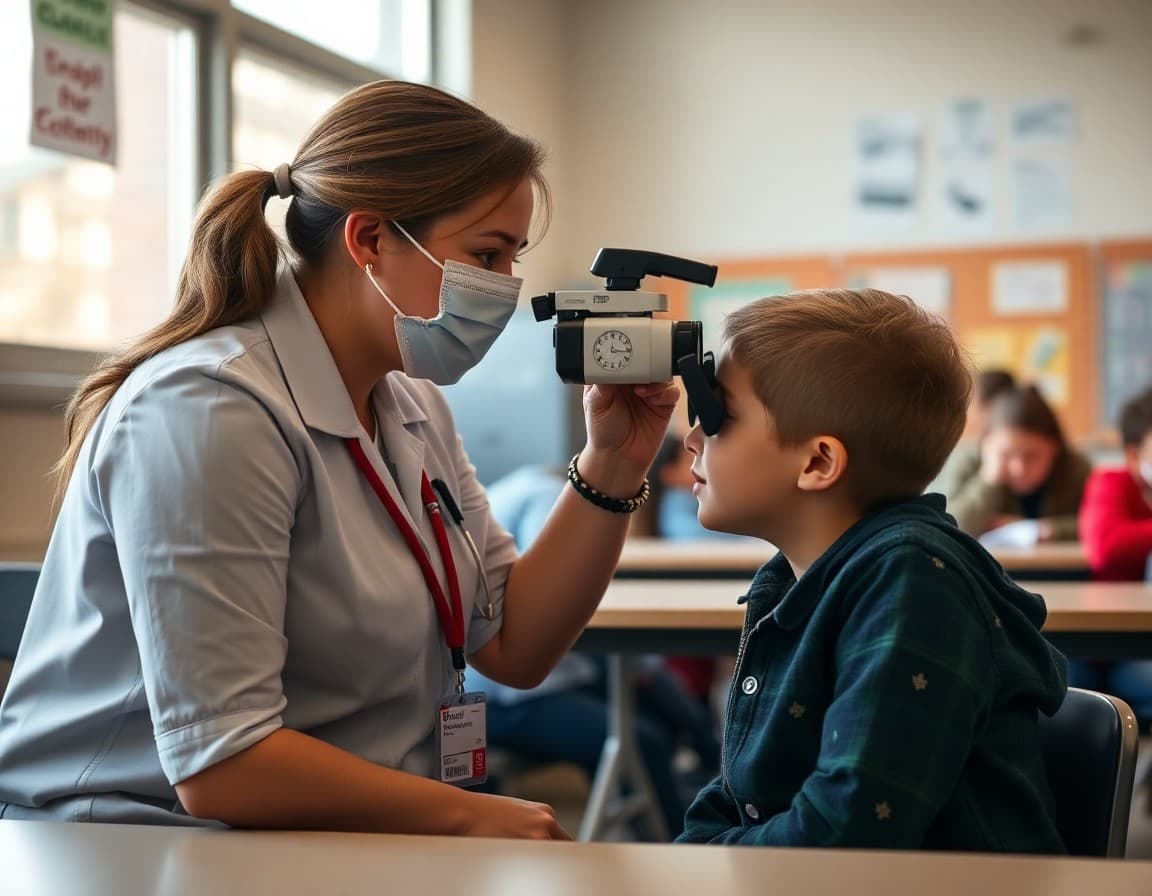
March is the transition month in school health: flu season is winding down and spring allergy season is picking up. Families need help distinguishing between the two, students with seasonal allergies need medication authorization updated, and longer outdoor recess brings its own health considerations. Your March newsletter covers the transition before the questions start flooding in.
Signal the end of peak flu season
A brief, positive note that the worst of flu season is typically behind us by late March gives families useful context. You do not need to formally declare anything. "Respiratory illness counts have dropped significantly in recent weeks, which is typical for this time of year. We continue to watch for any upticks, but the peak appears to have passed." That kind of honest update is appreciated and builds trust.
Introduce spring allergy season
March is when tree pollen begins in most regions, and students with seasonal allergies start showing symptoms. Give families the clear distinction between allergy symptoms and illness: allergies cause consistent runny nose, sneezing, and itchy or watery eyes, typically without fever. Illness involves fever, body aches, and sudden onset. One practical rule: "If your child has had the same runny nose and sneezing for more than five days without a fever, that is probably allergies. Consider an allergy medication and contact your doctor if you are unsure."
Remind families about allergy medication authorization
Students who need antihistamines or other allergy medications at school require a medication authorization form on file before the medication can be administered. A March reminder catches families before allergy season peaks. "If your child will need any allergy medication at school this spring, please submit a medication authorization form to the nurse's office. You can pick up a form at the office or download it at [link]. A physician signature is required for prescription medications."
Address asthma and spring allergens
Spring pollen and outdoor mold can trigger asthma symptoms in students whose asthma is otherwise well-controlled. A brief note for families of students with asthma: "As spring allergens increase, asthma symptoms may return even in students who have been stable all winter. Make sure your child's rescue inhaler is in their school bag and that I have a current asthma action plan on file. Contact your child's doctor if symptoms change."
Share outdoor health reminders for longer recess
March brings longer outdoor recess as temperatures rise. A few health reminders are timely: applying sunscreen before school on sunny days, drinking water consistently through the school day as activity increases, and wearing appropriate footwear for outdoor play. In tick-endemic regions, a brief tick-check reminder for after outdoor time is worth including.
Note any upcoming vision or hearing screenings
Many schools schedule vision and hearing screenings in the spring. If yours are coming up, give families advance notice: what grades are being screened, when, what the process involves, and how you will communicate results. Families who know screenings are coming are less alarmed when they receive a referral notice.
Close with your open-door invitation
Spring allergy season means more students in your office with watery eyes and runny noses. A brief note about what warrants a visit to the nurse versus what families can manage at home with an antihistamines reduces unnecessary office traffic while still ensuring students who need you can access you.
Daystage makes your March nurse newsletter easy to send before allergy season peaks. Your medication authorization reminders and allergy-versus-illness guidance reaches families when they need it most.
Get one newsletter idea every week.
Free. For teachers. No spam.
Frequently asked questions
What health topics should a school nurse cover in a March newsletter?
Spring allergy season onset and how to distinguish allergies from illness, medication authorization updates for antihistamines or allergy medication, vision and hearing screening reminders if scheduled in spring, outdoor safety with longer recess times, and a brief note on the transition out of peak flu season.
How do I help families distinguish spring allergies from illness in a nurse newsletter?
Give the comparison plainly: allergies typically involve consistent sneezing, runny nose, itchy eyes, and no fever. Illness involves fever, body aches, and sudden onset. One practical guidance: 'If your child's symptoms have been consistent for more than a week and there is no fever, this is likely allergies, not illness. Contact your pediatrician about allergy medication options.'
Should I address allergy medication authorization in a March newsletter?
Yes. Many students whose families manage seasonal allergies need antihistamines or other allergy medications available at school. Remind families to submit a medication authorization form if their child will need any allergy medication at school during the spring season. Include how to submit the form.
What outdoor health reminders are relevant in a March school nurse newsletter?
Sun protection awareness for longer outdoor recess, hydration reminders as temperatures rise, and tick awareness if your school is in a tick-prone region. March is when students suddenly spend significantly more time outdoors and families do not always update their habits accordingly.
What newsletter platform works for school nurse communications?
Daystage is a school-focused newsletter tool that lets you build a professional nurse newsletter, send to your school community, and track who opened it. Open-rate tracking is particularly useful for allergy season, where documentation that medication authorization reminders were sent to families can matter.

Adi Ackerman
Author
Adi Ackerman is a former classroom teacher and curriculum writer with 8 years in K-8 schools. She writes about school communication, parent engagement, and what actually works in real classrooms.
More for School Nurses
AED and Emergency Equipment Newsletter: Communicating School Emergency Readiness to Families
School Nurses · 5 min read
Allergy Awareness Newsletter: How to Communicate Food and Environmental Allergies to School Families
School Nurses · 6 min read
School Nurse Back-to-School Health Newsletter: Everything to Cover in August
School Nurses · 7 min read
Ready to send your first newsletter?
3 newsletters free. No credit card. First one ready in under 5 minutes.
Get started free