
February School Nurse Newsletter: Flu Peak, Heart Health, and Hygiene

February is still peak flu season in most regions, Valentine's Day creates a classroom food event with allergen implications, and American Heart Month gives you a timely theme for a brief health education moment. Your February nurse newsletter covers all three without becoming a lecture.
Update families on the current illness situation
If flu is still circulating heavily, say so. If you have had a notable absence week, mention it without alarm. Families who know the school is seeing active illness are more likely to keep a borderline-sick child home. "We continue to see flu-like illness this week. Please review the illness criteria below before sending your child if they are not feeling well." That sentence does more than a general prevention reminder.
Remind families about Valentine's Day classroom food safety
Classroom Valentine's Day parties are a food allergen risk. Send your reminder early, not the day before. The key points: all classroom treats must have a visible ingredient label, families of students with documented allergies should contact the classroom teacher and your office before the party date, and homemade treats without labels should not be distributed. A brief, direct paragraph covers everything. One line for teachers in the newsletter as well: "Teachers, please review your class allergy list before any food event."
Add a brief heart health message for American Heart Month
February is American Heart Month. A short paragraph connecting heart health to student habits is well-timed and builds health literacy. Keep it positive and practical: three heart-healthy habits for children are at least 60 minutes of physical activity most days, a diet that includes fruits and vegetables alongside reasonable treats, and adequate sleep. You do not need to turn this into a cardiovascular lecture. Two sentences and a takeaway is the right length.
Reinforce illness exclusion criteria
February is when families start getting worn down by illness season and sometimes make questionable calls about sending a sick child to school. A clear restatement of your policy is timely: "Students need to stay home if they have a fever of 100.4 or above, are vomiting or have diarrhea, or are too unwell to participate in class. They can return 24 hours after fever breaks without medication." No softening, no hedge. Clear criteria.
Note any upcoming screenings or health checks
Many schools schedule vision and hearing screenings in the winter. If you have screenings coming up in February or March, tell families in advance. Explain what the screening involves, when families will hear results, and what happens if a referral is needed. Families who are prepared respond faster to referral letters.
Share one hygiene tip relevant to February
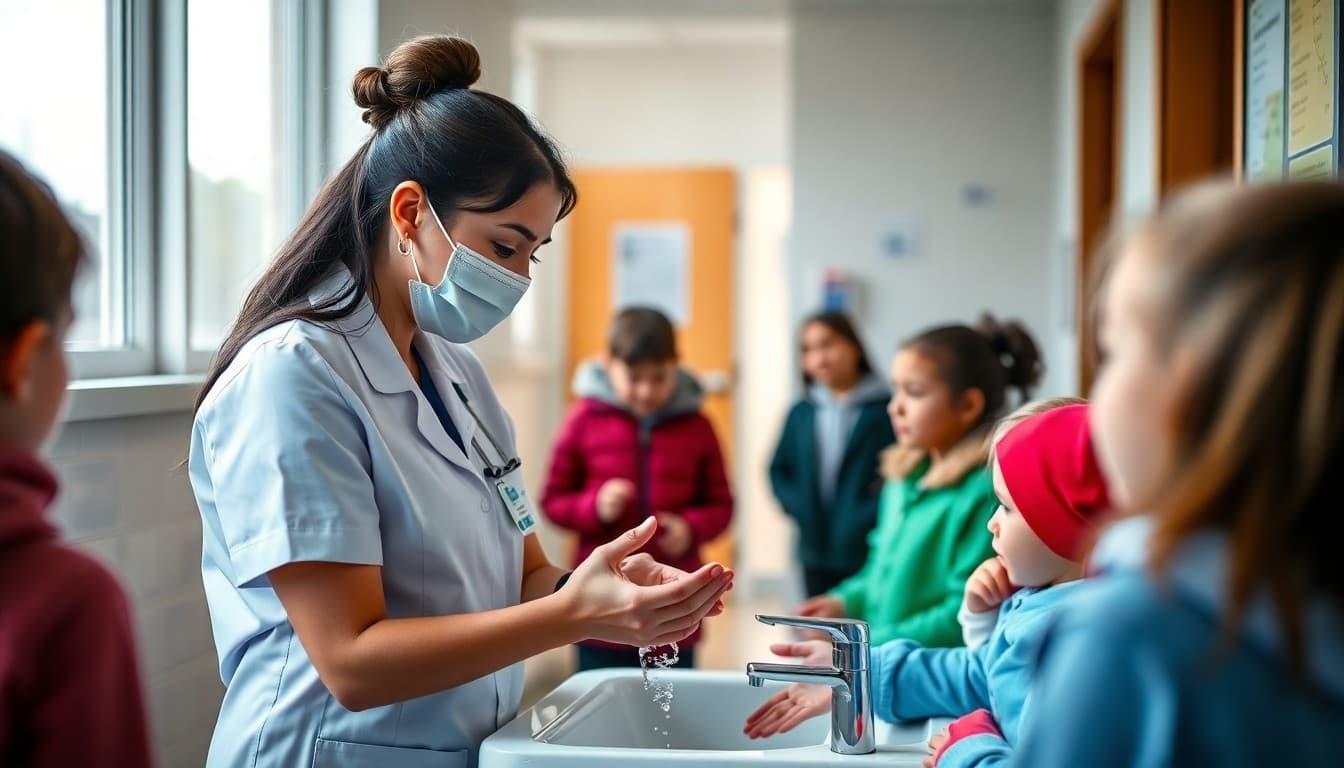
February is a high-sharing month in elementary classrooms. Valentine cards, shared art supplies, and class parties all create contact points. A brief reminder about not sharing water bottles, lip balm, or utensils during illness season is practical and seasonally relevant. Two sentences is enough.
Close with contact information and an open invitation
Every February nurse newsletter should end with a clear invitation for families to reach out with health questions. A note that you are available for consultations about your child's health before sending them to school reduces office traffic and builds trust with parents who are uncertain.
Daystage makes your February nurse newsletter fast to send. Your template is ready, you update the seasonal content, and open-rate tracking documents that families received your holiday food safety and illness guidance.
Get one newsletter idea every week.
Free. For teachers. No spam.
Frequently asked questions
What health topics should a school nurse cover in a February newsletter?
Peak flu and respiratory virus season updates, Valentine's Day food allergen reminders for classroom parties, heart health awareness basics for children, vision and hearing screening schedules if applicable, hand hygiene reminders, and illness exclusion policy refresher.
Should I address heart health in a February school nurse newsletter?
Yes, briefly. February is American Heart Month. A short note about heart-healthy habits for children, including physical activity, limiting sugary snacks, and adequate sleep, is appropriate and connects to a nationally recognized health theme families are already seeing in the media.
How do I handle Valentine's Day candy and food allergens in a nurse newsletter?
The same guidance as Halloween: classroom treats must have visible ingredient labels, families with allergic students should contact the teacher and your office before the party, and homemade items without labels should not be distributed. Send the reminder two weeks before the holiday, not the day before.
How do I keep flu season messaging fresh when families have heard it all year?
Update the message with current context. If your school has had a notable illness week, say so. If the regional flu strain this year has specific characteristics, mention them briefly. New information keeps people reading. A repeated generic message gets scrolled past.
What newsletter platform works for school nurses?
Daystage is a school-specific platform that lets you build a clean, professional nurse newsletter and send it monthly without technical setup. Open-rate tracking helps you document that health communications were sent and received, which is useful for school compliance records.

Adi Ackerman
Author
Adi Ackerman is a former classroom teacher and curriculum writer with 8 years in K-8 schools. She writes about school communication, parent engagement, and what actually works in real classrooms.
More for School Nurses
AED and Emergency Equipment Newsletter: Communicating School Emergency Readiness to Families
School Nurses · 5 min read
Allergy Awareness Newsletter: How to Communicate Food and Environmental Allergies to School Families
School Nurses · 6 min read
School Nurse Back-to-School Health Newsletter: Everything to Cover in August
School Nurses · 7 min read
Ready to send your first newsletter?
3 newsletters free. No credit card. First one ready in under 5 minutes.
Get started free