
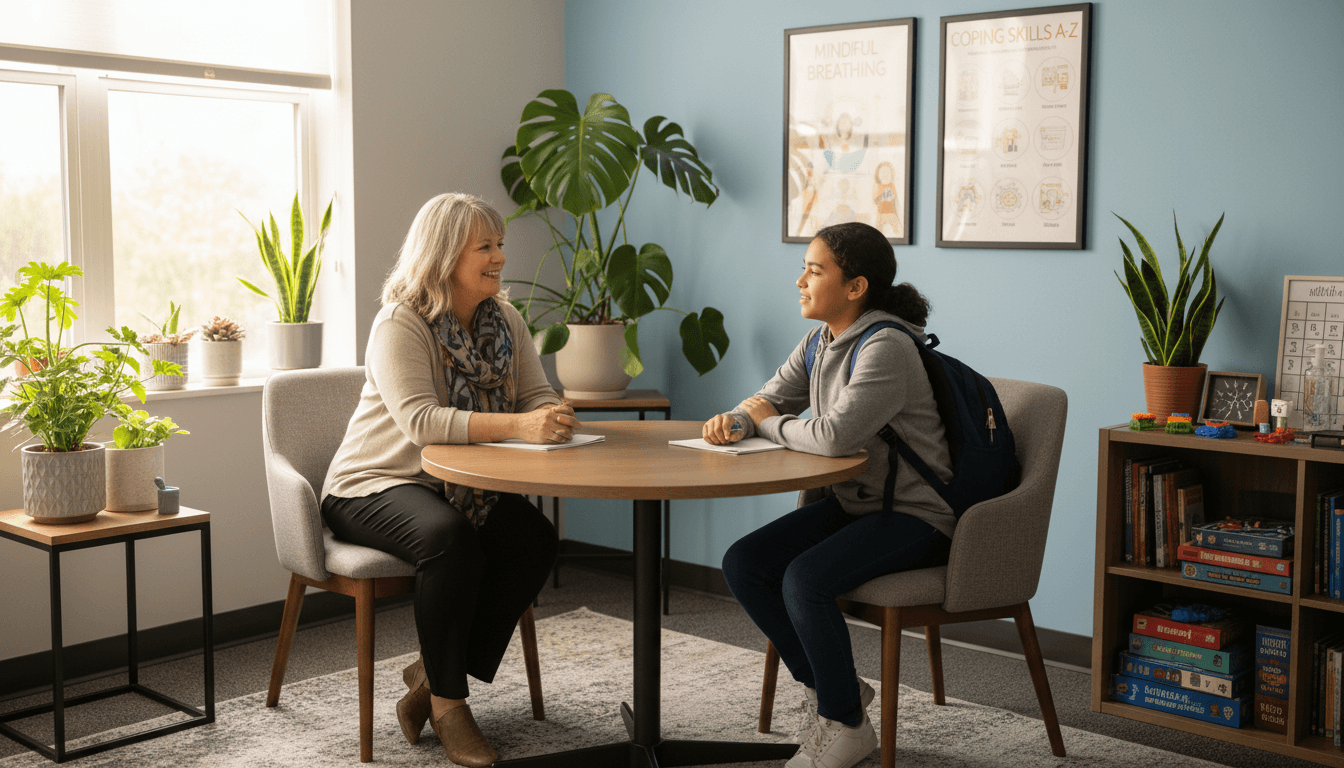
School Counselor Student Motivation Newsletter for Families
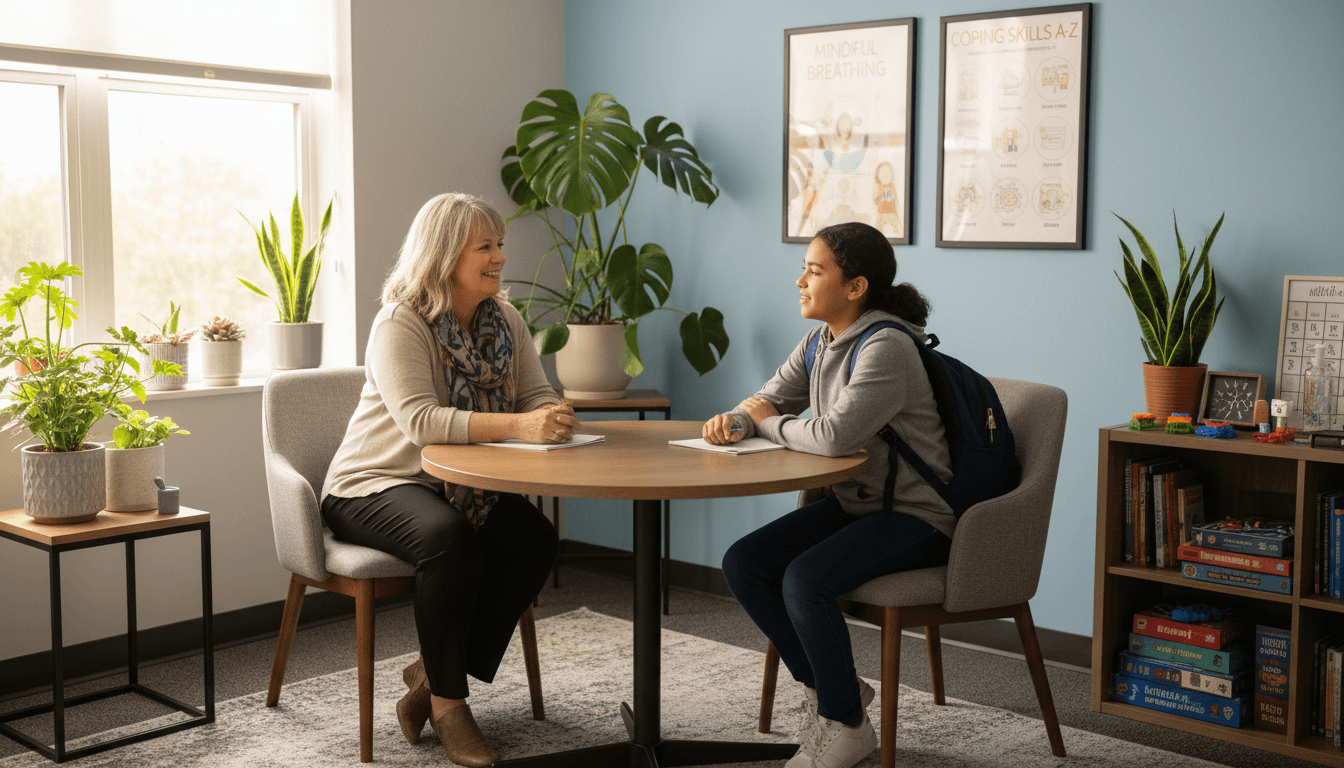
Motivation is not a personality trait. It is not something students have or do not have. It responds to conditions. When families understand what those conditions are, they can create environments at home that work with motivation rather than against it. That is the job of this newsletter.
Name the most common reasons students disengage
Start by listing the real causes of low motivation, without blame. The work is too hard and the student has stopped trying to avoid appearing incapable. The work is too easy and boredom has set in. There is no visible connection between school and anything the student values. A social difficulty or family stress is taking up the cognitive and emotional space that learning would otherwise occupy. Different causes need different responses, and families who can identify the right one are in a much better position.
Explain the difference between effort praise and outcome praise
Research on motivation consistently finds that students praised for their effort and strategy, "I can see you worked through that problem even when it was hard," sustain motivation better than students praised for their intelligence or results. Outcome praise creates anxiety about performance. Effort praise builds belief that working harder produces growth.
Give families specific language to try. "What did you try when you got stuck?" is more useful than "Good job." It treats thinking as something to be curious about.
Help families connect school to student interests
A student who loves video games can approach history through the lens of civilization-building strategy. A student who cares about animals can approach chemistry through the chemistry of veterinary medicine. These connections are not always obvious to students or families, but asking "where does this show up in something you already care about?" is a conversation that can shift a student's relationship to a subject.
Recommend small wins
Motivation follows success. Students who feel perpetually behind or incapable stop trying because trying feels futile. At home, families can create conditions for small wins: breaking large tasks into steps that can be completed, celebrating completion, and making the next step visible before stopping. The momentum of finishing something carries into the next attempt.
Invite families to reach out early
Disengagement that goes unaddressed often becomes a chronic pattern. Tell families that if their child has been consistently resistant to school for more than two to three weeks, a brief conversation with the counselor is worth having early. Early intervention is more effective than waiting until the pattern is entrenched.
Get one newsletter idea every week.
Free. For teachers. No spam.
Frequently asked questions
Why do students lose motivation and how should a newsletter address this?
Motivation drops for specific reasons: the work feels too hard or too easy, students do not see a connection between school and anything they care about, they have experienced repeated failure, or they are dealing with something outside school that is consuming their attention. The newsletter should help families identify which situation applies to their child.
How should families respond when a student says they do not care about school?
Avoid arguing about whether they should care. Instead, ask what would have to change for school to feel more worthwhile to them. That question opens a real conversation. Students who feel heard are more open to engagement strategies than those who feel lectured.
What role does autonomy play in student motivation?
Students who have some choice in how they work, what they study, or how they demonstrate understanding are consistently more motivated than those who operate in fully prescribed systems. The newsletter can help families support autonomy at home: letting students choose the order of their homework, their study location, or the format of a review session.
Should the newsletter address extrinsic rewards like grades and praise?
Yes, carefully. Praise focused on effort and process builds motivation. Praise focused only on outcomes can undermine it. Grades are external measures. The research on motivation consistently shows that intrinsic interest outlasts external reward. Help families shift language toward effort, growth, and curiosity.
How does Daystage help school counselors send motivation-focused newsletters to families?
Daystage lets counselors send thoughtful, research-backed newsletters with links to parent-friendly resources on motivation and engagement, reaching families before disengagement becomes a larger problem.

Adi Ackerman
Author
Adi Ackerman is a former classroom teacher and curriculum writer with 8 years in K-8 schools. She writes about school communication, parent engagement, and what actually works in real classrooms.
More for School Counselors
Ready to send your first newsletter?
3 newsletters free. No credit card. First one ready in under 5 minutes.
Get started free