
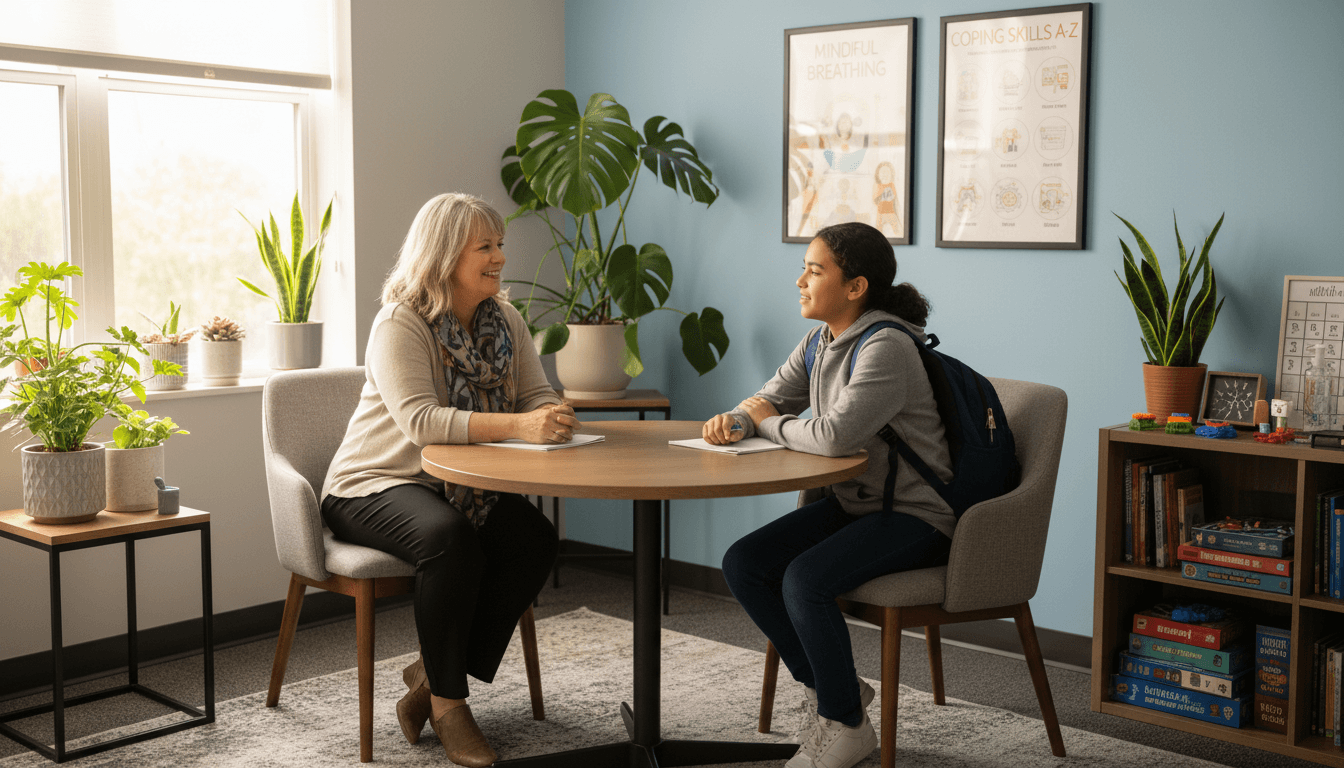
School Counselor Self-Care Resources Newsletter for Families
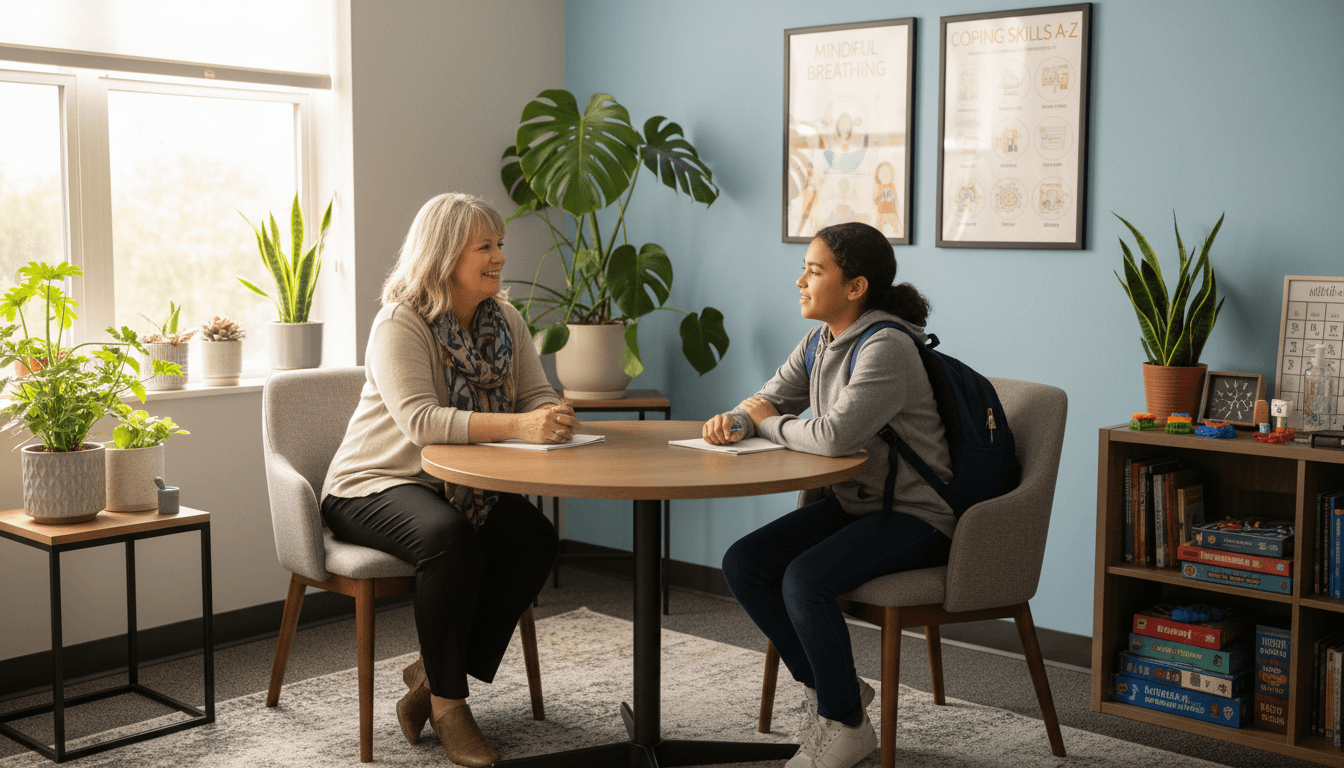
Self-care is one of those terms that has been said so often it has started to feel empty. Your newsletter can bring it back to something useful by being specific: concrete techniques, real tools, and honest guidance about when self-care is enough and when it is not.
Start with what students are already dealing with
Name the stressors that are present at your school right now. Testing season. Social drama. A hard semester. Families who recognize their child's situation in the first paragraph are more engaged with everything that follows. Generic wellness messaging does not land the way specific, timely language does.
Share two or three specific techniques
Choose techniques that students can use without any equipment or special setting. Box breathing: inhale for four counts, hold for four, exhale for four, hold for four. Grounding: name five things you can see, four you can touch, three you can hear. Progressive muscle relaxation before bed. Give the technique by name and walk through it in two or three sentences so families can actually try it with their child.
Connect physical habits to emotional health
Sleep, movement, and nutrition are self-care. They are not soft-skill suggestions. A student who consistently gets less than eight hours of sleep is operating with impaired emotional regulation, regardless of any coping skill they have been taught. Include one sentence about the physical basics as the foundation of everything else.
Name the school resources available
Tell families what the school offers: a calm-down corner in the classroom, a sensory room, a pass to visit the counselor's office, a mindfulness program during advisory. Students who know these resources exist are more likely to use them. Families who know they exist can encourage use without pushing.
Tell families when to escalate
Self-care strategies help students manage normal stress. They do not address anxiety disorders, depression, trauma responses, or chronic stress from difficult home circumstances. Give families a clear signal: if these strategies are not helping after two weeks, or if the difficulty is severe, contact the counselor or a mental health professional. Knowing when to ask for more is part of taking care of yourself.
Get one newsletter idea every week.
Free. For teachers. No spam.
Frequently asked questions
What self-care resources should a school counselor share with families?
Breathing and grounding techniques students can use during stress, age-appropriate sleep hygiene guidance, movement and exercise habits that support mood, journaling or creative expression as emotional outlets, and any school-based resources like a calm-down corner or mindfulness program.
How do you frame self-care in a newsletter without it sounding like a lecture?
Keep it practical and specific. Instead of 'encourage your child to practice self-care,' try 'here are two things your child can do tonight if they are feeling overwhelmed.' Concrete, actionable language is more useful and less preachy than general wellness encouragement.
Should the newsletter address what to do if self-care is not enough?
Yes. Include a clear path: if your child's stress, anxiety, or mood has been consistently difficult for more than two weeks, contact the school counselor or talk to your pediatrician. Self-care is not a substitute for professional support when professional support is what is needed.
Can the school counselor newsletter include self-care for parents too?
Yes, briefly. Parent wellbeing directly affects student wellbeing. One or two sentences acknowledging that adults also need to manage stress, and a single practical suggestion, normalizes the conversation and makes the newsletter feel relevant to the whole family.
How does Daystage help school counselors share self-care resources with families?
Daystage lets counselors send well-formatted newsletters with links to videos, printable tools, and external resources so families have practical self-care support at their fingertips.

Adi Ackerman
Author
Adi Ackerman is a former classroom teacher and curriculum writer with 8 years in K-8 schools. She writes about school communication, parent engagement, and what actually works in real classrooms.
More for School Counselors
Ready to send your first newsletter?
3 newsletters free. No credit card. First one ready in under 5 minutes.
Get started free