
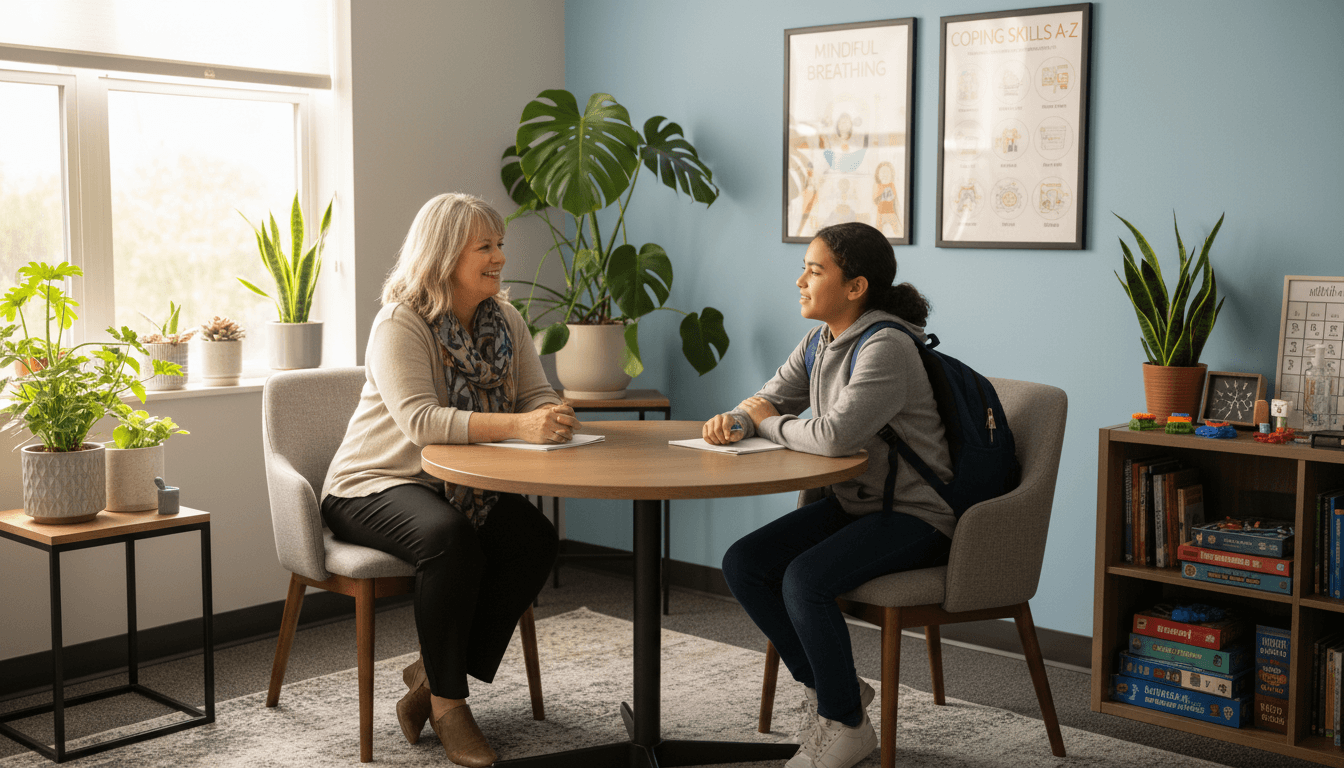
School Counselor Social Skills Group Newsletter: What Parents Need to Know
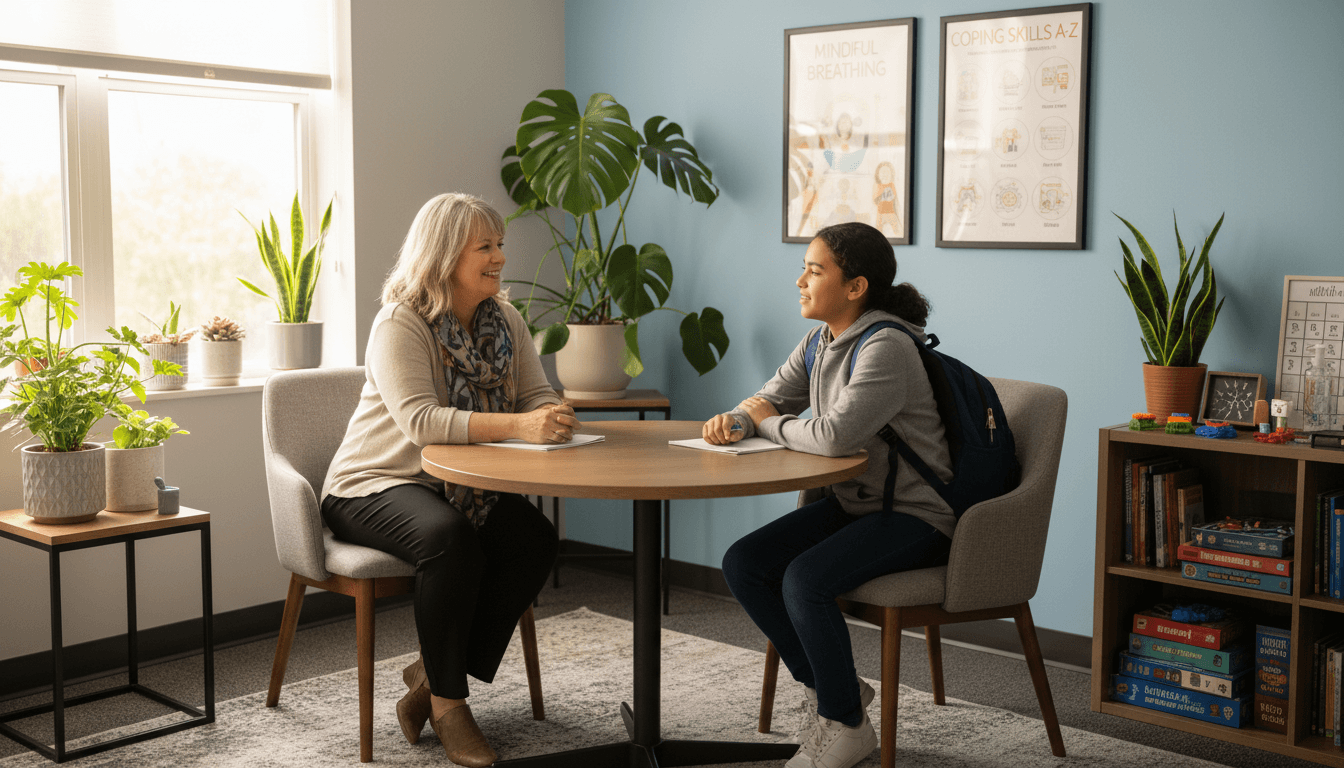
Social skills groups give students a structured place to practice skills they often struggle with: starting conversations, managing conflict, reading social cues. The work that happens in a twenty-minute group session is more effective when families know what is being practiced and can reinforce it in the everyday moments at home.
Explain What the Group Is and Why It Works
Many families assume social skills are something children either have or do not. A newsletter that explains that social skills can be explicitly taught and practiced helps families understand why the group exists and why their child was invited to participate.
"Social skills are learned, not fixed. Just like reading or math, many students benefit from targeted practice. This group gives students a low-stakes setting to try out specific strategies and get feedback before using them in real situations."
Name What Skills Are Being Focused on This Cycle
Be specific. "This cycle, the group is focused on starting conversations with peers: how to approach someone, what to say in the first few seconds, and how to read whether they want to keep talking." Specific topics give families something to watch for and reinforce. "Starting conversations" is more useful than "social interaction skills."
Give Families One Practice Activity
The bridge between the group and home is a specific activity or prompt families can use. "Try asking your child to start a conversation with someone they do not know well this week. It could be a neighbor, a store clerk, or a new kid at the park. Ask them afterward: how did you start it, and how did it go?" That is the kind of assignment families can actually do.
Address Confidentiality Proactively
Families often want to know what their child shared in the group. Explain briefly that what students share with each other in the group stays in the group, just as what they share individually with the counselor does. Families receive updates on the skills being practiced, not on the specific conversations that happened.
Invite Feedback on What Families Are Seeing at Home
If a family notices their child trying a strategy from the group at home, or if they notice a specific situation that seems to be challenging, that information is useful to the counselor. Close the newsletter with a direct invitation to share. The group is stronger when the counselor and the family are seeing the same child from different angles.
Get one newsletter idea every week.
Free. For teachers. No spam.
Frequently asked questions
What should a social skills group newsletter say to families?
Explain what a social skills group is, what skills the group is focused on this cycle, how often it meets, what students are expected to practice, and how families can support those skills at home. Include a note about confidentiality so families understand that while they receive updates about topics, individual conversations in the group are private.
How do you introduce a social skills group to families without stigmatizing participation?
Frame participation as skill-building for students who are ready to practice specific social strategies, not as a program for students with problems. 'Many students benefit from a small group setting to practice starting conversations, reading social cues, or working through conflict. This group provides that practice.' That framing is accurate and non-stigmatizing.
Should families know which specific students are in the social skills group?
No. The group's participants are confidential. Families of participating students are informed that their own child is in the group, but the newsletter should not identify other members. General newsletters about the program that go to all families should not indicate who participates.
What social skills topics are most commonly addressed in these groups?
Starting and maintaining conversations, reading facial expressions and body language, managing frustration in group settings, handling disagreements with peers, taking turns in conversations, and recognizing when a peer wants to end an interaction. The specific focus depends on the students' age and needs.
How does Daystage support school counselors communicating about small group programs?
Daystage lets counselors send targeted newsletters to the specific families whose children are in a group, so program communication is direct and relevant rather than broadcast to the entire school.

Adi Ackerman
Author
Adi Ackerman is a former classroom teacher and curriculum writer with 8 years in K-8 schools. She writes about school communication, parent engagement, and what actually works in real classrooms.
More for School Counselors
Ready to send your first newsletter?
3 newsletters free. No credit card. First one ready in under 5 minutes.
Get started free