
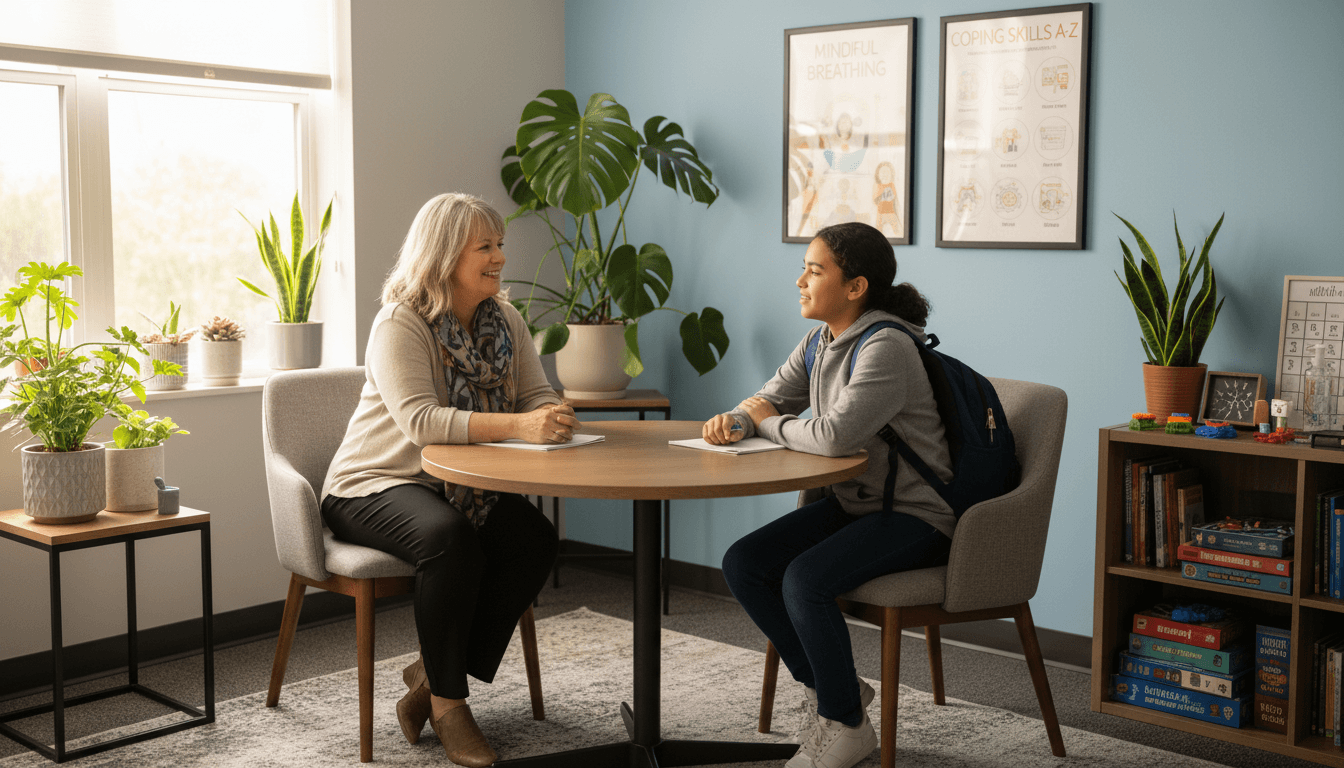
School Counselor Resilience Newsletter for Families
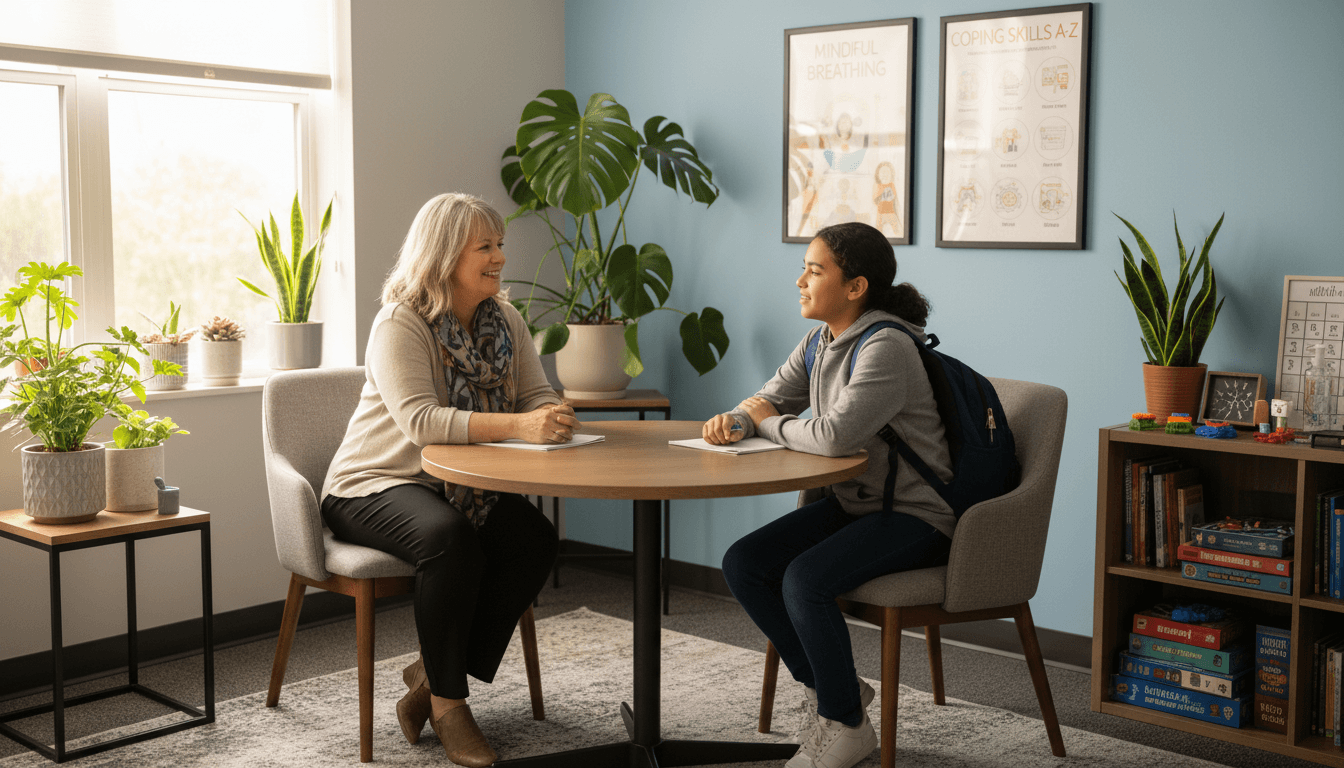
Resilience is built in the moments that are hard, not in the moments that are easy. Families who understand this make different decisions about when to step in and when to let students work through difficulty. Your newsletter gives families the framework to be appropriately supportive rather than either overprotective or uninvolved.
Define resilience correctly
Resilience is not toughness. It is not refusing to struggle. It is the ability to be knocked down by something hard and to get back up with what you learned from the fall. Students who develop resilience do not feel less pain. They develop more confidence in their ability to handle pain when it arrives. This distinction matters because it means the goal is not to minimize hardship but to ensure students have the support and resources to navigate it.
Explain the role of productive struggle
Students who are protected from all frustration and failure do not develop the internal evidence that they can handle hard things. The student who worked through a difficult problem and solved it knows something about themselves that the student who was always helped immediately does not. Tell families that sitting with a struggling child long enough for them to make progress, rather than immediately providing the answer, is one of the most powerful things they can do.
Name what resilience looks like at different ages
For young children, resilience looks like trying a hard puzzle again after giving up the first time. For middle schoolers, it looks like recovering from a social rejection and re-engaging with peers. For high school students, it looks like responding to a college denial with a revised plan rather than collapse. Give families an example from their child's age group so the concept is concrete.
Help families calibrate their support
The goal is not zero involvement. It is calibrated involvement. Families who provide emotional support when students are distressed, acknowledge the difficulty without fixing it, and ask "what do you think you could try?" before offering their own solutions are building something. Families who immediately remove obstacles, blame others, or solve problems for students are, with the best intentions, doing the opposite.
Connect to the counselor's work
Tell families that resilience is one of the explicit goals of the counseling program. In classroom guidance, students learn coping strategies and growth mindset skills. In individual sessions, students work on the specific challenges that are testing their resilience right now. Families who want to support this work at home can talk to the counselor about what to emphasize and what language to use.
Get one newsletter idea every week.
Free. For teachers. No spam.
Frequently asked questions
What is resilience and how should a counselor newsletter define it?
Resilience is not the absence of difficulty. It is the ability to recover from setbacks, adapt to changed circumstances, and keep going in the face of challenge. It develops through experiencing manageable adversity and getting through it, not through being protected from difficulty.
How does overprotection undermine resilience development?
Children who are consistently shielded from frustration, failure, and disappointment never develop the evidence that they can handle hard things. The experience of getting through something difficult is what builds the belief that you can. Removing every obstacle removes that evidence.
What conditions at home support resilience?
Secure, warm relationships with at least one adult who the student trusts. Clear, consistent expectations with natural consequences for choices. Opportunities to attempt challenging tasks and recover from failure. Adult modeling of how to handle difficulty without catastrophizing. Recognition of effort and growth, not just achievement.
How do you distinguish between a challenge that builds resilience and one that is simply harmful?
The test is whether the difficulty is within the student's capacity to handle with appropriate support. A hard homework assignment builds resilience. Chronic bullying does not. A disappointment about a grade can be a growth opportunity. A persistent, unsupported learning barrier is not. Adults who know their student can calibrate this.
How does Daystage help counselors share resilience-building guidance with families?
Daystage lets counselors send proactive resilience newsletters throughout the year, not only during difficult periods, building a consistent family culture around the growth that comes from challenge.

Adi Ackerman
Author
Adi Ackerman is a former classroom teacher and curriculum writer with 8 years in K-8 schools. She writes about school communication, parent engagement, and what actually works in real classrooms.
More for School Counselors
Ready to send your first newsletter?
3 newsletters free. No credit card. First one ready in under 5 minutes.
Get started free