
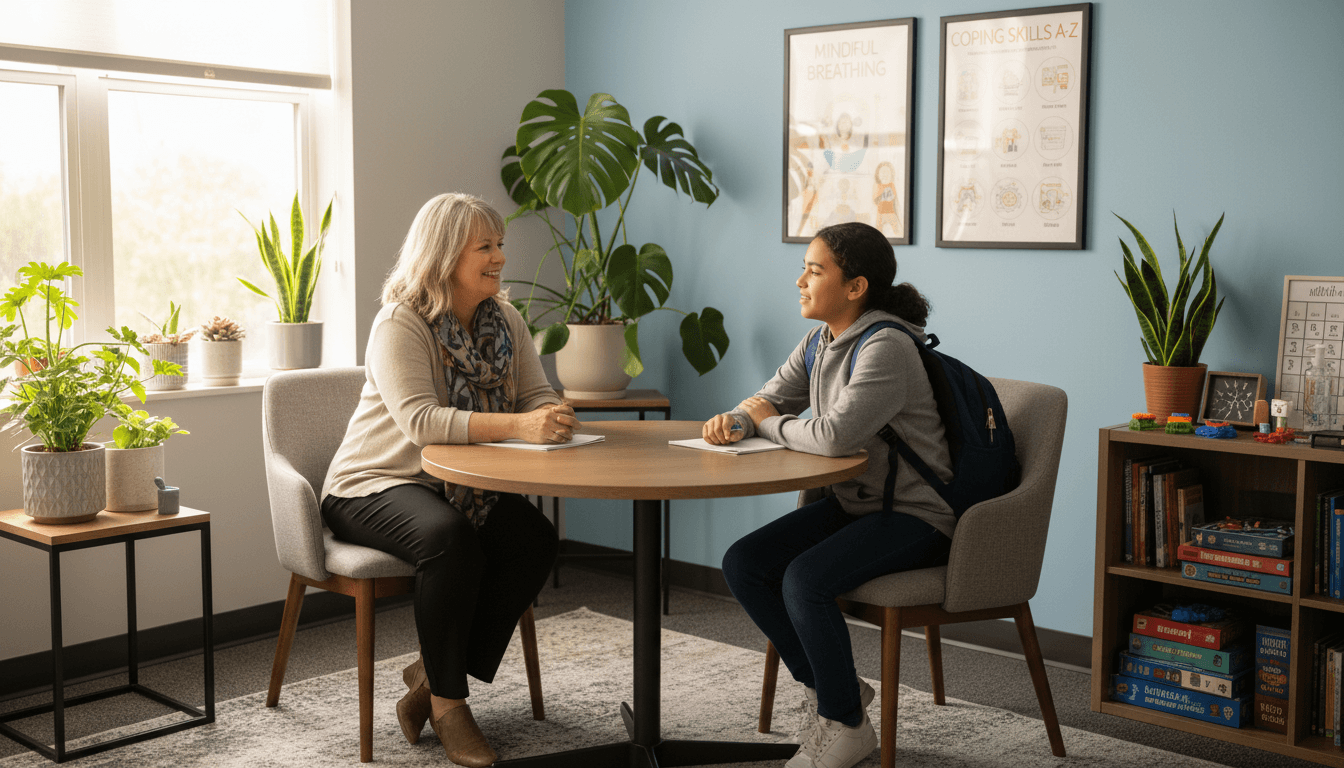
School Counselor Sleep Health Newsletter for Families
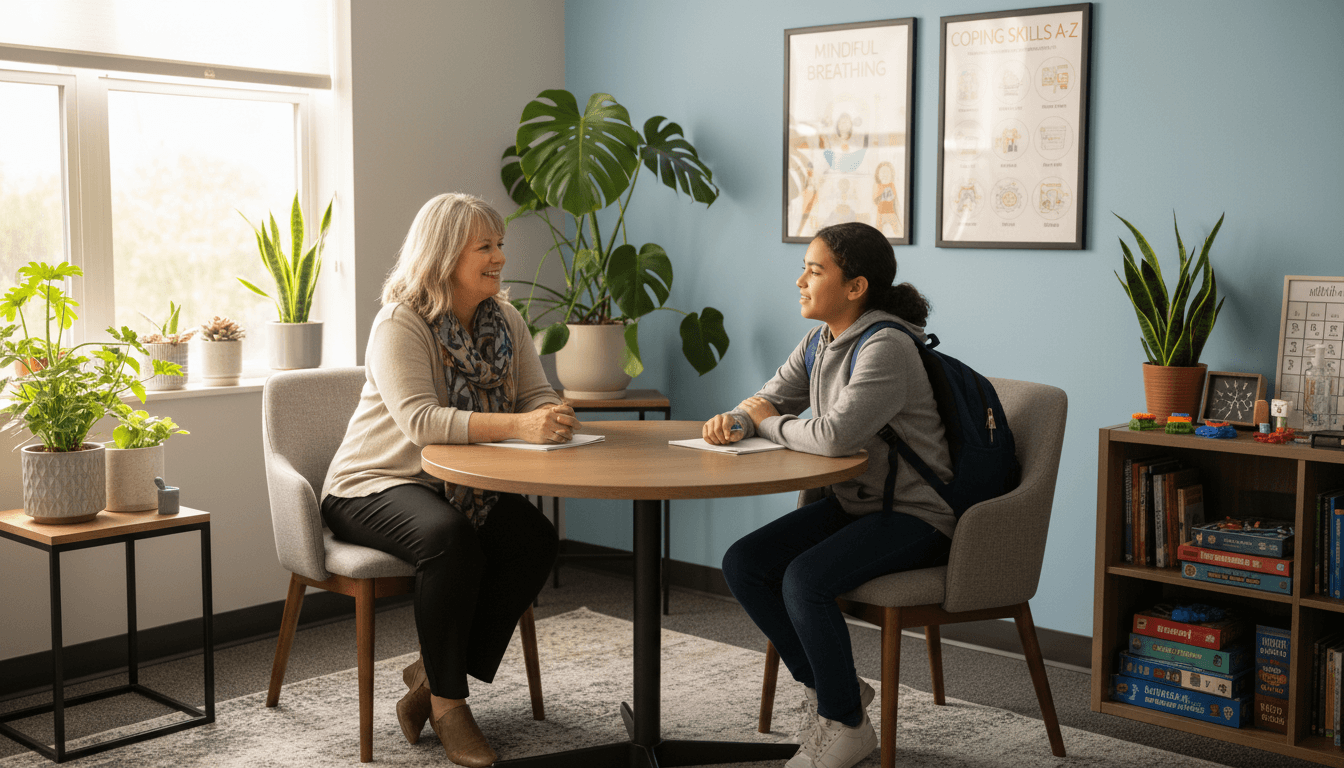
Sleep deprivation is one of the most common and least discussed contributors to student academic difficulty and mental health challenges. A student running on six hours of sleep has measurably impaired memory, attention, and emotional regulation. Your newsletter can help families understand what adequate sleep actually looks like and what they can do to protect it.
Lead with the numbers
Give families the recommended sleep totals by age and the gap between what is recommended and what most students get. Nine to twelve hours for elementary and middle school. Eight to ten hours for high school. Most teenagers get six to seven on school nights. That gap is not a minor inconvenience. It is chronic impairment that affects everything from test performance to emotional stability. State this plainly.
Connect sleep to outcomes families care about
Grades, behavior, mood, and mental health all connect to sleep. Sleep is when the brain consolidates what it learned during the day. A student who studies until midnight and sleeps five hours has not made a good trade. The information encoded during the day needs the sleep to stick. Families who understand this make different decisions about late-night studying and device use.
Name the barriers and give specific solutions
The most common barriers are screens in the bedroom, variable sleep schedules on weekends, caffeine in the afternoon, and academic stress that makes it hard to wind down. For each barrier, give one specific recommendation. Phone charging outside the bedroom by 9 pm. Waking up no more than ninety minutes later on weekends than on school days. No caffeinated drinks after 2 pm. A fifteen-minute wind-down routine before bed that does not involve a screen.
Address the teenage circadian shift
Tell families something genuinely useful: adolescent biology shifts toward later sleep and wake times. A teenager who cannot fall asleep until 11 pm is not being difficult. Their melatonin release, controlled by biological development, has shifted to a later window. This does not mean there is nothing families can do. It means that the most effective approaches focus on wake time consistency, evening light exposure reduction, and caffeine management rather than simply commanding an earlier bedtime.
Recommend when to seek additional help
If a student consistently cannot fall asleep, stays asleep, or wake up refreshed despite good sleep hygiene, mention that a conversation with the pediatrician is appropriate. Sleep disorders, anxiety, and depression all affect sleep in ways that go beyond what household routines can address. The counselor is also available to help students who are dealing with stress or worry that is keeping them awake.
Get one newsletter idea every week.
Free. For teachers. No spam.
Frequently asked questions
How much sleep do students actually need at different ages?
The American Academy of Sleep Medicine recommends 9 to 12 hours for children ages 6 to 12, and 8 to 10 hours for teenagers ages 13 to 18. Most middle and high school students are sleeping 6 to 7 hours on school nights, which is clinically significant chronic sleep deprivation.
What are the school-related consequences of insufficient sleep?
Reduced working memory, impaired attention, lower test performance, increased emotional reactivity, greater difficulty managing frustration, and higher rates of anxiety and depressive symptoms. Sleep deprivation looks like a lot of other problems, which is why it is often missed.
How should the newsletter address the phone and screen issue without alienating families?
Directly but without moralizing. The research is clear: screen use before bed delays sleep onset and reduces sleep quality. The newsletter can name this fact and give a specific recommendation, phone charging outside the bedroom at a set time, without framing it as a battle families must win.
What should families do if their teenager consistently cannot fall asleep at a reasonable hour?
Understand that adolescent circadian rhythms shift biologically toward later sleep and wake times. This is not rebellion or willful behavior. For students who genuinely cannot fall asleep until 11 pm or later, focus on consistent wake time, limiting caffeine after noon, and reducing stimulating activities in the evening.
How does Daystage help school counselors share sleep health guidance with families?
Daystage lets counselors send timely sleep newsletters before high-stress seasons like finals and standardized testing, when sleep is most important and families most need practical guidance.

Adi Ackerman
Author
Adi Ackerman is a former classroom teacher and curriculum writer with 8 years in K-8 schools. She writes about school communication, parent engagement, and what actually works in real classrooms.
More for School Counselors
Ready to send your first newsletter?
3 newsletters free. No credit card. First one ready in under 5 minutes.
Get started free