
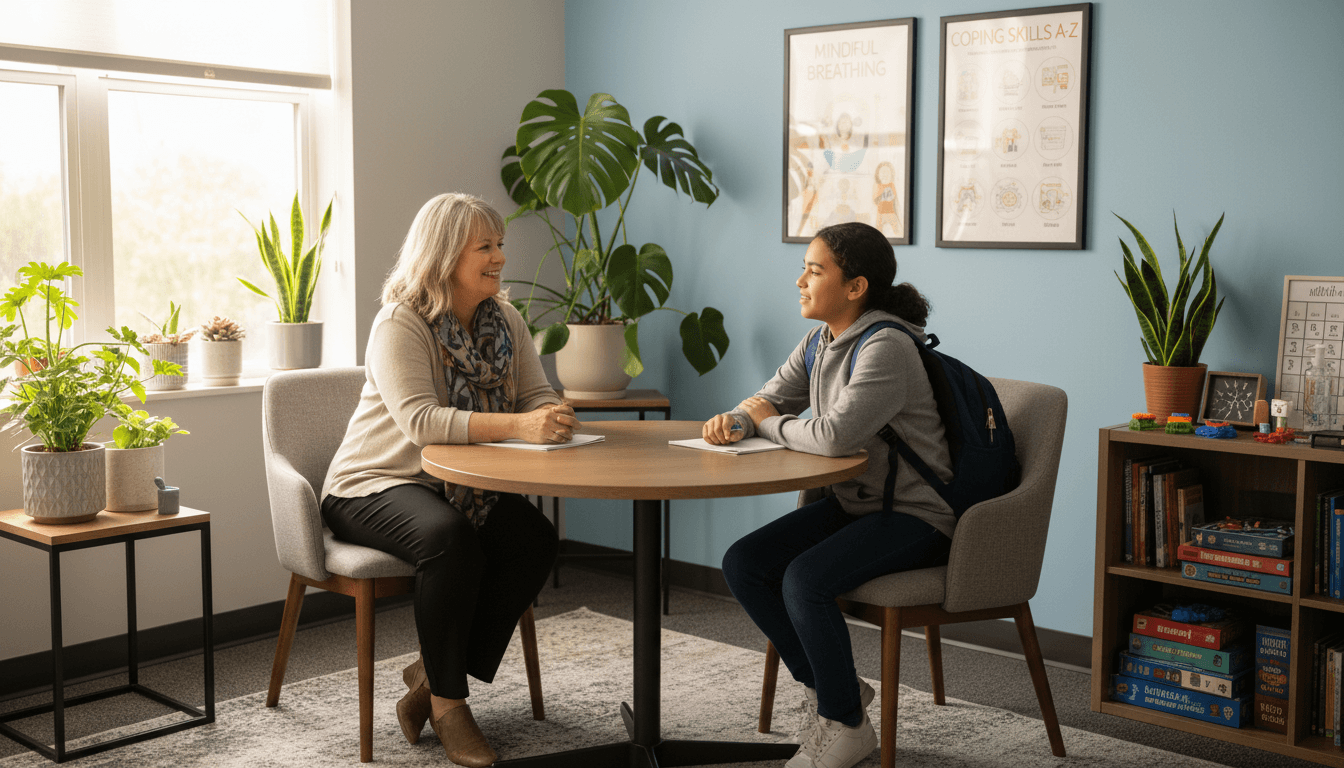
Student Anxiety Newsletter from School Counselor to Parents
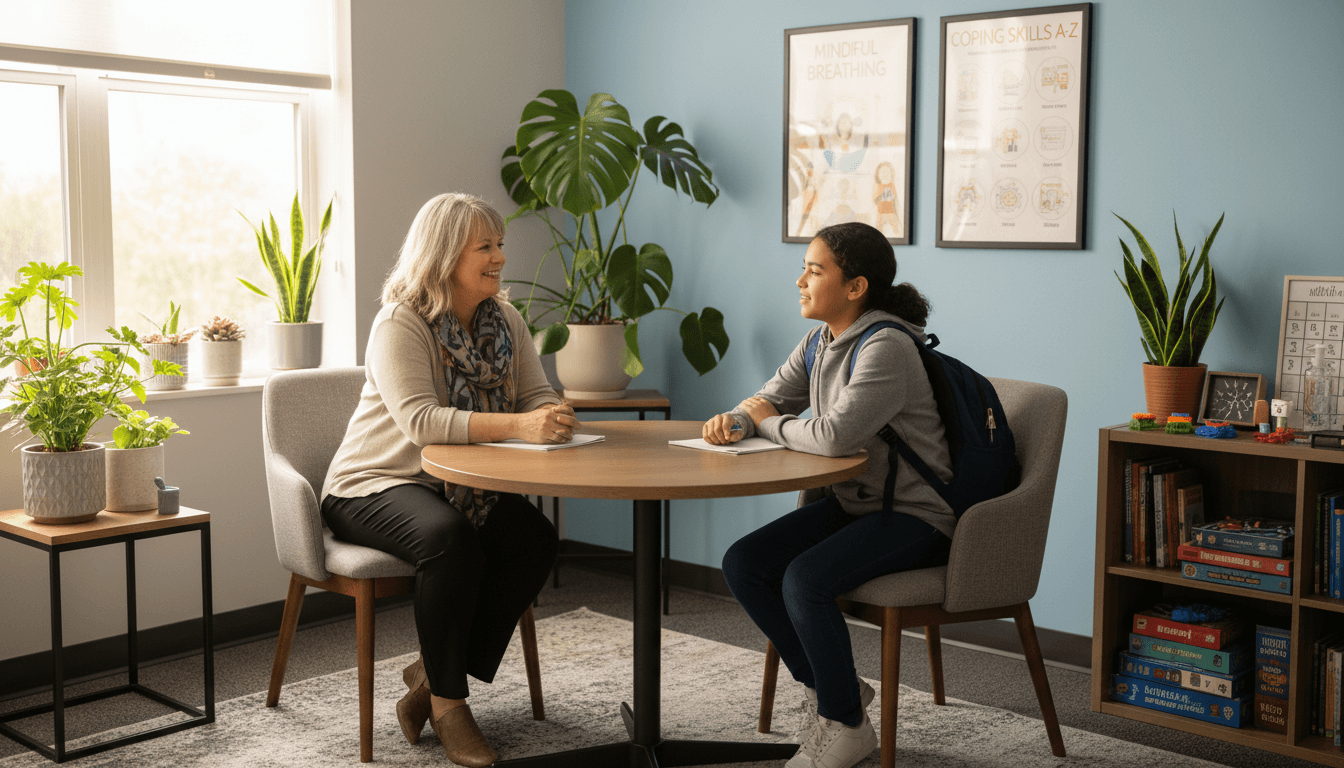
Anxiety is the most common mental health concern counselors see in school-age students, and it is also one of the least well-understood by families. Parents often describe anxious behavior as being dramatic, stubborn, or difficult. They do not always recognize worry as the driver. A newsletter that helps families see anxiety clearly is one of the most useful things you can put in their inbox.
Here is what to include and how to write it without alarming them.
What school anxiety actually looks like
Families expect anxiety to look like a child who says "I am worried." It often does not. School anxiety can look like stomachaches every Monday morning, refusal to go to a specific class, meltdowns before a test, clinging behavior at drop-off, or a child who needs repeated reassurance about unlikely scenarios.
Describe the behaviors, not just the feeling. When parents recognize their child in the description, they are far more likely to read the rest of your newsletter and reach out for support.
Common school triggers worth naming
Standardized tests, oral presentations, group projects with unpredictable social dynamics, transitions between activities, lunch and recess at lower grades, and any new or unfamiliar situation are the most common anxiety triggers at school.
Naming these specifically is more useful than a general statement about anxiety. "If your child complains of stomachaches on the mornings of PE or on days with a substitute teacher, that may be anxiety about the unpredictable social situation, not a physical illness" gives parents something concrete to work with.
What helps at home
Give families three things they can actually do. First: name the feeling without judgment. "It sounds like you are feeling nervous about the test. That makes sense." Second: help the child identify what specifically feels threatening and whether it is likely. Third: encourage participation rather than avoidance, because avoidance makes anxiety stronger over time.
You do not need to turn your newsletter into a therapy guide. Three specific actions that parents can try this week is more useful than a comprehensive framework they will not remember.
What makes anxiety worse
Excessive reassurance, allowing avoidance of anxiety-provoking situations, and solving problems for the child rather than with them are the three things that accidentally reinforce anxiety. Parents do all three out of love and have no idea they are making the anxiety stronger. This is the information they most need from you and the part that is hardest to find on their own.
When to seek more support
Anxiety that is affecting school attendance, academic performance, or a student's ability to participate in activities they used to enjoy is anxiety that warrants more support than a parent can provide at home. Tell families this directly and tell them what the path looks like: contact you first, and you will help them figure out next steps.
A note on your own referral process
End the newsletter with your contact information and a clear description of how to request a counseling appointment for a student. Some families will read your anxiety newsletter and realize for the first time that what they are seeing at home has a name. Make it easy for them to take the next step.
Get one newsletter idea every week.
Free. For teachers. No spam.
Frequently asked questions
When is the right time to send an anxiety-focused newsletter from the school counselor?
Before high-pressure periods rather than during them. Send before midterms, before standardized testing week, before major transitions. Families who get guidance before the stress arrives are better prepared than families who get it while already in the middle of it.
What should a counselor newsletter about student anxiety include?
What anxiety looks like at this age and grade level, common school-specific triggers, what parents can do at home to help, what not to do that accidentally makes anxiety worse, and how to request support from the counselor. Cover all five and you have a complete newsletter.
How do you write about anxiety without making families feel like something is wrong with their child?
Normalize it as a common human experience while being clear that it exists on a spectrum. 'Many students experience anxiety at school, especially around tests and social situations. This is normal. When anxiety is frequent, intense, or starts affecting a student's ability to participate in school, that is when more support helps.'
What do parents often do that accidentally makes school anxiety worse?
Excessive reassurance is the most common one. When a parent repeatedly tells a child that everything will be fine, the child's brain learns to rely on the reassurance rather than developing confidence from experience. Brief acknowledgment followed by gentle encouragement tends to work better than lengthy comfort.
Can I use Daystage to send a counselor newsletter on anxiety to my entire caseload?
Daystage handles exactly this. You write your newsletter once, set your recipient list, and send. It works well for counselors with large caseloads who need to reach all families at once with consistent information. You can also track who opened the newsletter to identify families who may need a follow-up contact.

Adi Ackerman
Author
Adi Ackerman is a former classroom teacher and curriculum writer with 8 years in K-8 schools. She writes about school communication, parent engagement, and what actually works in real classrooms.
More for School Counselors
Ready to send your first newsletter?
3 newsletters free. No credit card. First one ready in under 5 minutes.
Get started free