
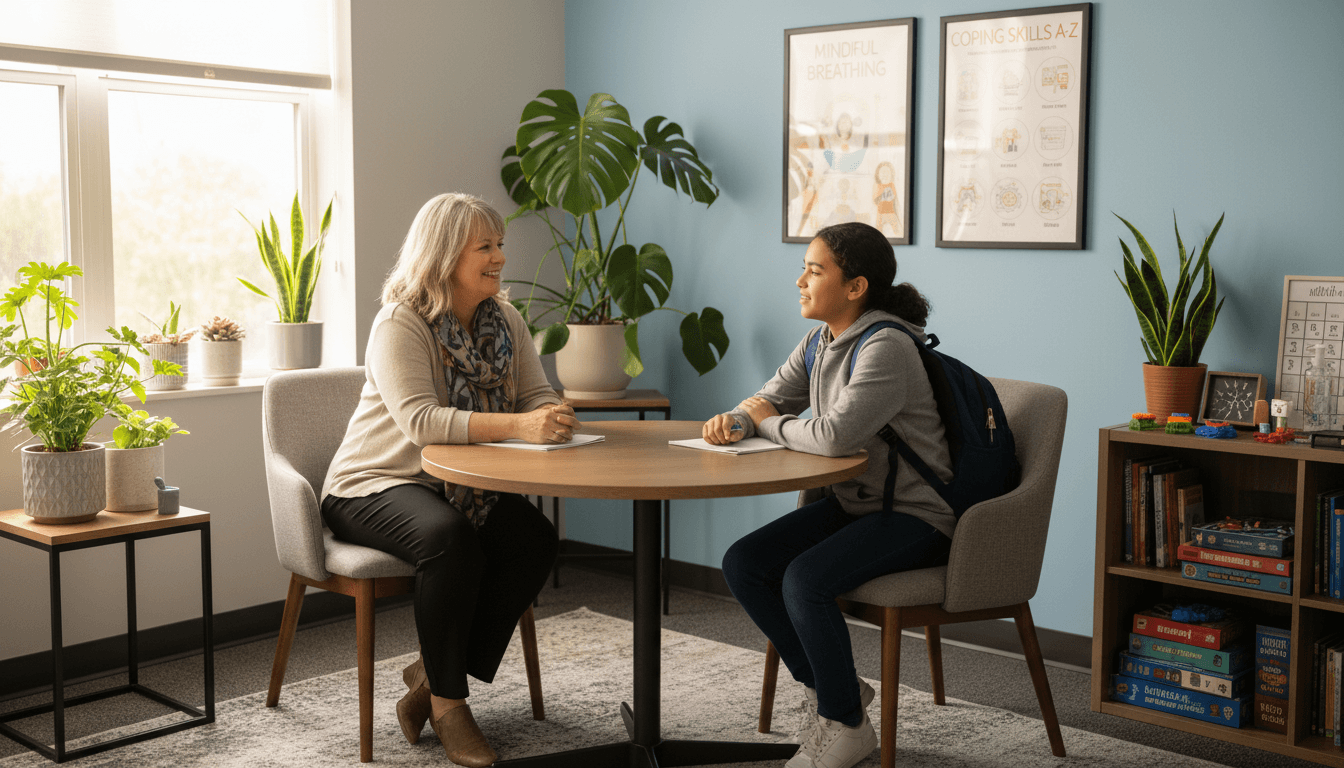
School Counselor Coping Skills Newsletter for Families
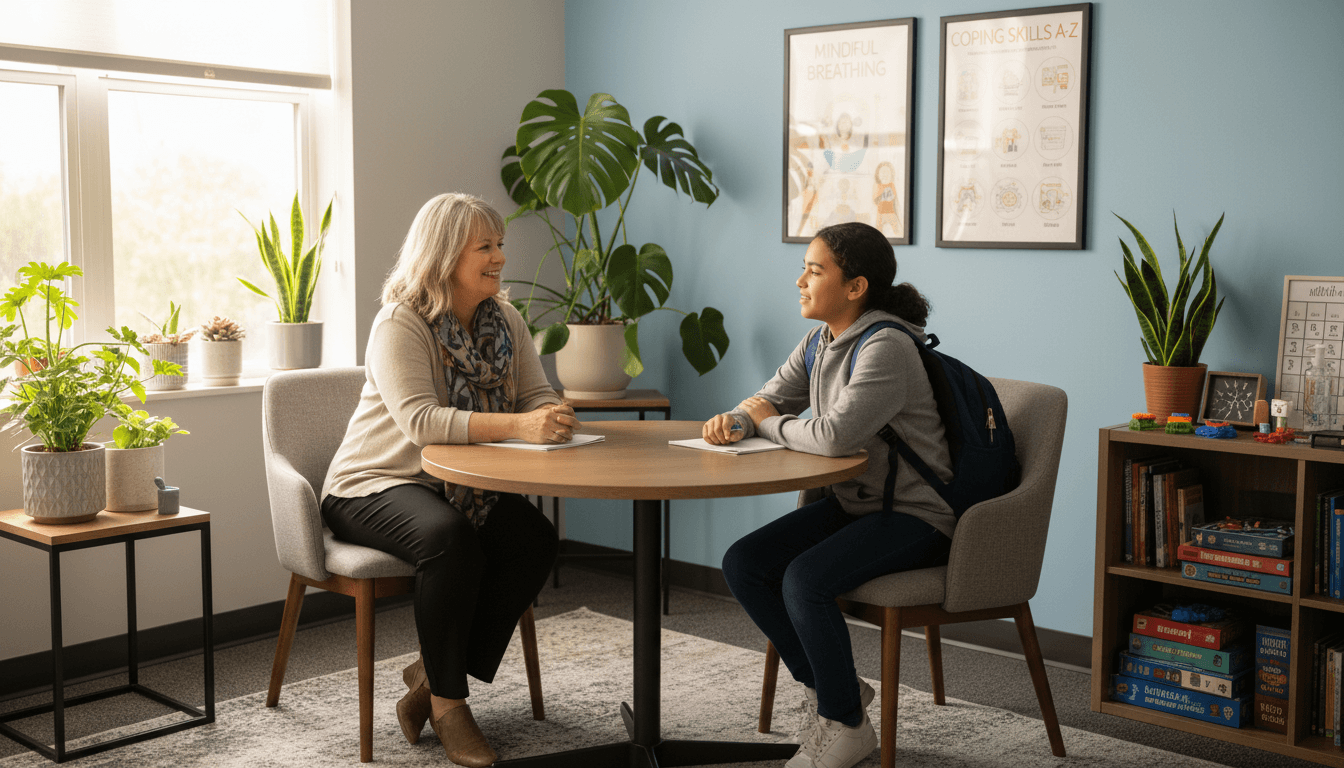
Coping is not something students have or do not have. It is something they practice. The range of strategies a student has access to when things are hard determines how they get through difficult moments at school. Families who understand what coping skills look like and how to support their development at home are active partners in building resilience.
Define the goal: flexible responses, not zero distress
The goal of coping is not to never feel bad. Distress is a normal part of a life that involves real challenges. The goal is to have a range of responses available when difficult feelings arrive, so that the feelings do not overwhelm the student or lead to behavior they later regret. A student with one coping strategy is fragile. A student with five has something to reach for no matter what kind of hard moment they are in.
Name specific coping strategies by type
Organize the strategies families can support into categories. Physical: going for a walk, doing jumping jacks, squeezing something, taking five deep breaths. Expressive: writing in a journal, drawing, playing music. Social: talking to a trusted adult or friend, texting a person who makes you feel safe. Cognitive: naming the feeling, reminding yourself this has happened before and you got through it, asking "what would I tell a friend in this situation?" One or two examples from each category is enough.
Teach families to validate before problem-solving
The most useful thing a family member can do when a student is distressed is to acknowledge the feeling before doing anything else. "That sounds really frustrating" or "I can see you are upset" is the right first move. Problem-solving, advice-giving, and reassurance come after, if they are needed at all. Students whose feelings are validated first become more capable of solving their own problems. Those who receive immediate advice often feel unheard and shut down.
Identify unhealthy coping without shaming
Some coping strategies feel helpful in the moment but create new problems: avoiding difficult tasks until the anxiety about them grows, using screens to numb rather than process, withdrawing from people who care. Name these patterns without judgment. Students who recognize their own unhealthy coping can start to replace it with strategies that work better.
Connect to counseling support
Tell families that the counselor teaches coping skills directly in classroom guidance and individual sessions. Students who want to build their coping toolbox can meet with the counselor. Families who want guidance on how to support a student who is struggling can also reach out. The counselor is a resource, not a last resort.
Get one newsletter idea every week.
Free. For teachers. No spam.
Frequently asked questions
What coping skills should a school counselor teach through a newsletter?
Both in-the-moment strategies for acute stress and longer-term practices that build resilience over time. In-the-moment: breathing techniques, grounding exercises, physical movement. Longer-term: journaling, talking to a trusted adult, regular physical activity, consistent sleep, creative expression.
How do you help families distinguish between healthy and unhealthy coping?
Healthy coping reduces distress without creating new problems. Unhealthy coping, avoidance, self-harm, substance use, excessive screen time, reduces distress in the moment but creates larger problems over time. The newsletter should name this distinction plainly and without shame.
How do you help families support coping at home without taking over?
Teach families to validate first, then problem-solve second, if at all. A child who comes home upset needs to feel heard before they can think about solutions. A parent who jumps immediately to fixing the problem misses the first and most important step. The newsletter can teach this sequence explicitly.
What coping skills are most effective for different age groups?
Young children need physical and sensory-based coping: squeezing a stress ball, a short walk, drawing feelings. Middle school students benefit from more cognitive strategies: naming the emotion, writing in a journal, talking to a friend. High school students can use all of these plus planning and problem-solving approaches.
How does Daystage help counselors send coping skills content to families?
Daystage makes it easy for counselors to send targeted coping skills newsletters at high-stress times of year and to include printable coping toolkits families can keep at home.

Adi Ackerman
Author
Adi Ackerman is a former classroom teacher and curriculum writer with 8 years in K-8 schools. She writes about school communication, parent engagement, and what actually works in real classrooms.
More for School Counselors
School Counselor Newsletter for Biracial and Multicultural Students: Supporting Identity and Belonging
School Counselors · 6 min read
School Counselor Friendship Skills Newsletter for Families
School Counselors · 5 min read
School Counselor Parent Communication Guide Newsletter
School Counselors · 5 min read
Ready to send your first newsletter?
3 newsletters free. No credit card. First one ready in under 5 minutes.
Get started free