
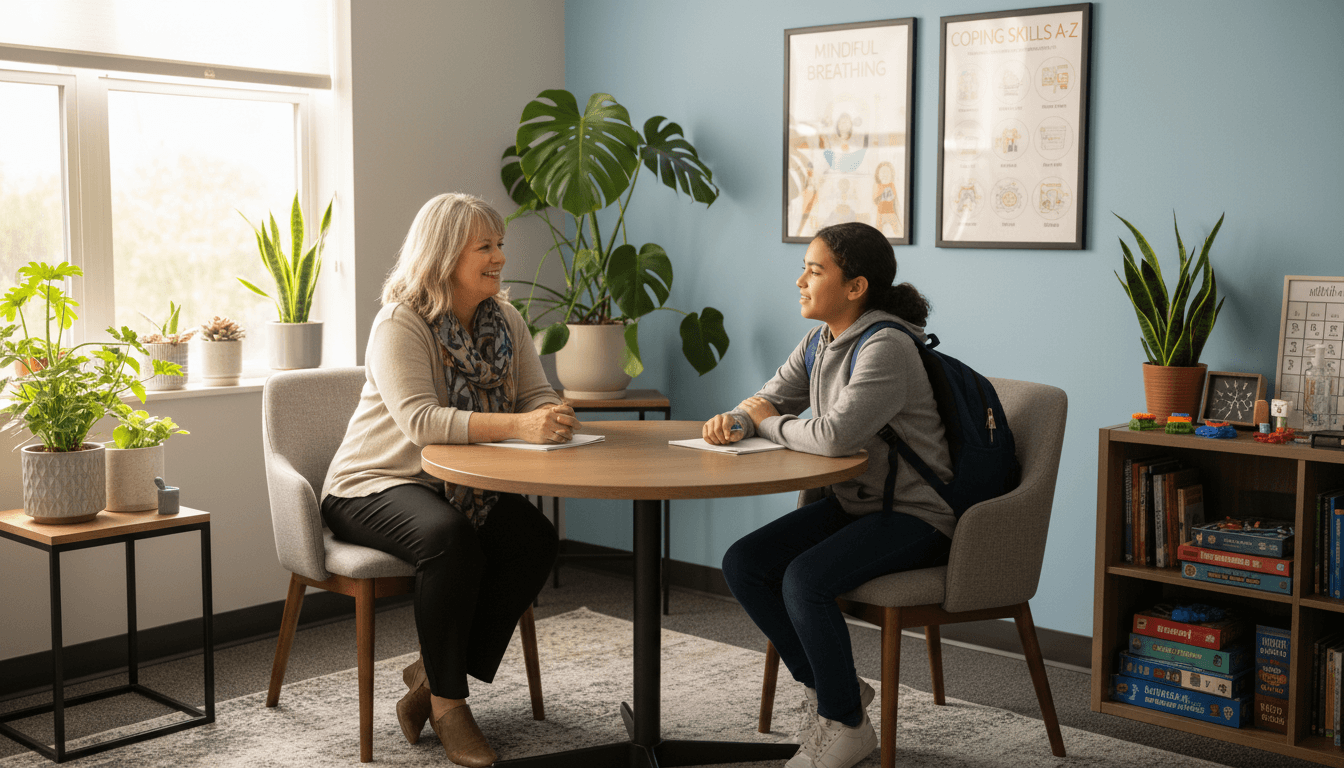
School Counselor Classroom Guidance Newsletter: Connecting Lessons to Home
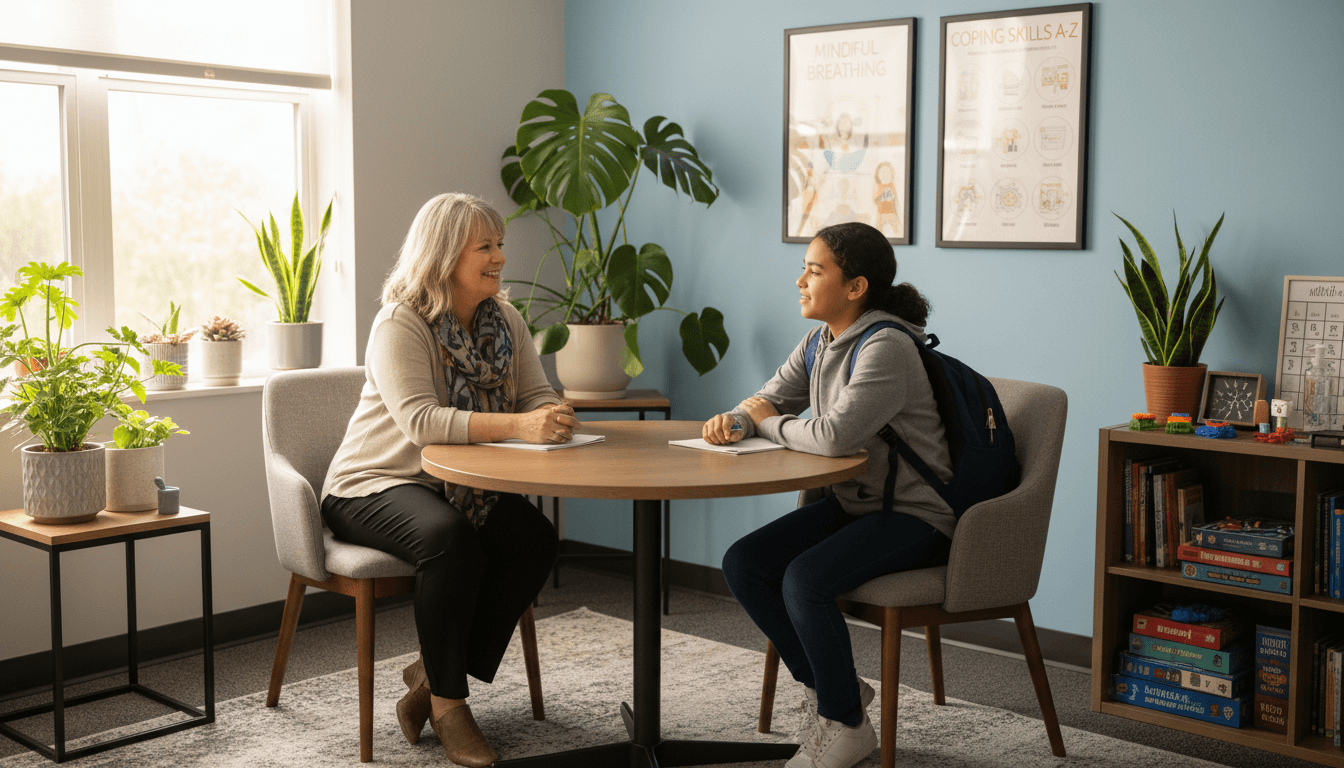
Classroom guidance lessons teach skills that get more traction at home when families know what was covered. A counselor who tells families what students learned and gives them one thing to do with it at home multiplies the impact of every lesson. That is the job of the classroom guidance newsletter.
Name the Lesson and the Skill Without Jargon
"This week students in grades three through five completed a lesson on managing disappointment. We practiced naming the feeling, deciding whether to react right away or take a pause, and what to say when something feels unfair." That is enough. Families do not need the theoretical framework. They need the practical summary.
Avoid professional language that families will not recognize: SEL competencies, cognitive reframing, emotional regulation scaffolding. Translate everything into the language families use at home.
Give One Concrete Home Practice Idea
The strongest guidance newsletters give families something they can do at dinner tonight. Not a curriculum assignment. A conversation starter, a question to ask, or a game to play that connects to the lesson.
"Try asking your child: 'Can you name five feelings you had today?' Then see if they can tell you where in their body they felt each one. This is the same activity they did in class." That is a usable suggestion. Families with young children especially benefit from this kind of connection.
Tell Families What Is Coming Next
A brief preview of the next guidance unit helps families follow along and prime their children. "Next month we will be doing a unit on problem-solving with friends and how to handle disagreements without losing the friendship." Families who know what is coming can reinforce the concept proactively.
Address Common Misconceptions About Classroom Guidance
Many families assume classroom guidance is only for students who are struggling. A newsletter that clarifies this helps. "Classroom guidance is for every student, not just students who have been referred to the counseling office. These lessons are about skills all of us use every day." That framing removes stigma and increases family engagement with the program.
Invite Families to Extend the Conversation
Close with a genuine invitation. If a family notices their child applying something from class at home, or if a topic comes up at dinner that relates to the lesson, you want to hear about it. "Feel free to email me or leave a note in the weekly folder if a conversation at home connects to what we covered. Those stories help me understand what is landing for students." That is the kind of two-way communication that makes a counseling program genuinely effective.
Get one newsletter idea every week.
Free. For teachers. No spam.
Frequently asked questions
What should a classroom guidance newsletter include?
Name the lesson topic, what students practiced or discussed, the main idea or skill they were introduced to, and one or two specific ways families can reinforce the skill at home. The bridge between school and home is what makes classroom guidance more effective than a single classroom session.
How often should school counselors send classroom guidance newsletters?
After each major guidance unit or series of lessons, not after every individual session. A newsletter that goes out four to six times per year, following significant lesson sequences, keeps families informed without over-communicating.
How do you describe a sensitive guidance topic in a newsletter without alarming families?
Name the topic directly with context. 'This week we talked about understanding our feelings when something unfair happens. Students practiced taking a breath and thinking before reacting.' That is accurate without being alarming. Describe the skill, not the triggering scenario.
Should parents opt students out of classroom guidance lessons?
Policies vary. Some districts allow opt-out for specific topics like personal safety or mental health. Your newsletter should note whether opt-out is available and how it works. Families who know the opt-out process and choose not to use it are making an informed choice, which is better than families who were not told the option existed.
How does Daystage help counselors communicate guidance lesson content to families?
Daystage lets school counselors send guidance newsletters directly to the families of students in each classroom, so the connection between what was taught at school and what families can reinforce at home is made consistently.

Adi Ackerman
Author
Adi Ackerman is a former classroom teacher and curriculum writer with 8 years in K-8 schools. She writes about school communication, parent engagement, and what actually works in real classrooms.
More for School Counselors
Ready to send your first newsletter?
3 newsletters free. No credit card. First one ready in under 5 minutes.
Get started free