
Minnesota School Counselor Newsletter Guide for K-12
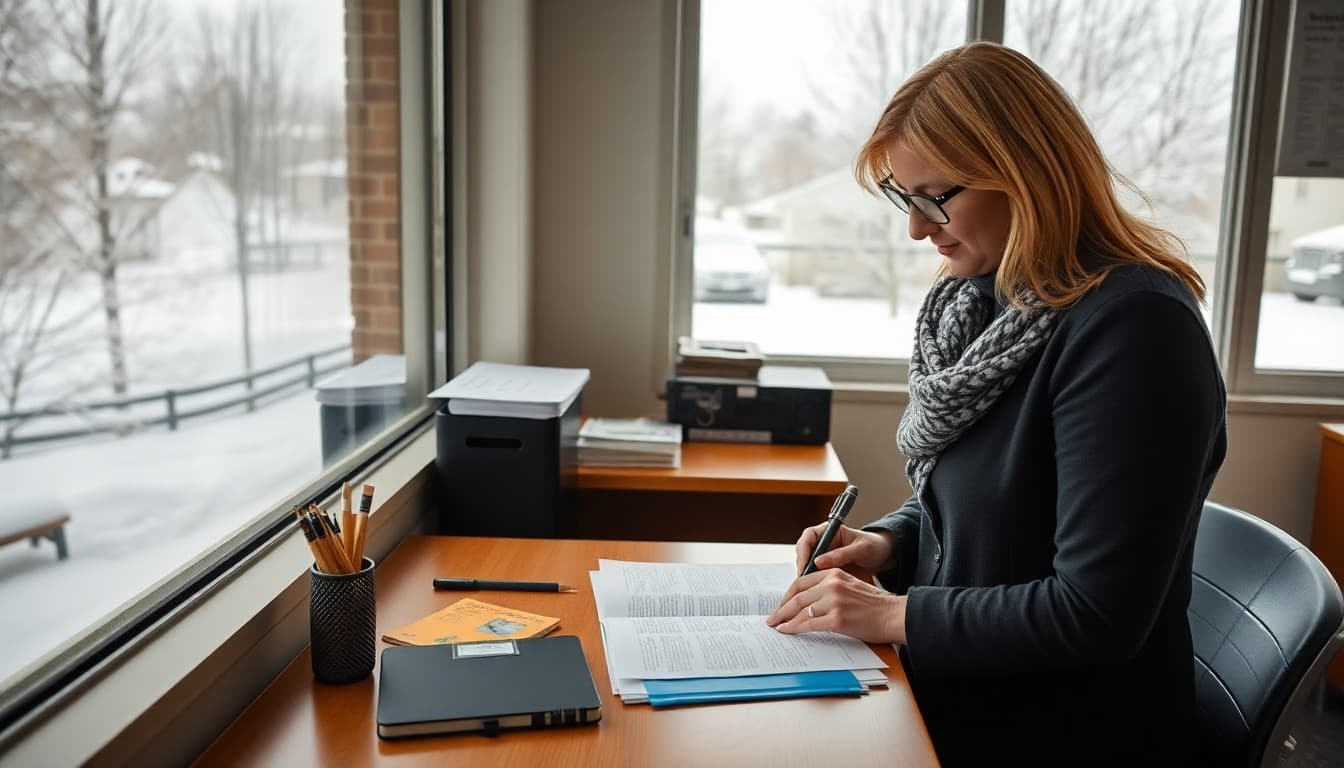
Minnesota school counselors work in a state that combines some of the strongest public education infrastructure in the country with significant equity gaps. The Twin Cities metro has diverse immigrant communities that bring specific counseling needs. Greater Minnesota has rural farming and industrial communities with their own stressors. And Minnesota winters, which can be relentless, create seasonal mental health challenges that are genuine and worth addressing in newsletters year over year.
North Star Promise: Minnesota's Newest Major Scholarship
Minnesota's North Star Promise Scholarship, established in 2023, covers tuition and fees at Minnesota State colleges and universities for students from families with income under $80,000. This is a significant program that many families have not yet fully understood. It applies to all 30 colleges and 7 universities in the Minnesota State system. A newsletter that explains income eligibility, where it applies, and how to pair it with FAFSA helps families plan. The window for families to benefit starts with understanding the program exists.
Minnesota's Diverse Twin Cities Communities
Minneapolis and Saint Paul have the largest Somali diaspora in the United States. Significant Hmong and Karen communities live across the metro. East African communities are growing in suburbs like Eden Prairie, Burnsville, and Brooklyn Park. These communities have cultural frameworks for family support, mental health, and community that differ from Western clinical models. A newsletter that references community-specific organizations like the Minnesota Somali Community Mental Health Initiative or Hmong cultural support programs is more useful to these families than generic statewide resources.
Minnesota Mental Health Resources by Region
Hennepin Healthcare Crisis operates in Minneapolis. Ramsey County Crisis Services covers Saint Paul. Mental Health Crisis Teams operate county by county across Greater Minnesota. The Minnesota Department of Human Services funds community mental health centers across the state. PrairieCare has locations across the metro. In rural Minnesota, Lakewood Health System and local county mental health units are the primary access points. The 988 Lifeline works everywhere in Minnesota.
Winter Mental Health Is a Minnesota Counselor Responsibility
Minnesota winters run from October through April in much of the state. Reduced daylight, extreme cold that limits outdoor activity, and social isolation combine to create real mental health risk. A fall newsletter that addresses seasonal depression prevention, names light therapy and sleep schedule strategies, and explains when to seek professional support is appropriate and welcomed by Minnesota families. Do not wait for January to address what families should be doing in October.
Greater Minnesota Rural Context
Outside the Twin Cities, Minnesota has agricultural communities, Iron Range mining towns, and resort communities in the north. These regions have limited behavioral health infrastructure, different economic pressures, and cultures that can be wary of mental health services framed in clinical language. Practical, plain-language communication about available support, including telehealth, tends to land better in these communities than approaches that feel urban-imported.
Template Section: North Star Promise for Minnesota Families
Here is a section for Minnesota high school newsletters:
"Minnesota families with income under $80,000 may qualify for the North Star Promise Scholarship, which covers tuition and fees at Minnesota State colleges and universities. This includes 30 colleges and 7 universities across the state. To access this scholarship, students need to complete FAFSA and enroll in an eligible MnSCU institution. If you are unsure whether your family qualifies or which schools are covered, contact the counseling office and we can walk through the details together."
Multilingual Communication in Minnesota
Somali, Hmong, Spanish, and Karen are among the languages spoken at home by significant numbers of Minnesota students. A newsletter with translated sections or translated resource lists reaches families who would not act on English-only content. Daystage lets you include translated sections within a single newsletter without building a separate document for each language.
Monthly Consistency Through Minnesota's Long School Year
Minnesota families appreciate reliability. Consistent monthly newsletters that acknowledge the real rhythms of Minnesota life, winter, harvest season in agricultural areas, back-to-school in fall, build a communication relationship that serves every family before they need help.
Get one newsletter idea every week.
Free. For teachers. No spam.
Frequently asked questions
What should a Minnesota school counselor include in a newsletter?
Minnesota counselors should include North Star Promise scholarship information, mental health resources through Minnesota Department of Human Services, social-emotional content relevant to the Twin Cities metro's diverse immigrant communities, and seasonal mental health topics given Minnesota's long winters.
What Minnesota mental health resources should be in a counselor newsletter?
Hennepin Healthcare Crisis operates in Hennepin County. Ramsey County Crisis Services covers Saint Paul. Mental Health Crisis Teams operate county by county. Prairie Care and PrairieCare Medical Group provide inpatient and outpatient services. The Minnesota Association of Community Mental Health Programs coordinates statewide resources. The 988 Lifeline is statewide.
What is the North Star Promise scholarship?
The North Star Promise Scholarship, established in 2023, covers tuition and fees at Minnesota State colleges and universities for students from families with income below $80,000. It has rapidly become one of the most significant state financial aid programs in the Midwest. Many Minnesota families still do not know about it or understand that it applies to the full MnSCU system.
How should Minnesota counselors address the Twin Cities' diverse immigrant communities?
The Twin Cities has the largest Somali diaspora in the US, significant Hmong and Karen communities, and growing East African populations across Minneapolis and Saint Paul suburbs. Counselors should include translated resources, acknowledge cultural mental health frameworks that differ from Western models, and reference community-specific organizations in their newsletters.
What newsletter tool do Minnesota school counselors use?
Daystage helps Minnesota counselors build mobile-friendly newsletters and include multilingual resource sections. You can create and schedule newsletters without design experience.

Adi Ackerman
Author
Adi Ackerman is a former classroom teacher and curriculum writer with 8 years in K-8 schools. She writes about school communication, parent engagement, and what actually works in real classrooms.
More for School Counselors
Ready to send your first newsletter?
3 newsletters free. No credit card. First one ready in under 5 minutes.
Get started free