
March Bullying Prevention Newsletter for School Families
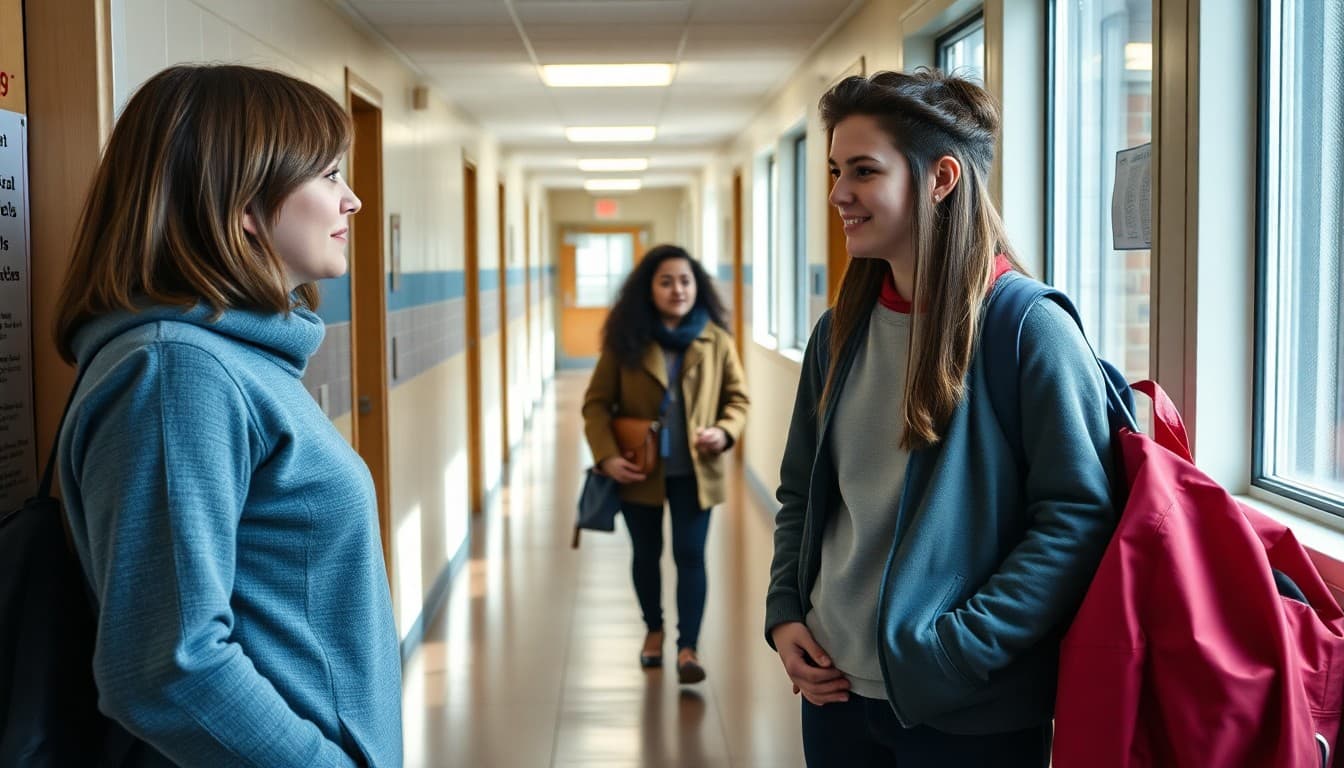
March is statistically one of the highest-conflict months in the school year. Testing stress, spring break social pressure, and the accumulated weight of a full school year create conditions where bullying behavior, both overt and subtle, tends to intensify. Your March newsletter helps families stay attuned to what is happening in their child's social world when the school day energy is at its most strained.
Third Quarter: Why Conflict Peaks
Students in the third quarter are simultaneously under maximum academic pressure, maximum social fatigue, and minimum patience with each other. Eight months of close daily contact means that the small frictions that were tolerable in September have accumulated into real grievances. Students who have been marginally included in social groups since fall often face more active exclusion in March as the social cost of tolerance rises. Your newsletter can help families understand this pattern and watch for it specifically.
Spring Break and the Visibility of Exclusion
Spring break is a social event as much as a school vacation. The week before and after break, students share plans, compare destinations, and talk about who spent time together. For a student who was deliberately excluded from friend group spring break plans, that exclusion is public and visible. Help families recognize that deliberate, targeted exclusion from social events is a form of bullying even when it happens outside school hours. The harm lands in the school building when students return.
When Previous Reports Have Not Been Resolved
Some families are in March with a bullying situation that was reported months ago and never fully addressed. If that is the case for a student in your school, they need active follow-up rather than another patient waiting period. Help families understand their right to request a meeting and get a status update on what was done, what was found, and what the plan is going forward. Unresolved bullying that has been running since fall causes real cumulative harm, and that harm requires urgency, not bureaucratic patience.
Cyberbullying and Spring Social Media Activity
As weather improves and students spend more time in social contexts outside of school, social media activity often increases. Group chats, photo posts, and public tagging create new vectors for exclusion and cyberbullying. Help families stay engaged with their child's online social world in March: not as surveillance but as genuine interest in who their child is connecting with and what they are experiencing online. A family that knows the names of their child's online peer group is in a much better position to help when something goes wrong.
What the Counseling Office Is Doing in March
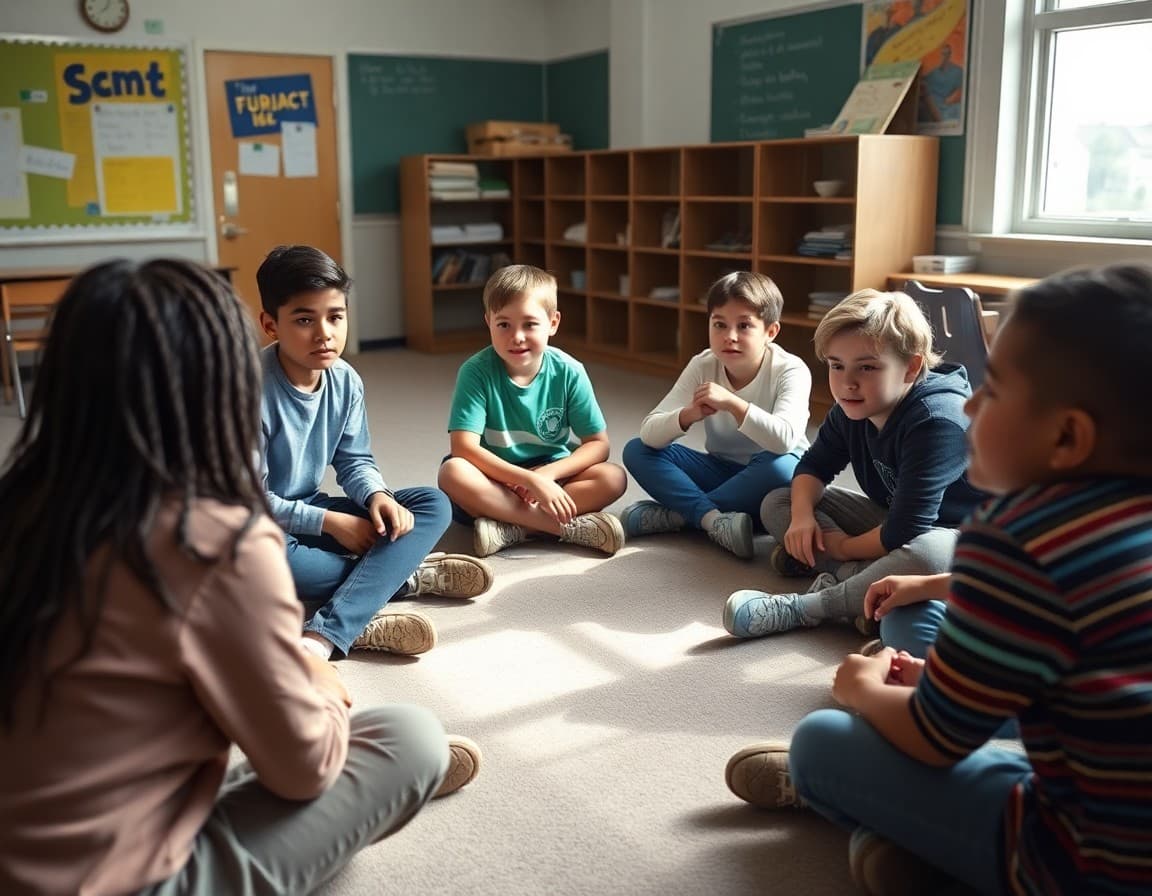
Let families know what specific bullying-related activities your counseling program is running in March: peer mediation sessions, restorative circles for students with ongoing conflicts, or classroom guidance lessons on upstander behavior. When families see that the counseling program is actively addressing these issues rather than waiting for incidents to be reported, they trust the program more and bring concerns forward earlier.
Supporting Students Who Are Near Breaking Point
Some students who have been managing social difficulties since the start of the year reach a point in March where they are no longer managing. The cumulative weight of exclusion, mocking, or daily unkindness can produce a significant emotional crisis that appears sudden to everyone except the student who has been carrying it for months. If your child comes home in March with a reaction that seems disproportionate to a single incident, it is probably not disproportionate. It is the result of months of smaller incidents finally finding their outlet. Take it seriously.
What Comes After a Bullying Report in March
Families who report bullying in March often worry that there is not enough time left in the year for a meaningful response. There is. A bullying investigation and intervention that produces even a partial improvement in April and May is more protective than a year-end report that carries forward as unresolved trauma. Help families understand that March reports are not too late to matter, and encourage them to file rather than wait until September with the hope that a new year will fix what this year broke.
Pre-Scheduling Spring Issues With Daystage
If you build your March, April, and May newsletters in February using Daystage, all three issues go out automatically with no further effort from you during the busiest stretch of the school year. That kind of systematic communication keeps your family engagement high through the spring and ensures that your bullying prevention message stays consistent from September through June.
Get one newsletter idea every week.
Free. For teachers. No spam.
Frequently asked questions
Why does bullying increase in the third quarter?
Third quarter brings the convergence of standardized testing stress, spring break social pressure, and eight months of accumulated peer history. Students with lower stress tolerance behave more impulsively, and students who have been marginally included in social groups often face more direct exclusion as the novelty of tolerating them wears off.
How does spring break create bullying opportunities?
Spring break generates visible social divisions: who was included in friend group trips, whose social media is full of photos from fun destinations, and who will return to school with nothing to share. Deliberate exclusion from spring break plans, particularly when it is communicated publicly, qualifies as social bullying.
What should families do if bullying has been ongoing since January without resolution?
Request an urgent meeting with the school counselor rather than waiting until the end of the year. Students who have been targeted for multiple months need active intervention, not more watching and waiting. Ongoing bullying causes cumulative psychological harm that becomes harder to reverse the longer it continues.
How do schools handle bullying cases that were reported but not resolved earlier in the year?
Follow up directly with the counselor or administrator who received the original report. Ask what investigation was conducted, what the outcome was, and what follow-up monitoring has occurred. If no meaningful action was taken, ask to meet with the principal. Persistent advocacy from families is often what generates real response.
What tool helps counselors maintain consistent bullying prevention communication through spring?
Daystage lets counselors pre-schedule spring newsletters so March, April, and May issues go out automatically, maintaining consistent prevention messaging even during the busiest stretch of the school year.

Adi Ackerman
Author
Adi Ackerman is a former classroom teacher and curriculum writer with 8 years in K-8 schools. She writes about school communication, parent engagement, and what actually works in real classrooms.
More for School Counselors
Ready to send your first newsletter?
3 newsletters free. No credit card. First one ready in under 5 minutes.
Get started free