
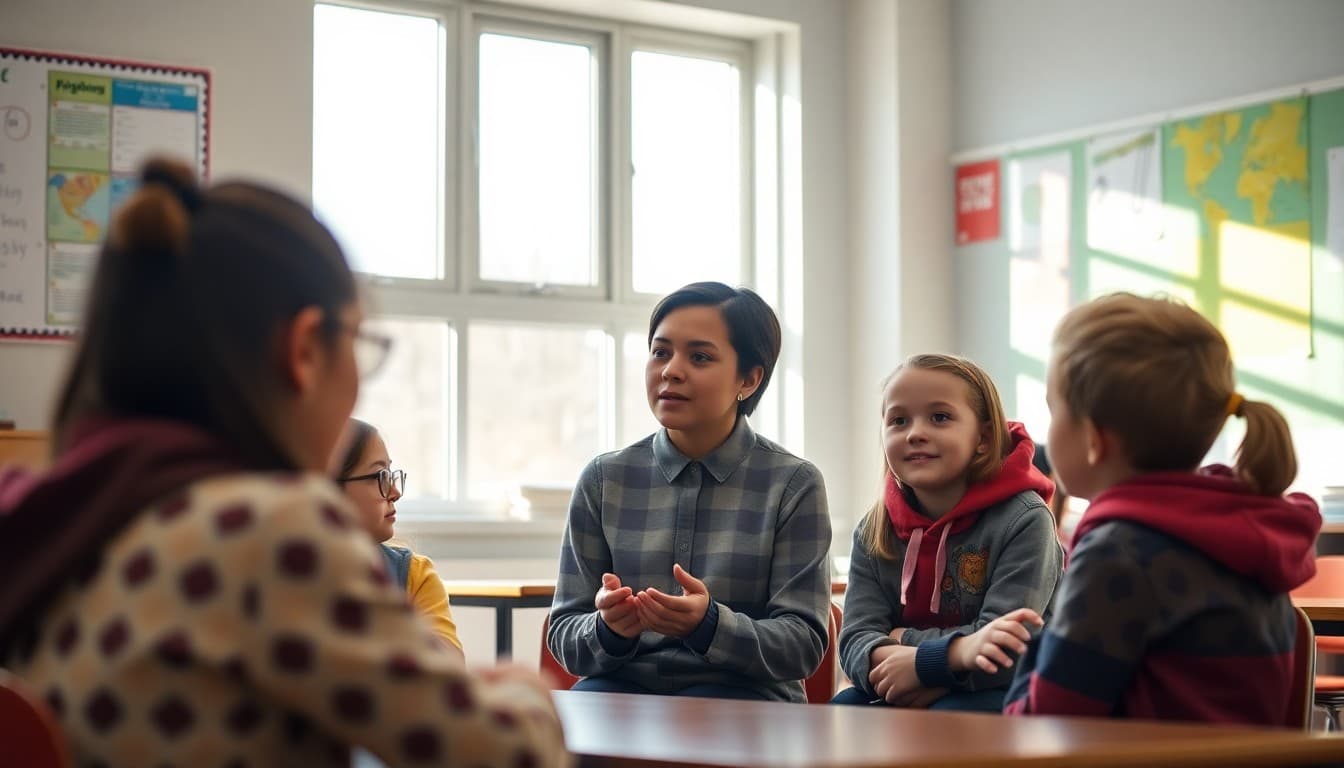
December Bullying Prevention Newsletter for School Families
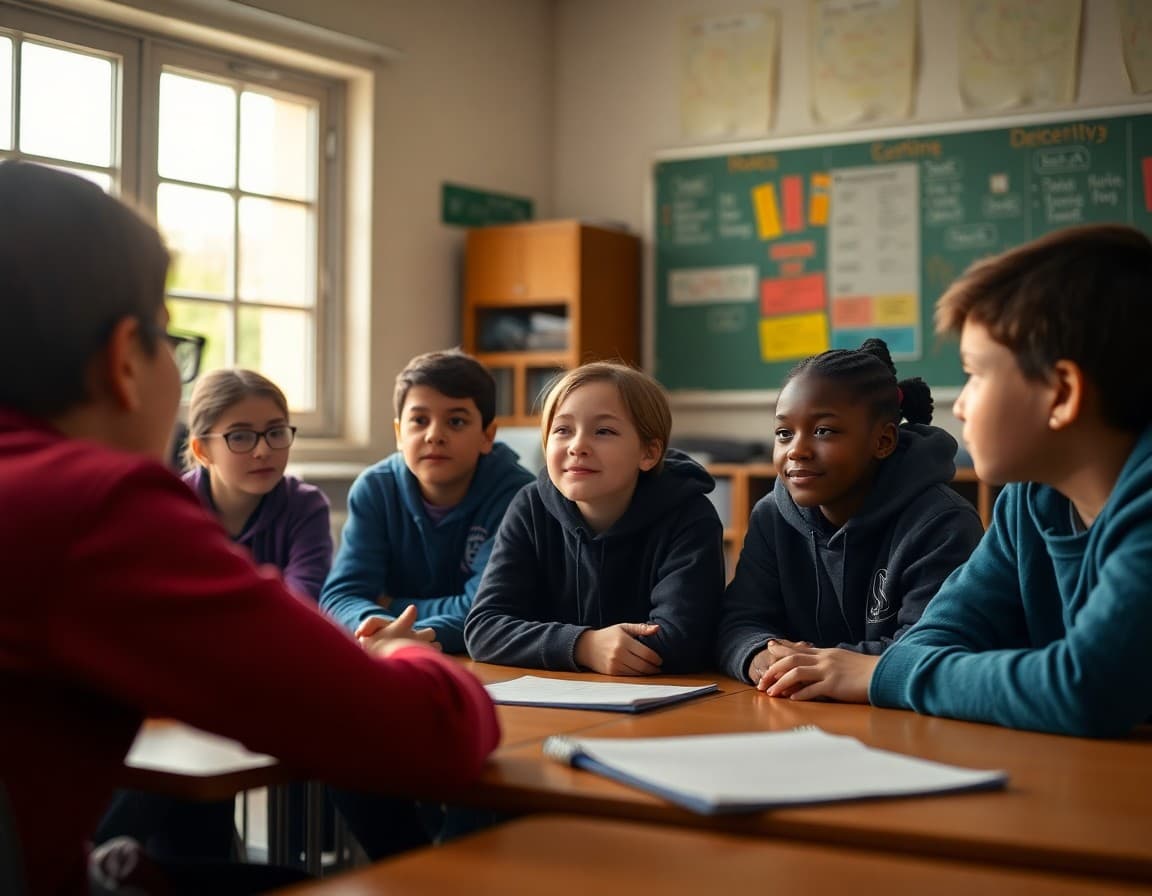
December is a month of high social visibility. Gift exchanges, holiday parties, and winter break plans all create moments where inclusion and exclusion are painfully obvious. Your December newsletter gives families the language and tools to help their children navigate these moments with care and to respond effectively when things go wrong.
The December Social Pressure Cooker
The final weeks of the first semester combine academic pressure, holiday anticipation, and the social friction of a group of students who have been together since August. Tempers are shorter, patience is thinner, and the small social unkindnesses that students might have controlled earlier in the year now come out more easily. This is predictable, which means your newsletter can prepare families before the incidents happen rather than only addressing them afterward.
Holiday Exclusion Is Still Bullying
When a small group of students deliberately excludes a classmate from holiday plans, from a gift exchange circle, or from sitting at the lunch table where the gift exchange is happening, that is social bullying. The holiday context does not change what it is. Help families recognize that exclusion does not have to be accompanied by name-calling or physical behavior to cause real harm. Deliberate, repeated social exclusion is one of the most damaging forms of peer mistreatment in K-12 schools.
Preparing Students for Imperfect Gift Exchanges
Class gift exchanges can create genuine social pain when they go badly. A student who receives a clearly regifted or low-effort item, or who senses their recipient was disappointed, can carry that social sting for weeks. Prepare families by giving their child language for gracious receiving regardless of the gift, by setting expectations that gift exchanges are meant to be fun rather than meaningful, and by debriefing afterward without making the outcome a bigger deal than it needs to be.
Cyberbullying Over Winter Break
Two to three weeks of break with unlimited device access is a long stretch of time for cyberbullying to develop or escalate. Help families prepare by having a conversation before break about what to do if something goes wrong online: take screenshots, do not engage, come to a parent immediately. Students who have this conversation with their family before break are far more likely to report rather than suffer in silence for two weeks and return to school in January already wounded.
Reporting Incidents at End of Semester
Some families hold off on reporting bullying in December because they do not want to create problems during the holiday season or because they assume nothing will be done during the last week of school. Neither of those assumptions should stop a report. Incidents reported before break can be documented, investigated, and addressed through planned conversations when school resumes in January. Waiting until January means the targeted student spent the entire break carrying the burden of an unaddressed problem.
Student Who Returns After Break to a Changed Social Situation
Some students return from winter break to find that a friend group has reconfigured without them. Social media and group chats over break allow these shifts to happen without any conversation. Help families prepare their students for this possibility: if your social situation looks different in January than it did in December, that is not necessarily permanent, and it is worth talking to the counselor about next steps. Framing this as manageable rather than catastrophic helps students stay regulated rather than spiraling on the first day back.
Ending the Semester With a Clear Message
Your December newsletter is also an opportunity to close the semester with a clear message about your counseling program: what you covered, what support is available over break, and what families can expect in January. This end-of-semester summary positions you as a consistent, present resource and sets expectations for the second semester before students and families have fully disengaged for the holiday period.
Scheduling Your Last Issue of the Semester
If you use Daystage, your December newsletter should go out in the first week of the month, giving families the maximum amount of time to absorb the content before the last week of school chaos takes over. A newsletter that arrives on December 1 is read. A newsletter that arrives on December 18 is not.
Get one newsletter idea every week.
Free. For teachers. No spam.
Frequently asked questions
Does bullying behavior increase in December?
Conflict and exclusionary behavior often peak in the final weeks before winter break due to end-of-semester stress, holiday social events, and the general fatigue of a long semester. Students are less regulated, less patient with each other, and more prone to impulsive social behavior.
How should families handle a bullying incident reported in the last week of school?
Report it to the school counselor or administration immediately, even in the last week. Schools can document the incident, speak with the involved students before break, and set up a plan for follow-up when school resumes. Do not wait until January to report something that happened in December.
What should families do if cyberbullying starts over winter break?
Take screenshots, do not respond to the bully on any platform, and contact the school counselor on the first day back. If the content is threatening or involves images, contact local law enforcement as well. Schools have jurisdiction over cyberbullying that targets students in their community even when it occurs off campus.
How can families reduce the social exclusion that happens around holiday gift exchanges?
Help your child choose gifts that are thoughtful but not extravagant, prepare them for the possibility that not everyone will respond warmly, and debrief with them afterward without dramatizing the outcome either way. Teaching children to handle social disappointment with grace is a more lasting skill than preventing the disappointment from happening.
What platform helps counselors deliver consistent December bullying prevention content?
Daystage lets counselors schedule December newsletters to deliver automatically, ensuring families receive prevention guidance even during the last chaotic weeks before winter break when other communication tends to go dark.

Adi Ackerman
Author
Adi Ackerman is a former classroom teacher and curriculum writer with 8 years in K-8 schools. She writes about school communication, parent engagement, and what actually works in real classrooms.
More for School Counselors
Ready to send your first newsletter?
3 newsletters free. No credit card. First one ready in under 5 minutes.
Get started free