
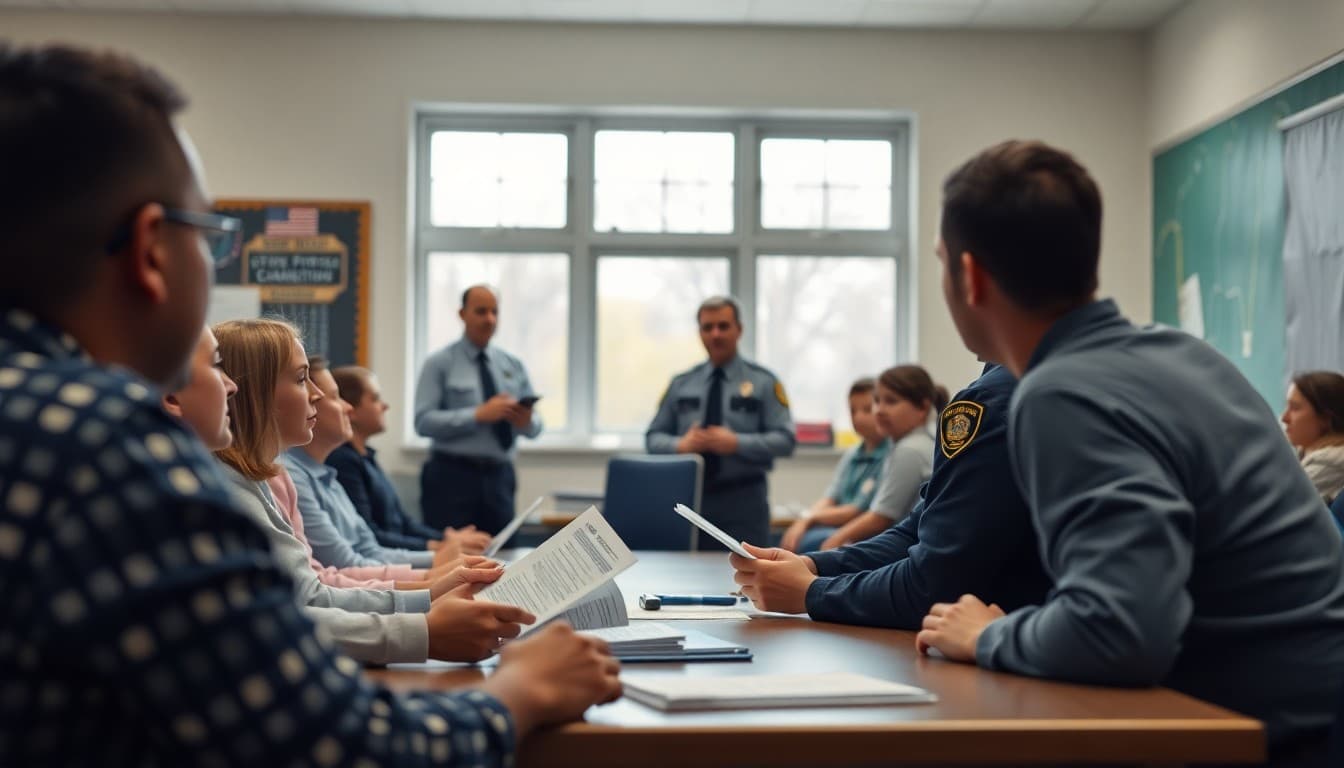
School Board Newsletter: Annual School Safety Report
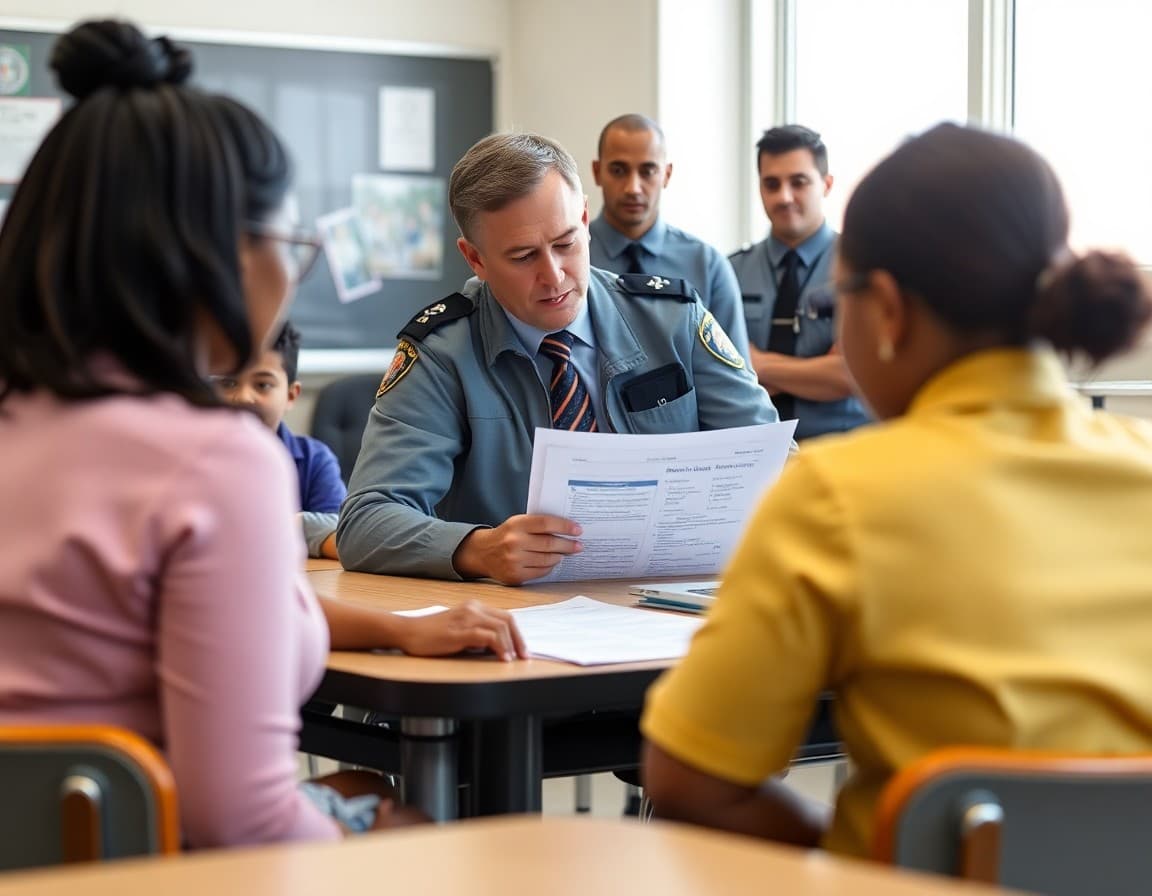
School safety is one of the most emotionally significant topics a board communicates about. Families entrust the district with their children's physical safety for six to seven hours every day. An annual safety report newsletter that shares data honestly, describes the actions being taken to maintain a safe environment, and acknowledges areas for improvement demonstrates that the board takes that trust seriously.
Summarize the report scope and the year it covers
Open by noting the school year or period the report covers, who compiled the data, and whether the report was presented to the full board at a public meeting. Families who understand the report's governance context have more confidence in its accuracy and completeness.
Present key safety data with trends
Share the key safety statistics for the prior year. Common data points include total reported incidents by category, such as physical altercations, weapons incidents, drug or alcohol incidents, and property offenses. Include comparisons to prior years to show whether trends are moving in a positive direction. Context matters more than raw numbers.
Describe physical security improvements made during the year
Name the specific physical security investments or improvements completed during the year. Upgraded access control systems, improved exterior lighting, camera system expansions, or secure visitor management system installations are examples. Families who see that the district is investing in physical security have more confidence in the overall safety environment.
Describe protocol and training updates
Note any changes to emergency response plans, the number of emergency drills conducted, and staff training completed. If the district adopted a new threat assessment protocol, trained staff on de-escalation, or updated its mental health crisis response procedures, describe those updates briefly.
Address mental health and climate alongside physical security
A comprehensive safety report acknowledges that a safe school is one where students feel supported, not just physically secure. Describe the social-emotional learning programs, counseling resources, and peer support initiatives that contribute to a positive school climate. Include any data on student or staff perceptions of safety if available.
Identify priorities for the coming year
Close with the board's specific safety priorities for the coming year. Named priorities with anticipated timelines are more credible than general commitments to ongoing improvement.
Invite family engagement on safety
Describe how families can contribute to school safety: reporting concerns through the district's anonymous tip line, participating in safety advisory committees, or attending school safety information sessions. Daystage gives district teams a professional platform for delivering annual safety reports that build community confidence in the district's commitment to student safety.
Get one newsletter idea every week.
Free. For teachers. No spam.
Frequently asked questions
What should an annual school safety report newsletter include?
Key safety statistics for the prior year such as incident counts by category, comparisons to prior years, improvements made to physical security, changes to safety protocols, staff training completed, and the district's priorities for safety improvement in the coming year.
How do we present safety incident data honestly without alarming families?
Present the data with context. Include trend lines to show whether incidents are increasing or decreasing. Describe the nature of the incidents without sensationalizing. Compare to state or national data if that context is useful. The goal is an informed community, not a frightened one.
Should the safety report address mental health alongside physical security?
Yes. School safety encompasses both physical security and the social-emotional environment. A newsletter that addresses only physical security gives an incomplete picture of how safe and supported students feel. Include mental health support resources and any related program expansions.
What should the newsletter say about emergency planning?
Describe the types of emergency plans in place, the frequency of drills, and any updates made to the plans in the past year. Do not publish specific tactical details of emergency plans, but do give families confidence that the district has current, practiced plans.
How does Daystage support safety communications?
Daystage gives district communications teams a professional newsletter platform for delivering annual safety reports and urgent safety updates to the full community. Consistent, proactive safety communication builds the family confidence that reactive communication cannot.

Adi Ackerman
Author
Adi Ackerman is a former classroom teacher and curriculum writer with 8 years in K-8 schools. She writes about school communication, parent engagement, and what actually works in real classrooms.
More for School Board
Ready to send your first newsletter?
3 newsletters free. No credit card. First one ready in under 5 minutes.
Get started free