
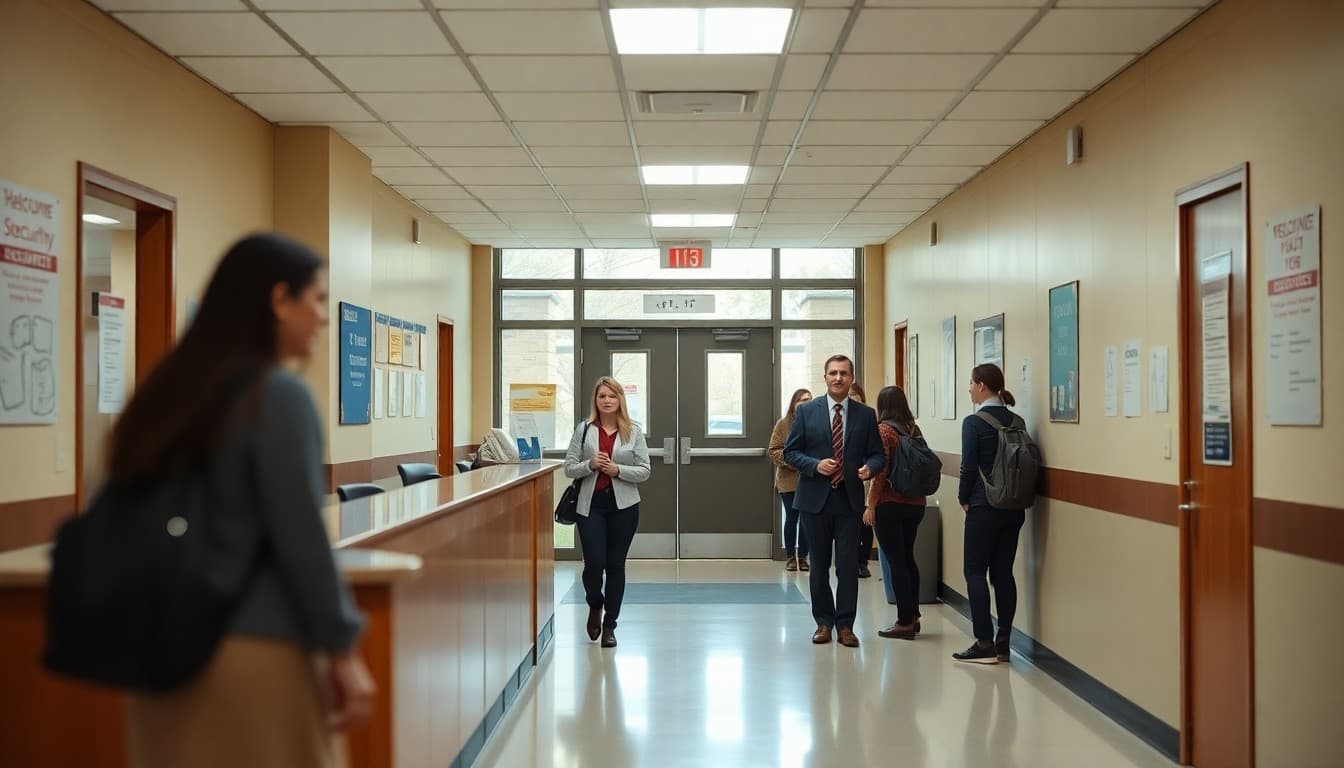
School Board Newsletter: Communicating the Safe Schools Plan

School safety is the topic that families care about most deeply and that boards communicate about most cautiously. The caution is understandable, but silence about safety plans creates anxiety rather than preventing it. A clear, factual newsletter about the district's safe schools plan tells families what is in place without providing a roadmap that undermines security.
Send Before Families Ask
Every August, parents wonder whether their child's school has an updated safety plan. If the district communicates proactively, families go into the school year reassured. If the board waits for an incident or a public question to prompt communication, the narrative starts in a reactive position. A back-to-school safe schools newsletter costs very little and prevents a significant amount of anxiety.
Describe the Plan Without Publishing the Playbook
Families need to know that a plan exists, that it has been reviewed, and that staff are trained to execute it. They do not need the specific layout of security cameras, the response sequence for each type of threat, or the locations of safe rooms. Share the categories of the plan: visitor protocols, emergency drills, crisis response teams, coordination with law enforcement, and mental health threat assessment. This level of detail is informative without being operationally sensitive.
Name the Partnerships
Local law enforcement collaboration is a concrete, verifiable safety investment that families can understand. Name the law enforcement agency or school resource officer program the district partners with. If schools participate in county-level emergency response coordination, mention it. External partnerships signal that the board has not developed a plan in isolation and that there are trained professionals involved in school safety beyond district staff.
Describe Staff Training
Parents want to know whether teachers and administrators know what to do in an emergency. Describe the training programs staff complete: threat assessment training, de-escalation skills, first aid certification, and drill facilitation. Note how often training is updated. This section reassures families that the plan is not just a document but a practiced capability.
Explain the Drill Schedule
Drills can be frightening for young children if families are not prepared for them. Tell families how many drills are scheduled, what types are included, and how the district balances thoroughness with age-appropriate delivery. Describe how teachers prepare students before drills, particularly at the elementary level. A brief explanation here prevents the call that comes after a five-year-old comes home upset about a lockdown drill.
Include Mental Health as Part of Safety
Safe schools plans increasingly treat mental health support as a core safety component alongside physical security. If your district has a threat assessment team or uses a behavioral threat assessment model, include a brief description. This also connects to other board investments in counseling and mental health services, showing that the board treats safety comprehensively.
Tell Families How to Report Concerns
Most school safety incidents involve warning signs that someone observed before an event occurred. Every safe schools newsletter should include clear information about how to report a concern: an anonymous tip line number, a web form, a direct email to the district safety coordinator, and the option to call law enforcement directly. Make this information easy to find and save.
Commit to Annual Updates
Safety plans change as schools, communities, and best practices evolve. Tell families that the board reviews the plan annually and will communicate changes each fall. This commitment to regular communication, which Daystage makes easy to maintain as a recurring newsletter, positions safety as an ongoing priority rather than a document that gets filed and forgotten.
Get one newsletter idea every week.
Free. For teachers. No spam.
Frequently asked questions
How much detail should a safe schools newsletter include?
Share enough to reassure families that a plan exists, has been reviewed, and is being implemented, but avoid publishing security-sensitive operational details. Families need to know that drills are practiced, that staff are trained, and that there are clear protocols for emergencies, without the newsletter becoming a guide to how the systems work.
When is the right time to send a safe schools newsletter?
Send it at the start of each school year before families have had time to wonder about safety protocols. Also send an update after any significant change to the plan, after a safety incident that families heard about, or after a major policy change at the state level that affects school security.
How do we communicate about safety without causing panic?
Lead with what is in place, not with the threats those measures address. Describe training, partnerships with local law enforcement, and the review process rather than cataloging scenarios. Avoid dramatic language. Matter-of-fact communication about a well-maintained plan is more reassuring than a newsletter that reads like a threat briefing.
Should the board newsletter mention specific incidents or threats?
If there has been a specific incident or a specific threat that families already know about, address it directly. Pretending families have not heard about a lockdown or a credible threat erodes trust. Acknowledge what happened, describe the response, and explain what is changing as a result.
What tool works best for school newsletters?
Daystage is useful for safety communication because it lets you send to verified lists quickly. In a situation where families need accurate information fast, having a reliable send path to all district families is more valuable than a polished design.

Adi Ackerman
Author
Adi Ackerman is a former classroom teacher and curriculum writer with 8 years in K-8 schools. She writes about school communication, parent engagement, and what actually works in real classrooms.
More for School Board
Ready to send your first newsletter?
3 newsletters free. No credit card. First one ready in under 5 minutes.
Get started free