

School Board Newsletter: School Safety Update From the Board
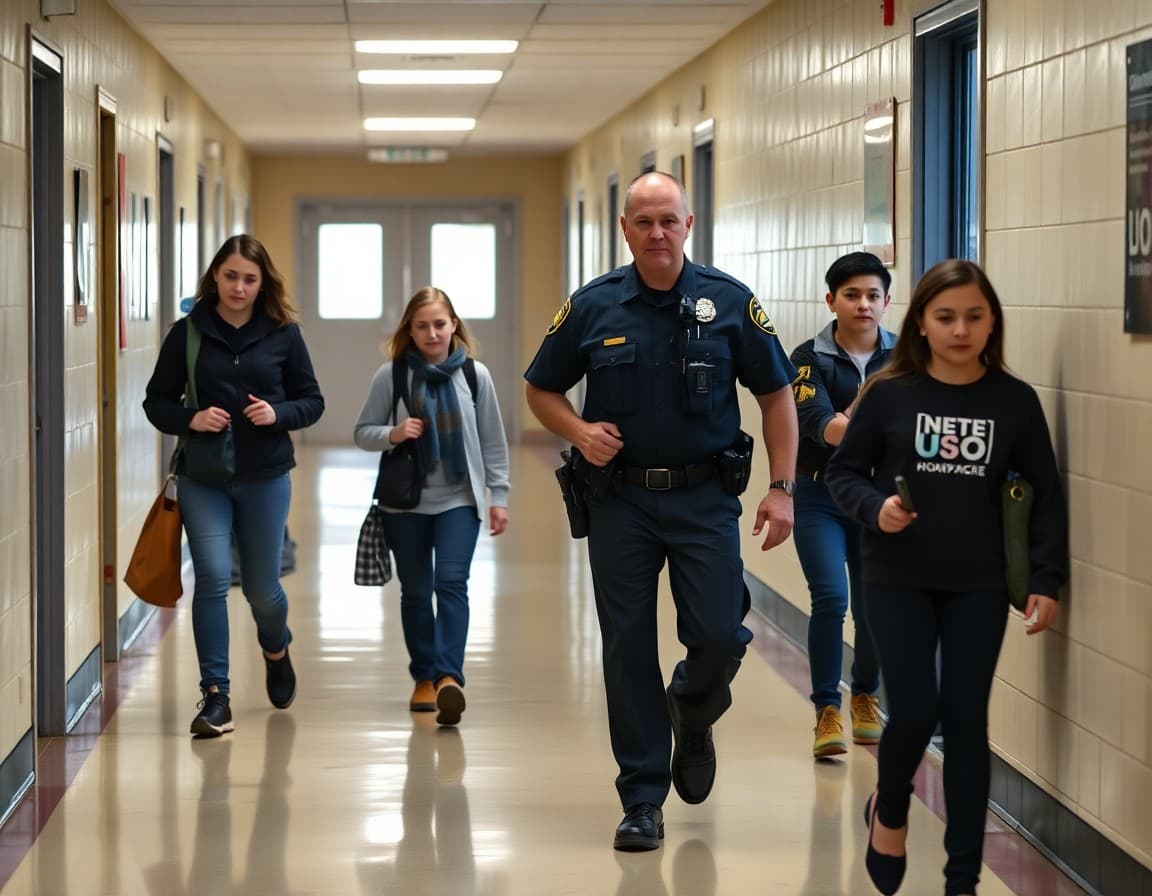
School safety is the question families care most deeply about. When the board takes action to improve safety, or when safety incidents prompt community concern, clear and timely communication is the most effective response. A proactive school safety update newsletter, sent when the board has substantive safety news to share, keeps families informed and confident rather than anxious and speculative.
Describe recent safety investments or improvements
Open with the specific safety actions the board and district have taken recently. New access control systems, upgraded exterior lighting, camera coverage expansions, visitor management system improvements, or perimeter security enhancements are all specific and communicable. Families who see that the district is investing in safety systems have more confidence than those who hear only general assurances.
Report on emergency planning and drill completion
Note the types of emergency plans the district maintains, when they were last reviewed or updated, and how recently drills were completed at each school. Families who know that staff and students practice emergency response regularly are reassured by that practice.
Describe the mental health and climate supports in place
A comprehensive school safety update addresses both physical security and the social-emotional environment. Describe the counseling and mental health resources available at each school, any social-emotional learning programs in place, and any threat assessment protocols the district uses to identify students who may be at risk.
Describe the threat assessment process
Explain how the district identifies and responds to potential safety threats before they escalate. Most districts have formal threat assessment teams that evaluate reports of concerning student behavior. Describing this process, without compromising its effectiveness, gives families confidence that concerning behavior is being addressed proactively.
Promote the anonymous safety tip line
Include the district's anonymous tip line number or link prominently. Describe the types of concerns families and students should report. Studies consistently show that students often know about planned violence before it occurs. An accessible, trusted tip line is one of the most effective prevention tools available.
Describe how families can contribute to school safety
Give families specific ways to contribute: talking to their children about reporting concerns, ensuring the school has current emergency contact information, and engaging with the school community in ways that build the relationships that make schools safer. Daystage gives district teams a professional newsletter platform for delivering school safety updates that build family confidence in the district's commitment to student safety.
Get one newsletter idea every week.
Free. For teachers. No spam.
Frequently asked questions
When should the board send a proactive school safety update newsletter?
After a safety assessment, after completing new security installations, at the start of each school year as a general safety information notice, or in response to community questions following a safety incident at another district. Proactive communication prevents the information vacuum that generates anxiety.
What should a school safety update newsletter cover?
Recent safety investments or improvements, the current state of physical security at district schools, emergency response planning and drill completion, mental health and climate supports in place, and how families can contribute to school safety. Avoid publishing tactical details that could be useful to bad actors.
How do we communicate about a safety incident without alarming the broader community?
Describe what happened and what the district's response was. Note what the incident showed the district worked well and what it is adjusting in response. Calm, factual communication after incidents is far less alarming than silence or vague acknowledgments.
Should the newsletter include information about the district's anonymous tip line?
Yes. Anonymous safety reporting tools are one of the most effective prevention mechanisms districts have. Include the tip line number or link in every school safety communication and describe what kinds of concerns families and students should report.
How does Daystage support safety communications?
Daystage gives district communications teams a professional newsletter platform for delivering proactive school safety updates and urgent incident communications to families at any time of year.

Adi Ackerman
Author
Adi Ackerman is a former classroom teacher and curriculum writer with 8 years in K-8 schools. She writes about school communication, parent engagement, and what actually works in real classrooms.
More for School Board
Ready to send your first newsletter?
3 newsletters free. No credit card. First one ready in under 5 minutes.
Get started free