
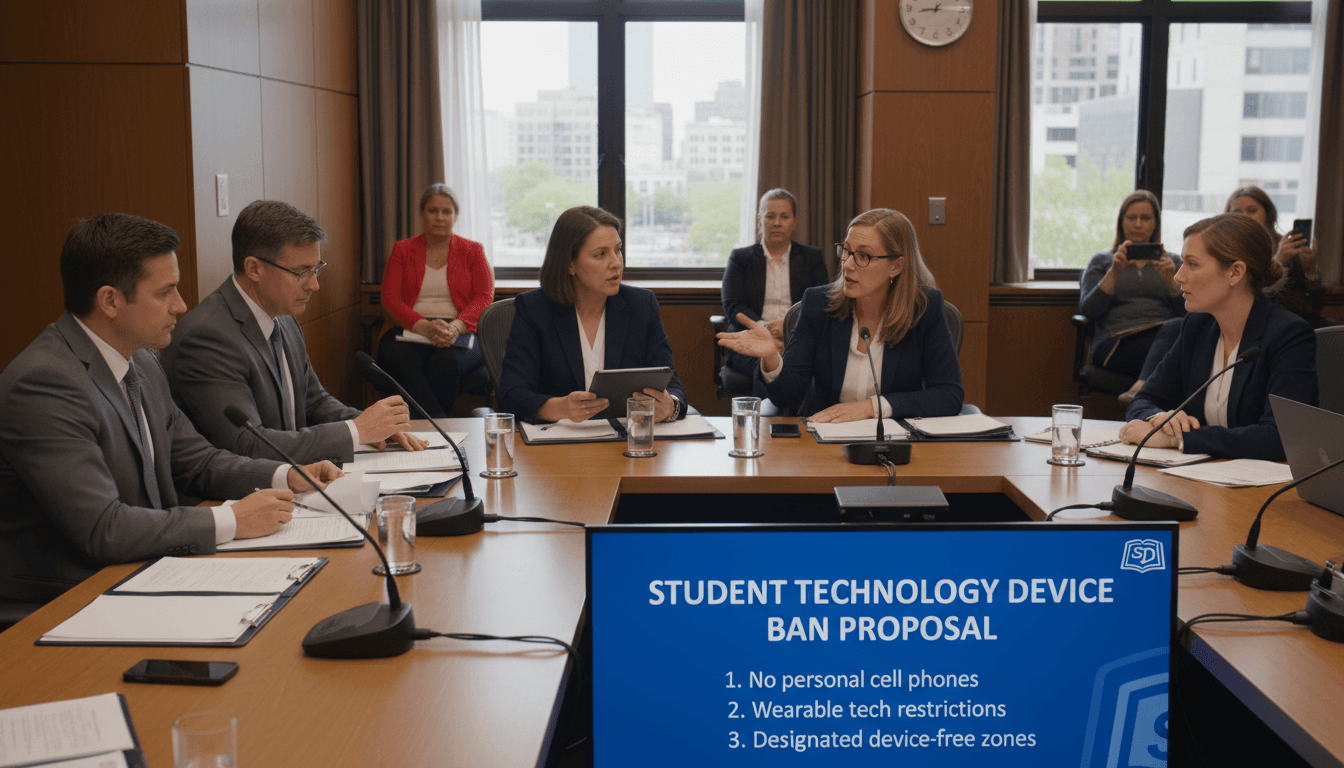
School Board Cell Phone Policy Newsletter: The New Rules
More school boards are restricting or banning student cell phones during the school day, and the newsletter communicating that policy to families is one of the most read pieces of district communication of the year. Families have strong opinions. Some are relieved. Others are alarmed. Many are somewhere in between: willing to support the policy if they understand the reasoning and trust that the implementation is fair. A well-written cell phone policy newsletter can move families from anxious to confident. A poorly written one generates complaints that outlast the policy debate itself.
This guide covers what to include in a school board cell phone policy newsletter, how to handle the most common parent concerns, and how to communicate both the rule and the rationale in a way that builds community support.
Lead with the policy, not the philosophy
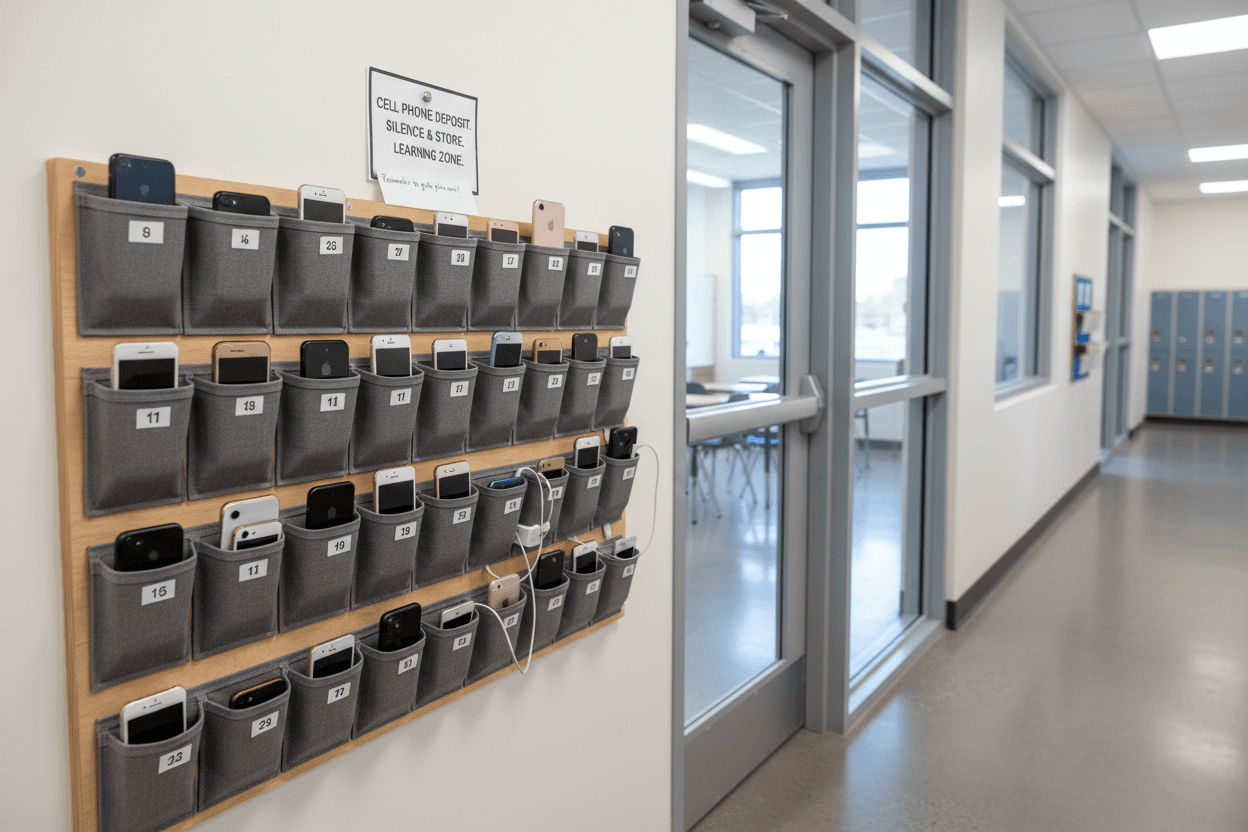
Families reading a cell phone policy newsletter want to know, quickly, what the policy actually is. Lead with the specifics before the rationale. "Beginning September 8, students at all district schools will be required to store their personal cell phones in a school-provided pouch or designated locker from the start of the school day through dismissal. Phones will not be accessible during class, passing periods, or lunch." Once families know what the policy requires, they are ready to hear why the board made the decision. Leading with paragraphs of research before stating the rule frustrates readers and buries the information they most need.
Name the evidence that drove the decision
Families who understand why a policy was adopted are more likely to support it at home. Cite the specific research or local data that informed the board's decision. "The board reviewed a 2024 meta-analysis of 72 studies showing that phone-free school policies are associated with a 14% improvement in academic performance among lower-achieving students. We also reviewed our own discipline data, which showed a 34% increase in social media-related conflicts in the three years since smartphones became ubiquitous among our student population." Local data is especially persuasive. If the district can point to its own incident reports, survey results, or teacher observations, those carry more weight with families than external research alone.
Explain exactly how the policy will be enforced
Enforcement details matter enormously to families. A policy without a clear enforcement mechanism is not a policy, and families know it. The newsletter should state who enforces the policy, where phones are stored, what happens when a student's phone is seen or heard, and what the consequences are for first and repeated violations. "Teachers will ask students to place their phone in the designated classroom pouch at the start of each period. A phone that is out during instruction will be confiscated and held in the main office. Families will be called to retrieve it. A second violation results in a one-day phone ban from school premises. A third violation triggers a parent meeting with the assistant principal." Specific escalation steps tell families that the district has thought the implementation through.
Answer the emergency contact question directly
"How do I reach my child in an emergency?" is the first question every family asks about a phone restriction policy, and the newsletter should answer it before families have to ask. "Parents and guardians who need to reach a student during the school day should call the main office at 555-0100. Office staff will locate your child and connect you. In the event of a school safety emergency, families will receive real-time updates through our SchoolReach notification system. The office phone is answered from 7:30 AM through 4:30 PM on all school days." Making this answer visible and specific reduces the concern more than any assurance about the policy's intentions.
Describe how the policy was developed
Families who know that teachers, students, and parents were involved in developing the policy are more supportive of it, even if they would have preferred a different outcome. "The board convened a Cell Phone Policy Task Force in January that included four classroom teachers, two high school students, three parents, and two principals. The task force met five times and reviewed policies from 14 comparable districts before presenting a recommendation to the board in April. The board held two public comment sessions before the final vote in May." A policy that went through a public process is more durable than one imposed from the top.
Address exceptions clearly
Some students have legitimate needs for device access during the school day. The newsletter should name the exception categories and how families request them. "Students with a documented medical need for device access, including students who use phones to monitor health conditions, may receive an accommodation through the school nurse. Students with IEP or 504 accommodations that require device access will continue to receive those accommodations. Families who believe their child has a specific need not covered by this policy should contact their school's assistant principal." Exceptions handled through a clear process signal fairness. Exceptions handled inconsistently generate the most complaints.
Set expectations for implementation and feedback
A new policy requires an adjustment period, and the newsletter should acknowledge it. "We expect the first few weeks of this policy to require reminders and adjustment from students and staff alike. Teachers have been trained on implementation and will be consistent in applying the policy from day one. We will review implementation data at the 60-day mark and will communicate any adjustments to families through our monthly newsletter." Naming the review date signals that the district is watching and responsive, not simply announcing and walking away.
Use Daystage to maintain consistent communication through the rollout
A cell phone policy announcement is the start of a multi-month communication effort. Questions surface, enforcement incidents generate feedback, and the implementation data tells a story families want to hear. Daystage monthly newsletters give school boards a professional format for sharing that ongoing story with families. When families see regular updates about how the policy is working, they feel like partners in the process rather than subjects of it. That shift in how families experience the policy is what makes it stick.
Get one newsletter idea every week.
Free. For teachers. No spam.
Frequently asked questions
What should a school board cell phone policy newsletter include?
Cover what the new policy requires students to do with their phones during the school day, what the enforcement mechanism is, what happens when a student violates the policy, how the policy was developed and who was involved, what the research shows about phones and learning, and how families can communicate with their child during the school day if not through a student's personal phone. Families want specifics: where phones are stored, who enforces it, and what the consequence is for a first offense versus a repeated violation.
How do you address parent concerns about reaching their child in an emergency?
This is the question every district gets first, and the newsletter should answer it directly before parents have to ask. 'If you need to reach your child during the school day for an emergency, call the main office at 555-0100. Office staff can reach your child within minutes. In the event of a school emergency, the district will communicate directly with families through our emergency notification system.' Families who know their child is reachable through the school are much more willing to accept a phone restriction.
How does a district communicate a cell phone policy that families strongly disagree with?
Acknowledge the disagreement without retreating from the policy. 'We understand that not every family agrees with this decision, and we took that feedback seriously during the development process. The board reviewed extensive research on the relationship between smartphone access during school and academic performance, social development, and mental health outcomes before approving this policy.' Then name the specific research or data that drove the decision. Families who know the policy was evidence-based and that their input was heard are more likely to support it at home even if they would have preferred a different outcome.
Should a cell phone policy newsletter address social media specifically?
Yes. The concern many families have about phones in school is not about phone calls; it is about social media. The newsletter should name it. 'A significant driver of this policy is the documented connection between social media access during school hours and increased anxiety, cyberbullying incidents, and attention disruption during instruction. Students will not have access to social media platforms during the school day under this policy.' Naming the specific concern shows that the district understands what families are actually worried about.
How does Daystage support school districts in communicating phone policy changes?
Daystage monthly newsletters give school boards a professional, consistent format for rolling out and reinforcing new policies like cell phone restrictions. A policy announced once in a one-off email is easily forgotten. Regular newsletter updates that remind families of the policy, share implementation data, and address questions as they surface make the policy feel managed rather than announced-and-forgotten. Consistent communication is what turns a board vote into a school culture shift.

Adi Ackerman
Author
Adi Ackerman is a former classroom teacher and curriculum writer with 8 years in K-8 schools. She writes about school communication, parent engagement, and what actually works in real classrooms.
More for School Board
Ready to send your first newsletter?
3 newsletters free. No credit card. First one ready in under 5 minutes.
Get started free