
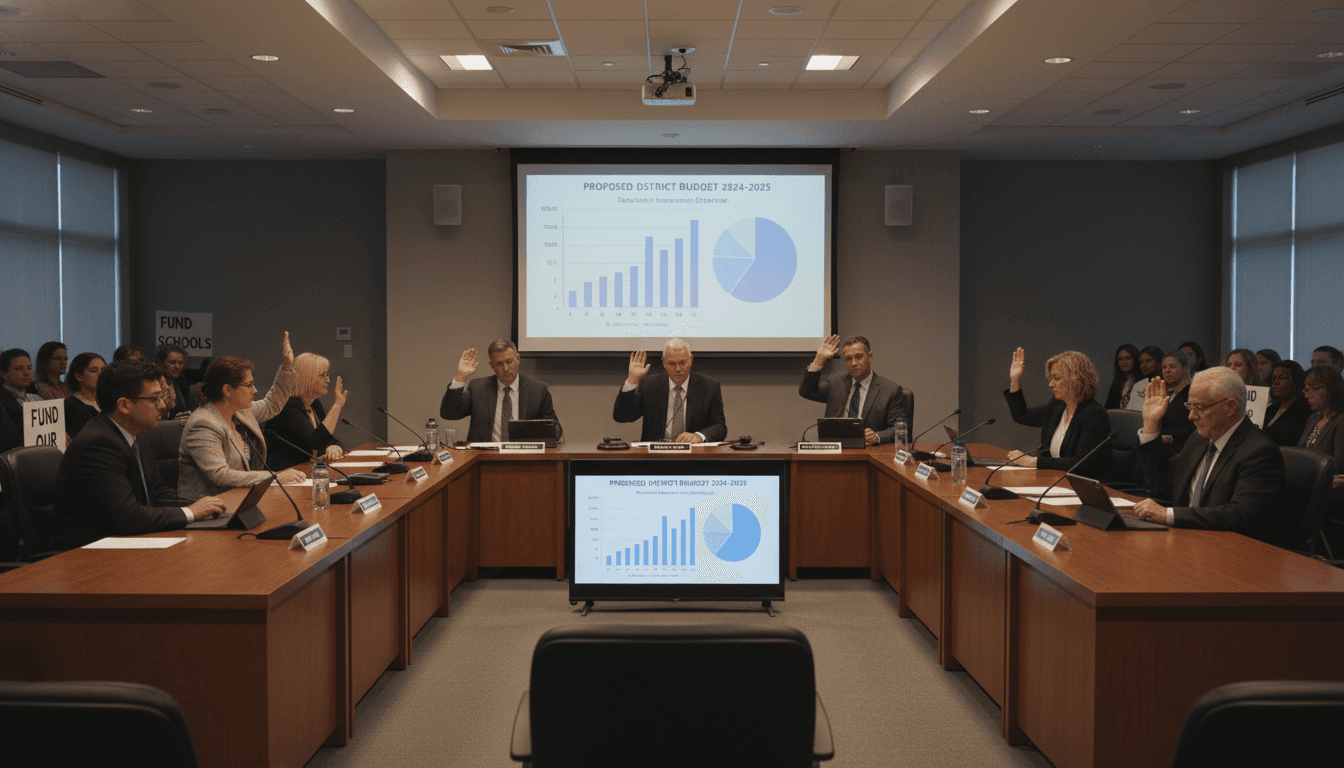
School Board Budget Vote Newsletter: Communicating Before and After
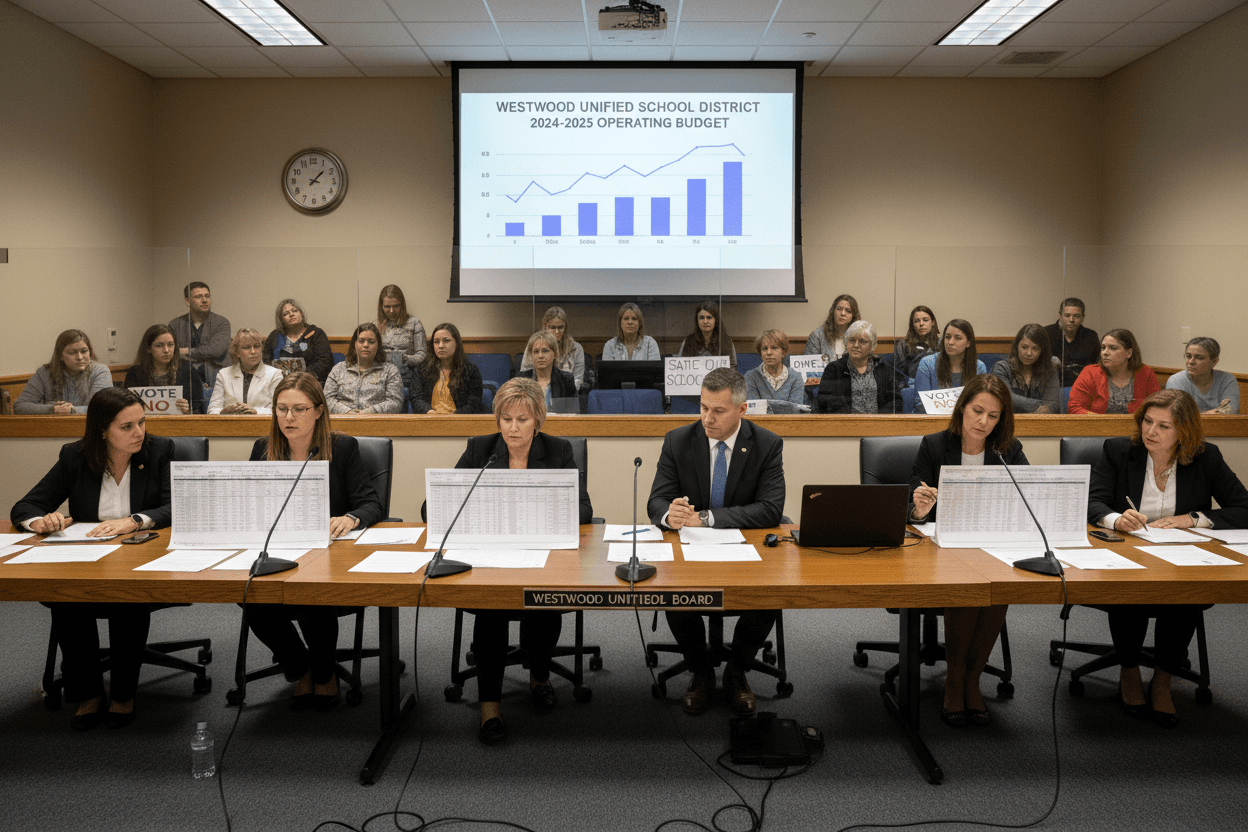
The school district budget is the document that determines everything families care about most: class sizes, program availability, staffing levels, facilities, transportation, and instructional materials. When the board votes on the budget, it is making decisions that will shape every student's school year. A budget vote newsletter is how the board communicates those decisions clearly and honestly to the community that is affected by them.
Budget communication should happen in two phases: before the vote, to inform community input and allow genuine participation, and after the vote, to explain what was decided and what comes next. Many districts communicate only after the vote, which means the community receives information too late to participate in the process.
Start budget communication before the draft is finalized
The most effective budget newsletters reach families before the vote, not as a formality but as a genuine invitation to participate. A newsletter sent four to six weeks before the budget vote that explains the budget calendar, describes the public hearing schedule, and previews the major decisions under consideration gives families the lead time they need to engage.
This early communication should be explicit about uncertainty. If the board is considering three different scenarios for addressing a funding shortfall, say so. If the superintendent's proposed budget includes cuts that the board has not yet reviewed, say so. Families who understand that the budget is still being shaped are more likely to show up to public hearings with meaningful input than families who are informed only when the decision is already made.
Translate budget numbers into program impacts
Budget figures in isolation are not useful to most families. A proposed general fund budget of $47.3 million does not tell a family in the Eastside Elementary attendance zone what it means for their child's third-grade classroom. Budget newsletters that translate dollar figures into program impacts, staffing levels, and student experience are the ones that families actually read and share.
For each major budget category, explain what it funds and how the proposed amount compares to the current year. "The proposed budget includes a 3.2 percent increase in instructional staffing, which reflects the addition of two new special education positions and one additional counselor at the middle school level" is more useful than "instructional staffing: $12.4 million." The translation does not require simplifying the budget to the point of inaccuracy. It requires framing every number in terms of its human impact.
Address the revenue side, not just spending
Budget newsletters frequently focus on where money is being spent without explaining where it comes from. Families who do not understand the revenue picture cannot evaluate whether the spending decisions are responsible. A budget newsletter should include a plain-language explanation of the district's primary revenue sources: state formula funding, local property tax levy, federal grants, and any other significant revenue streams.
If the district is facing a structural deficit because state funding has not kept pace with enrollment growth or inflation, say so. If the district is benefiting from a one-time federal grant that will not continue in future years, say so. Families who understand the revenue context make more informed judgments about budget trade-offs than families who see only the spending side.
Be direct about difficult decisions
Budget votes that include program cuts, position eliminations, or service reductions require more communication, not less. The instinct to minimize difficult news in official communications is understandable, but it backfires. Families who learn about cuts from neighbors, social media, or a union newsletter before they hear from the district directly will trust the district's communication less thereafter.
A newsletter that names affected programs by name, explains the financial rationale for the reduction, acknowledges the impact on students, and describes what support is available for affected families and staff communicates respect for the community even when the news is hard. The alternative, language that softens cuts into "program adjustments" or "strategic realignments," reads as evasion and confirms the suspicion that the district is not being straight with families.
Describe the public hearing process and how to participate
Every district is required to hold public hearings before adopting a budget. Many families do not know this, do not know how to find out when hearings are scheduled, or do not know how to submit written comments if they cannot attend in person. A budget newsletter that describes the hearing schedule in specific terms, including dates, times, locations, and how to submit public comment, removes the logistical barriers that keep most families on the sidelines.
Include information about language access for non-English-speaking families. If interpretation services are available at hearings, say so. If written comments can be submitted in languages other than English, include that information. The invitation to participate is only meaningful if the participation process is genuinely accessible.
Send a clear post-vote recap within days of the vote
Once the board votes on the budget, a post-vote newsletter should go out within two to three business days. This newsletter should state the vote outcome and the final adopted budget amount, summarize what was changed from the proposed budget based on board discussion and public input, describe the implementation timeline, and identify the contact for families with follow-up questions.
If the budget passed unanimously, say so. If it passed 5-2 with two board members voting against specific provisions, say so and briefly describe the concerns they raised. The post-vote recap is not a press release. It is an honest summary of what the board decided and why, delivered to every family in the district within days of the decision.
Use Daystage for a professional budget communication campaign
Budget communication is one of the most consequential communication responsibilities a district has. Daystage gives district communications teams the tools to build a multi-newsletter budget campaign, with a pre-vote series that builds community understanding and a post-vote recap that explains what was decided. Consistent, professionally formatted newsletters reach every family in the district, building the trust that makes future budget conversations easier.
Get one newsletter idea every week.
Free. For teachers. No spam.
Frequently asked questions
When should pre-vote budget newsletters go out to the community?
Begin budget communication at least four to six weeks before the vote. The first newsletter should explain what the budget process involves and when key public hearings are scheduled. Subsequent newsletters can go deeper into specific allocation decisions, revenue projections, and areas where the board is considering changes. Families who receive budget information only in the week before the vote cannot engage meaningfully with the process.
What budget information do families most need to understand before a vote?
The total proposed budget and how it compares to the current year. The primary drivers of any increase or decrease. What programs or services the budget protects and what changes are proposed. How the budget affects property taxes if a local tax levy is involved. When and how community members can comment on the budget before the vote. Clear answers to these questions are what families need to form an informed opinion.
How should the post-vote budget newsletter be structured?
Open with the vote outcome and the final adopted budget number. Explain what the adopted budget means for programs, staffing, and services. Acknowledge any significant concerns raised during the public process and how the board addressed or considered them. Include a timeline for when the budget takes effect and any implementation steps families should know about. Close with who to contact with follow-up questions.
How do I communicate a budget that includes program cuts?
Communicate cuts directly and with context. Name the programs or positions affected. Explain the financial constraints that made cuts necessary. Describe what alternatives were considered and why they were not sufficient. Acknowledge the impact on affected students and families. Districts that communicate cuts clearly and with genuine acknowledgment of their difficulty maintain more trust than districts that minimize or obscure the impact of reductions.
How does Daystage support district budget communication before and after a board vote?
Daystage gives district communications teams a professional newsletter tool for building a multi-newsletter budget communication campaign. Create a pre-vote newsletter series that walks families through the budget proposal in plain language, then send a polished post-vote recap once the budget is adopted. Consistent, professionally formatted budget newsletters reach every family in the district, not just those who attend public hearings.

Adi Ackerman
Author
Adi Ackerman is a former classroom teacher and curriculum writer with 8 years in K-8 schools. She writes about school communication, parent engagement, and what actually works in real classrooms.
More for School Board
Ready to send your first newsletter?
3 newsletters free. No credit card. First one ready in under 5 minutes.
Get started free