
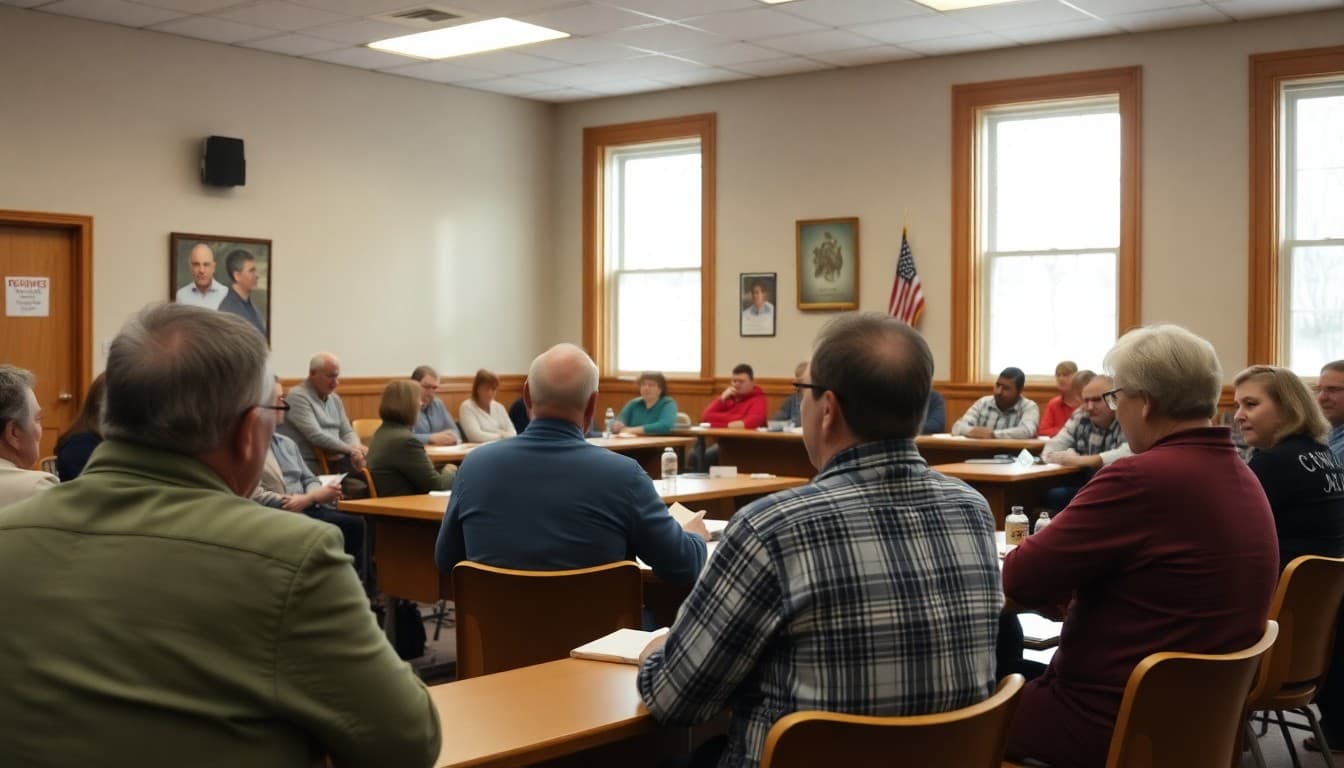
New Hampshire School Board Newsletter Guide: Local Control and Community Communication

New Hampshire has a distinctive school governance tradition built on local control and direct democracy. Annual school district meetings give voters direct authority over school budgets and certain policy decisions, and the deliberative session process allows community members to amend warrant articles before they go to a vote. In this environment, a consistent board newsletter is not just a governance communication tool. It is a civic education resource that helps community members participate meaningfully in the democratic processes that govern their local schools.
This guide covers what New Hampshire school board newsletters should include, how to support the civic governance processes that make New Hampshire school governance distinctive, and how to build community trust through regular, transparent communication.
Board meeting decisions and year-round governance communication
New Hampshire board meeting summaries should explain what was decided and why. For each significant decision, explain the problem being addressed, the alternatives that were considered, and why the board chose this course. Because New Hampshire voters have direct authority over budgets and some policy matters at the annual school meeting, board newsletters that keep the community informed throughout the year help ensure that school meeting participants are making decisions based on accurate and complete information.
NHSAS assessment results and academic performance
New Hampshire School Assessment System results are released annually and provide school and district performance data in English language arts and mathematics. When results are published, board newsletters should address them directly. Report what the data shows, explain what it means, describe what the board is doing in response to areas needing improvement, and acknowledge strong performance. New Hampshire communities are engaged and informed, and boards that communicate assessment data honestly earn more trust than those that avoid it.
Adequacy aid, property taxes, and school finance transparency
New Hampshire's school finance system combines state adequacy aid with heavy reliance on local property taxes. The adequacy aid formula has been subject to constitutional litigation, and many communities pay substantial property taxes to fund education above the state adequacy threshold. Board newsletters should explain what the district receives in state aid, what the local property tax contribution is, and how the board is allocating those combined resources. Families and voters who understand the finance system are better positioned to participate in budget votes and to engage with their legislators about state adequacy obligations.
School district meeting and deliberative session communication
New Hampshire's school district meetings and deliberative sessions are the direct-democracy events where community members vote on budgets and policies. Board newsletters should support these events throughout the year: explain what will be on the warrant, what the board is recommending and why, when deliberative session and the school meeting will be held, and how community members can participate and vote. Informed participation in these civic events depends on year-round communication that builds understanding, not just pre-meeting information dumps.
Policy changes and their effect on New Hampshire families
New Hampshire education policy is shaped by both the legislature and the State Board of Education, and local boards retain significant authority over operational decisions. When any level of government produces changes that affect families, board newsletters should translate those changes into plain language: what changed, when it takes effect, and what families need to know. New Hampshire's active legislative environment on education creates ongoing communication needs around state-level changes.
Community participation beyond the annual school meeting
While the annual school meeting is the signature civic event in New Hampshire school governance, community participation occurs throughout the year through board meetings, advisory committees, and community forums. Newsletter previews of upcoming agenda items, advisory committee openings, and community listening sessions should be included with specific logistics that make participation accessible year-round.
Using Daystage for New Hampshire board newsletters
Daystage supports New Hampshire school boards in building a consistent, professional newsletter practice that serves the state's civic governance traditions. Design a monthly template with standard sections: meeting summary, assessment results, finance and budget information, upcoming school meeting dates, and participation opportunities. Boards that publish consistently and communicate substantively support the informed civic participation that makes New Hampshire's school governance work.
Board elections and communication continuity in New Hampshire
New Hampshire school board positions are typically filled through annual school district elections. Newsletter communication should be designed as an institutional function that persists through membership changes. Introduce new members, acknowledge departing members, and maintain the same structure and publication schedule across transitions. Consistent communication builds the institutional trust that supports effective civic governance.
Get one newsletter idea every week.
Free. For teachers. No spam.
Frequently asked questions
What should a New Hampshire school board newsletter include?
Board meeting decisions with explanations, NHSAS assessment results, adequacy aid and property tax information, school meeting and budget vote dates, policy changes, and specific community participation opportunities. New Hampshire boards that explain the reasoning behind governance decisions build stronger community trust in a state with a strong tradition of local civic engagement.
How does New Hampshire's school governance structure affect newsletter communication?
New Hampshire communities govern their schools through deliberative session and school district meeting processes that give voters direct authority over budgets and some policy matters. Board newsletters should support this civic process by keeping community members informed throughout the year so they are prepared to participate in annual school meetings. The newsletter is a tool for year-round civic engagement, not just for reporting on board decisions.
How often should New Hampshire school boards publish newsletters?
Monthly publication is appropriate for most New Hampshire boards. Given the deliberative session and school district meeting calendar, communication should intensify in the months leading up to budget votes and school meetings to ensure voters have the information they need to participate meaningfully.
What is adequacy aid and how should New Hampshire boards explain it?
New Hampshire's adequacy aid is state funding intended to ensure every student has access to an adequate education regardless of their community's local property tax base. The formula has been the subject of significant litigation and ongoing legislative debate. Board newsletters should explain what adequacy aid the district receives, how it compares to the state's constitutional adequacy standard, and how local property taxes make up the difference.
How does Daystage support New Hampshire school board communication?
Daystage gives New Hampshire school boards a professional newsletter platform for consistent communication that supports the civic governance processes the state relies on. Build a monthly template with standard sections covering meeting summaries, NHSAS results, budget information, and upcoming school meeting dates and participation logistics. Informed voters are the foundation of New Hampshire's democratic school governance.

Adi Ackerman
Author
Adi Ackerman is a former classroom teacher and curriculum writer with 8 years in K-8 schools. She writes about school communication, parent engagement, and what actually works in real classrooms.
More for School Board
Ready to send your first newsletter?
3 newsletters free. No credit card. First one ready in under 5 minutes.
Get started free