
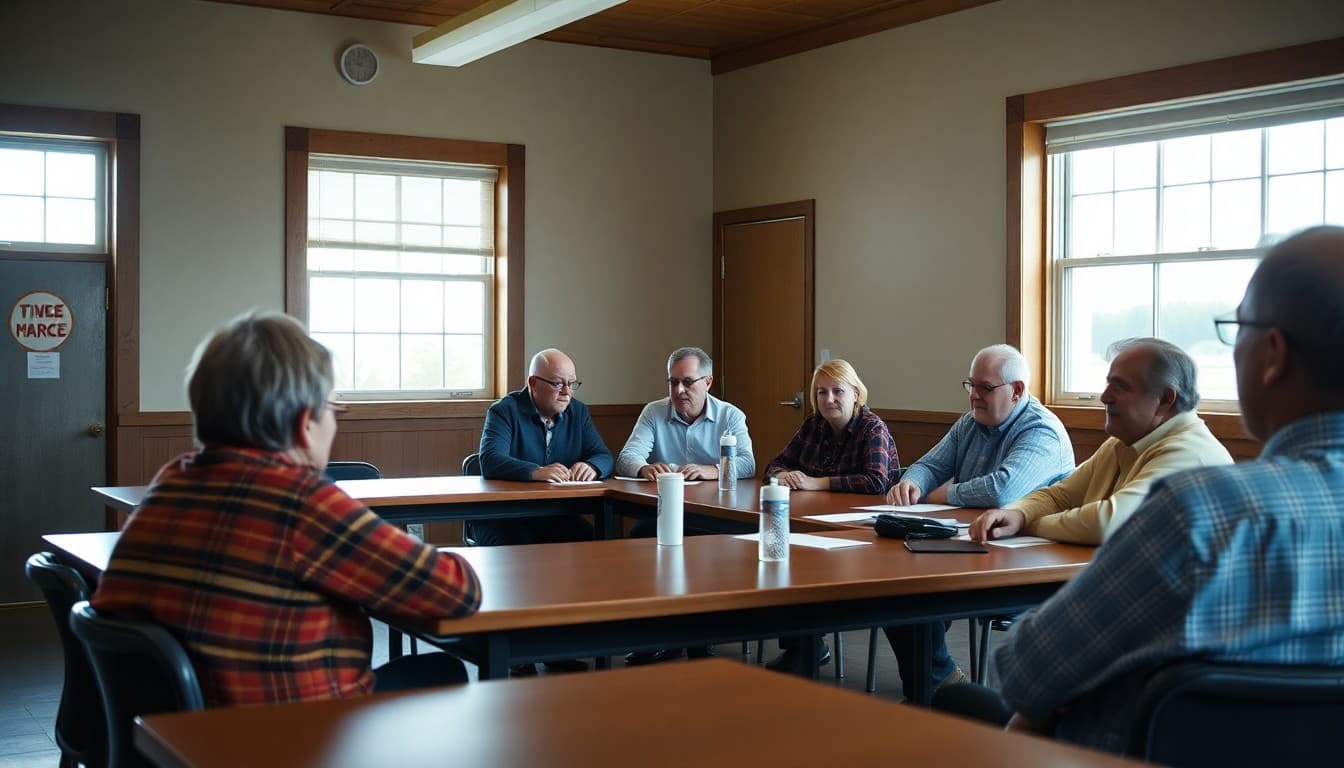
North Dakota School Board Newsletter Guide: Governance Communication in Small Districts

North Dakota has more than 170 school districts, most of them small and rural, in a state whose economy and state revenue are significantly influenced by oil production. North Dakota's Legacy Fund, built from oil extraction revenues, provides significant state resources, but oil price volatility means that education funding can change substantially from one legislative biennium to the next. In this context, a consistent board newsletter that communicates honestly about funding, academic performance, and governance decisions is essential for maintaining community confidence.
This guide covers what North Dakota school board newsletters should include, how to communicate on issues specific to North Dakota districts, and how to build community trust through regular, transparent governance communication.
Board meeting decisions in small community governance
North Dakota board meeting summaries should explain what was decided and why, even in smaller communities where board members and families know each other personally. The newsletter creates a formal governance record that all community members can access. For each significant decision, explain the problem being addressed, the alternatives considered, and why this course was chosen. Professional communication standards in small communities signal that governance is organized and accountable.
NDSA assessment results and academic accountability
North Dakota State Assessment results in English language arts and mathematics are released annually. When NDSA scores are published, board newsletters should address them directly. Report what the data shows for the district and for individual schools, explain what it means, describe what the board is doing in response to areas of underperformance, and acknowledge strong results. In smaller districts where assessment data may reflect small student populations, provide appropriate context for how to interpret year-to-year variation.
Oil tax revenues, Legacy Fund, and state funding communication
North Dakota's state education funding is supported in part by oil extraction taxes and Legacy Fund income. When revenue shifts affect state education appropriations, board newsletters should explain the implications: what the district is receiving in state aid, how that compares to prior funding levels, and how the board is planning the budget in response. Families who understand the connection between state revenue and local school budgets are better advocates with their legislators about education funding priorities.
Mill levy and local budget decisions
North Dakota school districts have authority to levy local property taxes within state limits. When the board takes action on tax rates or budget priorities, communicate clearly: what is being proposed, what it would fund, how it affects local taxpayers, and what the alternative would mean for district programs. Budget communications should connect spending decisions to programs and student outcomes.
Native American student programs and tribal community engagement
Several North Dakota districts include reservation communities with significant Native American student populations. Board newsletters in these districts should communicate specifically about what programs serve Native American students, how tribal community input shapes educational programming, and what outcomes those programs are producing. Genuine communication about Native American student success is both a governance obligation and a trust-building opportunity.
Community participation in North Dakota board governance
North Dakota's open meetings law ensures that board meetings are publicly accessible. Board newsletters should preview upcoming agenda items, explain significant decisions, and provide clear information on how to attend, comment, and participate. In small communities where most residents know each other, newsletters that explain what is coming before the board still add value by ensuring that all families have access to the same governance information.
Using Daystage for North Dakota board newsletters
Daystage supports North Dakota school boards, including smaller rural districts with limited communications resources, in building a consistent, professional newsletter practice. Design a monthly template with standard sections: meeting summary, NDSA results, state funding information, local budget details, and participation opportunities. Consistent publication at whatever scale is manageable is more effective than elaborate but infrequent communications.
Board elections and communication continuity in North Dakota
North Dakota school board elections occur on the general election cycle. Newsletter communication should be designed as an institutional function that persists through membership changes. Introduce new members, acknowledge departing members, and maintain the same structure and publication schedule across transitions. Even in small communities where governance is personal, institutional communication standards signal professionalism and accountability.
Get one newsletter idea every week.
Free. For teachers. No spam.
Frequently asked questions
What should a North Dakota school board newsletter include?
Board meeting decisions with explanations, NDSA assessment results, oil tax and state funding updates, budget and local mill levy information, policy changes affecting families, and community participation opportunities. North Dakota boards that explain the reasoning behind decisions build stronger community trust in small communities where personal accountability is direct and meaningful.
How often should North Dakota school boards publish a newsletter?
Monthly publication is appropriate for most North Dakota boards. North Dakota's oil-driven economy creates revenue volatility that affects state education funding, and boards benefit from consistent communication about how those fluctuations affect local district budgets.
How should North Dakota boards communicate about oil tax revenues and state funding?
North Dakota's Legacy Fund and oil extraction taxes provide significant revenue that flows into state education funding. When oil revenues fluctuate, state education appropriations can change significantly from one biennium to the next. Board newsletters should explain what the district is receiving in state aid, how that compares to prior periods, and how the board is planning the budget given revenue uncertainties.
How should North Dakota boards communicate about Native American student programs?
North Dakota has a significant Native American student population served by both reservation schools and public school districts that include reservation communities. Board newsletters should communicate what programs the district provides for Native American students, how tribal community input is incorporated into educational planning, and what outcomes those programs are producing. Tribal communities that see their students' needs addressed substantively in official board communication are more likely to trust and engage with local governance.
How does Daystage support North Dakota school board communication?
Daystage gives North Dakota school boards, including smaller rural districts with limited staff, a professional newsletter platform for consistent, clear board communication. Build a monthly template with standard sections covering meeting summaries, NDSA results, state funding updates, and community participation. Even a brief, well-structured monthly newsletter builds more community trust than infrequent or informal communication.

Adi Ackerman
Author
Adi Ackerman is a former classroom teacher and curriculum writer with 8 years in K-8 schools. She writes about school communication, parent engagement, and what actually works in real classrooms.
More for School Board
Ready to send your first newsletter?
3 newsletters free. No credit card. First one ready in under 5 minutes.
Get started free