

North Carolina School Board Newsletter Guide: Communicating Governance and Academic Progress
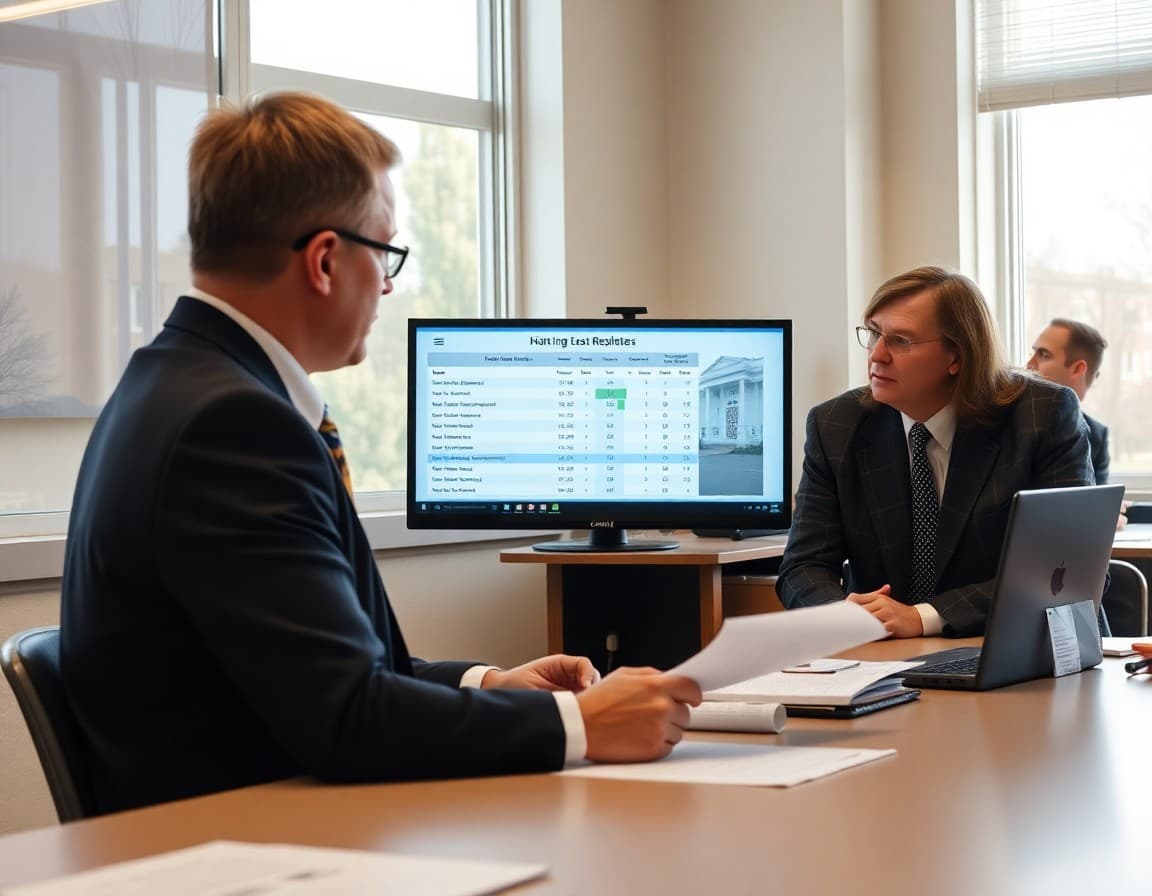
North Carolina school boards govern 115 local education agencies in a state with a distinctive governance structure: the state provides most education funding, county governments are required to provide local current expense funding, and local boards are responsible for managing the combined resources. This three-part structure creates specific communication obligations around how local funding compares to what the board requested, and why the gap matters for district programs. A consistent board newsletter that communicates honestly about this structure is essential for building community understanding and trust.
This guide covers what North Carolina school board newsletters should include, how to communicate on the issues most relevant to North Carolina districts, and how to build community confidence through regular, transparent governance communication.
Board meeting decisions with context and reasoning
North Carolina board meeting summaries should explain what was decided and why. For each significant decision, provide the context families need: what problem was addressed, what alternatives were evaluated, and why this path was chosen. North Carolina communities span urban, suburban, and rural areas with widely varying demographics and educational expectations, but all of them benefit from board communication that is specific and honest about the reasoning behind governance decisions.
School performance grades and NC assessment results
North Carolina assigns A-F school performance grades based on proficiency and growth components, and releases NC Check-In and EOG/EOC assessment results annually. When these results are published, board newsletters should address them directly. Report school performance grades and assessment results, explain what they reflect, describe the board's response to schools performing below expectations, and acknowledge strong results. Boards that communicate about performance grades proactively build more credibility than those that wait for community members to raise questions.
Local current expense funding and the county relationship
North Carolina statute requires county governments to provide local current expense funding to school boards. When the county commission's education appropriation differs from what the board requested, the difference has direct consequences for teacher salary supplements, program funding, and operational capacity. Board newsletters should explain what local funding the district is receiving, what the board requested, and what the difference means for district operations. Families who understand the local funding dynamic are better positioned to engage with their county commissioners as well as the school board.
State funding changes and local district impact
North Carolina's General Assembly sets teacher pay scales and allotment formulas that determine how state funds flow to local districts. When legislative sessions produce funding changes, board newsletters should explain what changed, what the district is receiving, and how the board is managing resources in response. Budget communications should connect spending decisions to programs and outcomes rather than presenting numbers in isolation.
State policy changes and local board response
North Carolina's legislature and State Board of Education regularly produce policy changes that local boards must implement. When those changes affect families directly, board newsletters should translate them into plain language: what changed, what the district is doing in response, and what families need to know. Boards that serve as accessible interpreters of state policy are more trusted than those that pass along DPI communications without local context.
Community participation in North Carolina board governance
North Carolina's open meetings law ensures that board meetings are publicly accessible. Board newsletters should preview upcoming agenda items, explain significant decisions, and provide clear information on how to attend, comment, and participate. Advisory committee openings and community forums should be promoted with specific logistics that make participation real.
Using Daystage for North Carolina board newsletters
Daystage supports North Carolina school boards in building a consistent, professional newsletter practice. Design a monthly template with standard sections: meeting summary, school performance grades, local funding updates, budget information, and community participation. Boards that publish consistently and communicate honestly about North Carolina's distinctive governance structure build the community understanding that sustains effective governance.
Board elections and communication continuity in North Carolina
North Carolina school board elections occur on the general election cycle. Newsletter communication should be designed as an institutional function that persists through membership changes. Introduce new members, acknowledge departing members, and maintain the same structure and publication schedule across transitions. Consistent communication signals institutional stability and accountability.
Get one newsletter idea every week.
Free. For teachers. No spam.
Frequently asked questions
What should a North Carolina school board newsletter include?
Board meeting decisions with explanations, NC Check-In assessment results, school performance grades, local supplemental funding information, policy changes affecting families, and specific community participation opportunities. North Carolina boards that explain the reasoning behind significant decisions build stronger community trust.
How often should North Carolina school boards publish a newsletter?
Monthly publication aligned with the regular board meeting cycle is appropriate for most North Carolina boards. North Carolina's school performance grade system and annual accountability reports create specific communication moments each year when boards should communicate directly to families about academic results.
How should North Carolina boards communicate about school performance grades?
North Carolina assigns A-F grades to schools based on assessment results and growth scores. When school performance grades are released, board newsletters should address them directly: report the grades, explain what they reflect, describe what the board is doing in response to schools performing below expectations, and acknowledge where the district is achieving strong results. Proactive, honest communication about performance grades is more credible than silence.
How should North Carolina boards communicate about local current expense funding?
North Carolina school districts are required by statute to maintain a local current expense fund that supplements state funding. The county commission sets this amount through the annual budget process. Board newsletters should explain what local supplement the district receives, how it compares to what the board requested, and what the difference means for district programs and salary supplements for teachers.
How does Daystage support North Carolina school board communication?
Daystage gives North Carolina school boards a professional newsletter platform for consistent, clear board communication. Build a monthly template with standard sections covering meeting summaries, school performance grades, local funding updates, and community participation. Consistent, substantive communication builds the community trust that makes governance effective.

Adi Ackerman
Author
Adi Ackerman is a former classroom teacher and curriculum writer with 8 years in K-8 schools. She writes about school communication, parent engagement, and what actually works in real classrooms.
More for School Board
Ready to send your first newsletter?
3 newsletters free. No credit card. First one ready in under 5 minutes.
Get started free