
Illinois School Board Newsletter Guide: Communicating Governance Across Diverse Districts
Illinois has more than 850 school districts ranging from the Chicago Public Schools, one of the largest in the country, to tiny rural districts serving fewer than a hundred students. This diversity is matched by the complexity of Illinois education governance: a state funding formula that attempts to address decades of inequality, a detailed report card system, and a legislative and policy environment that regularly produces significant changes for local boards to implement and communicate. A consistent, clear board newsletter is essential for keeping Illinois families informed and for demonstrating that local governance is transparent.
This guide covers what Illinois school board newsletters should include, how to communicate on issues most active in Illinois districts, and how to build community trust through regular, substantive governance communication.
Board meeting summaries with substantive explanations
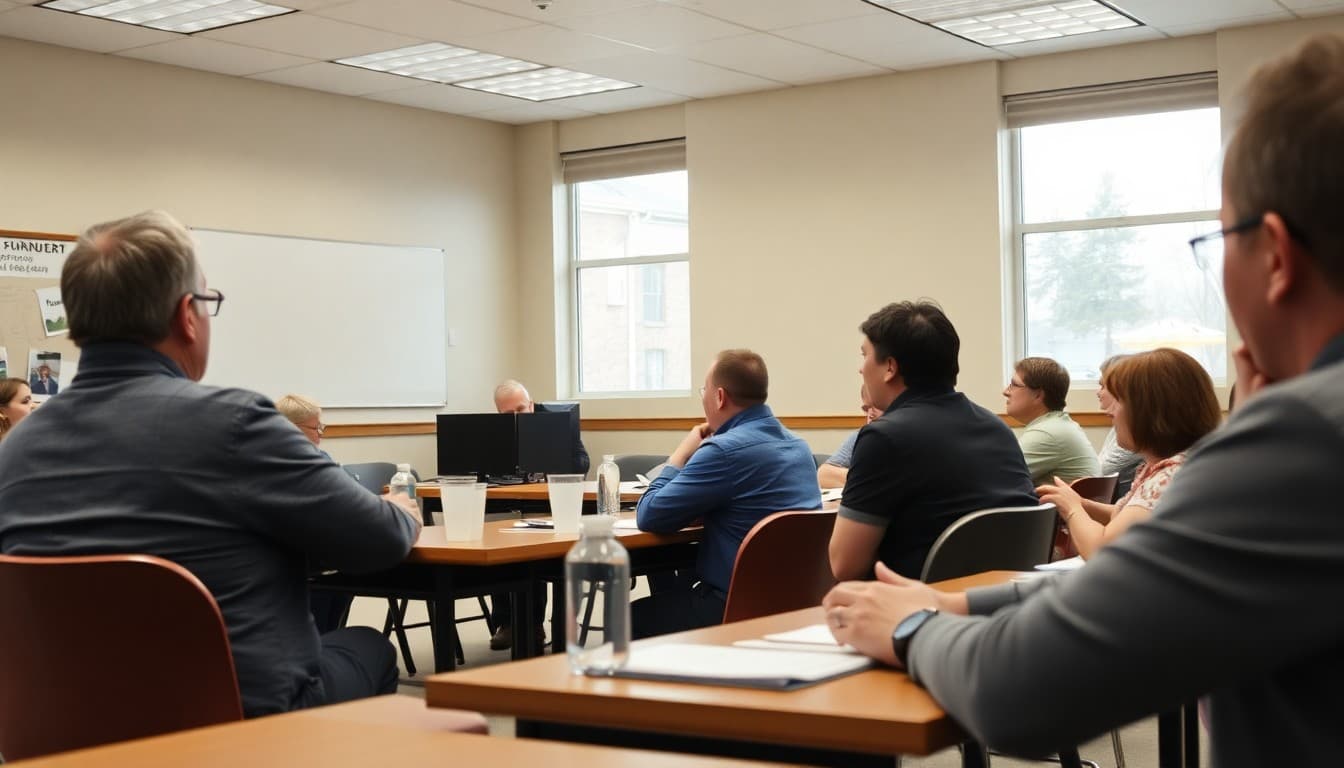
Illinois board meetings can be lengthy and cover many agenda items. Newsletter meeting summaries should focus on the decisions with the most direct effect on students and families, and for each significant item, provide the context a non-insider needs: what was decided, what problem it addresses, what alternatives were considered, and why this path was chosen. In metropolitan Illinois communities where community members may be closely watching board decisions, substantive meeting summaries are an essential component of governance credibility.
Evidence-Based Funding and budget transparency
Illinois's Evidence-Based Funding formula, adopted in 2017, allocates state dollars based on what research suggests adequate funding for each student looks like, adjusted for district need. Each district receives a tier designation that determines how state funding increases are distributed. Board newsletters should explain what tier the district is in, what it means for the local budget, and what additional state funding the district is receiving as EBF is phased in. Families who understand the funding formula are better positioned to advocate with their state legislators for continued investment in EBF phase-in.
Illinois Report Card results and local accountability
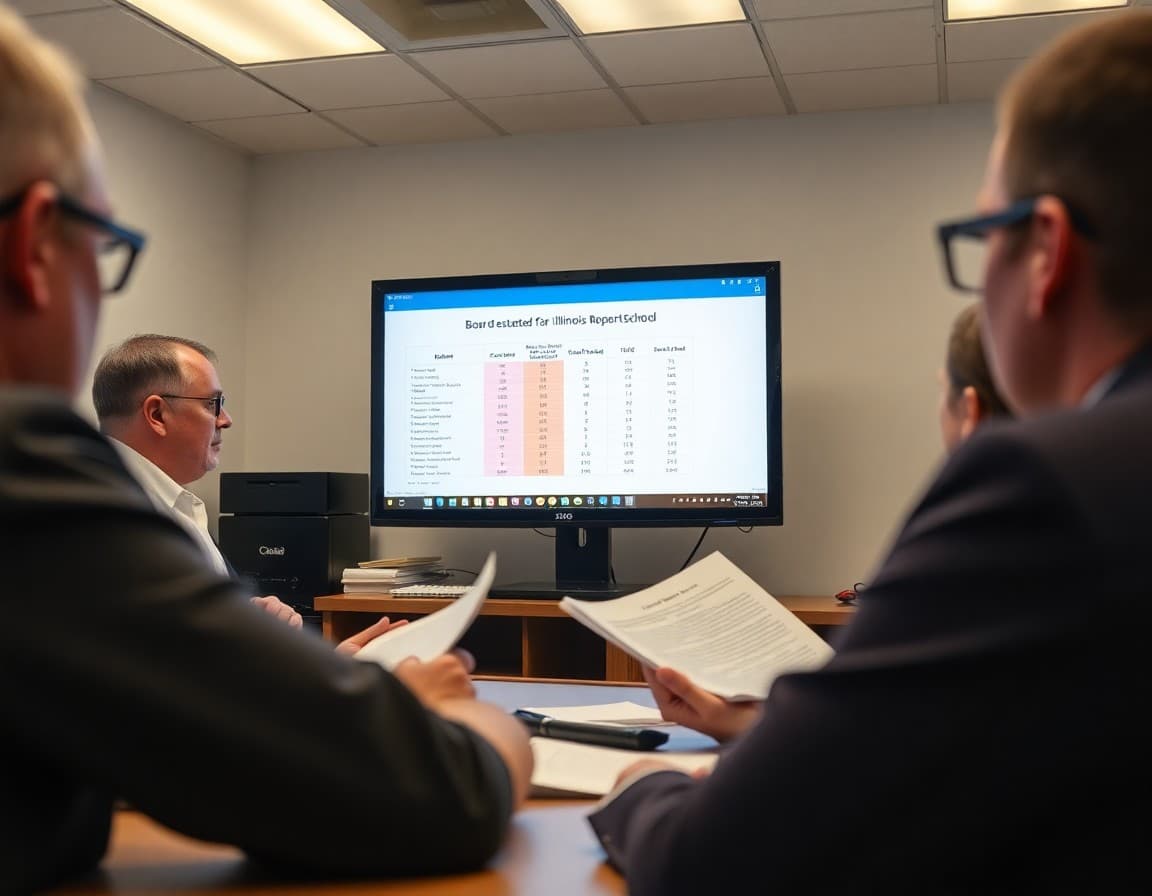
The Illinois Report Card publishes performance data including PSAT, SAT, and science assessments, chronic absenteeism, graduation rates, and other indicators by school, district, and student group. When the annual report card is released, board newsletters should address the results directly. Report what the data shows for the local district and individual schools, explain what it means, and describe what the board is doing in response to areas of underperformance. Illinois communities have easy access to this data, and boards that engage with it proactively are more credible than those that avoid it.
State policy changes and local implementation
Illinois's General Assembly regularly produces education legislation, and the Illinois State Board of Education issues implementing regulations and guidance. When state policy changes affect local families, board newsletters should translate those changes into plain language: what is required, what the district is doing in response, and what families need to know. Boards that serve as accessible interpreters of state policy are more trusted than those that pass along ISBE guidance without local context.
Community participation in Illinois board governance
Illinois's Open Meetings Act ensures that board meetings are accessible to the public and that agendas are posted in advance. Board newsletters should make that access meaningful: preview upcoming agendas, explain significant items coming before the board, and provide clear instructions for attending meetings and submitting public comment. Advisory committee opportunities, community listening sessions, and survey links should be included with specific logistics that make participation real.
Addressing community concerns in official communication
Illinois school boards, particularly in communities with engaged parent populations, often face organized community pressure on specific decisions. When community members have raised concerns in public comment or through other channels, the newsletter is the right place to acknowledge those concerns and explain how the board has considered them. Boards that treat community input as a genuine factor in governance decisions build the trust that makes authority legitimate.
Using Daystage for Illinois board newsletters
Daystage supports Illinois school boards in building a consistent, professional newsletter practice that meets the communication expectations of Illinois's diverse communities. Design a monthly template with standard sections: meeting summary, EBF and budget updates, Illinois Report Card results, and participation opportunities. Boards that publish consistently and communicate with substance build a communication channel that earns genuine trust over time.
Board elections and communication continuity in Illinois
Illinois school board elections occur every two years for staggered terms. Newsletter communication should be designed as an institutional function that persists through membership changes. Introduce new members, acknowledge departing members, and maintain the same structure and publication schedule through election cycles. Families who can count on regular board communication as a stable feature of their district are more likely to engage constructively in governance processes.
Get one newsletter idea every week.
Free. For teachers. No spam.
Frequently asked questions
What should an Illinois school board newsletter include?
Board meeting decisions with explanations, Illinois Report Card performance updates, Evidence-Based Funding tier information, policy changes affecting families, upcoming agenda items, and specific community participation opportunities. Illinois boards that communicate both what was decided and why build stronger community trust than those that announce outcomes without context.
How often should Illinois school boards publish a newsletter?
Monthly publication aligned with the regular board meeting cycle is appropriate for most Illinois boards. The Illinois Education Association recommends consistent board communication as a component of good governance practice. Districts in the Chicago metropolitan area face particularly high community expectations for communication transparency.
How should Illinois boards communicate about the Evidence-Based Funding formula?
Illinois's Evidence-Based Funding formula allocates state education dollars based on district need and adequacy benchmarks. Each district receives a tier designation that affects how much state funding it receives. Board newsletters should explain where the district sits in the EBF tiers, what it means for the budget, and what the board is advocating for in state funding discussions.
How should Illinois boards address the Illinois Report Card?
The Illinois Report Card publishes comprehensive school and district performance data annually. Board newsletters should address this data when it is released: what the data shows, what it means for the district, and what the board is doing in response to areas needing improvement. Proactive communication about report card data is more credible than waiting for community members to raise questions.
How does Daystage support Illinois school board communication?
Daystage gives Illinois school boards a professional newsletter platform for consistent, clear board communication. Build a monthly template with standard sections covering meeting summaries, EBF and budget updates, Illinois Report Card results, and community participation. Boards that publish consistently and communicate substantively build the community trust that makes governance effective in Illinois's diverse school landscape.

Adi Ackerman
Author
Adi Ackerman is a former classroom teacher and curriculum writer with 8 years in K-8 schools. She writes about school communication, parent engagement, and what actually works in real classrooms.
More for School Board
Ready to send your first newsletter?
3 newsletters free. No credit card. First one ready in under 5 minutes.
Get started free