
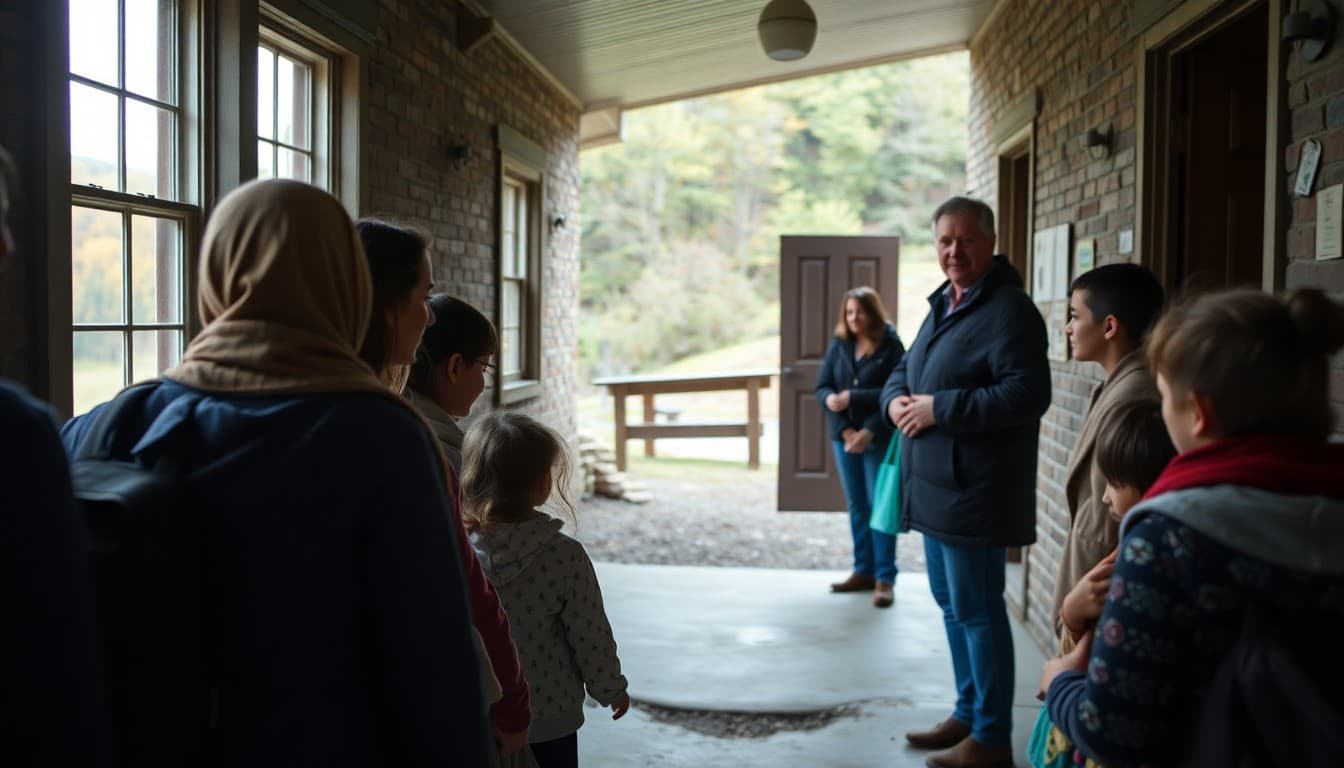
Rural School Communication Strategies for West Virginia Educators
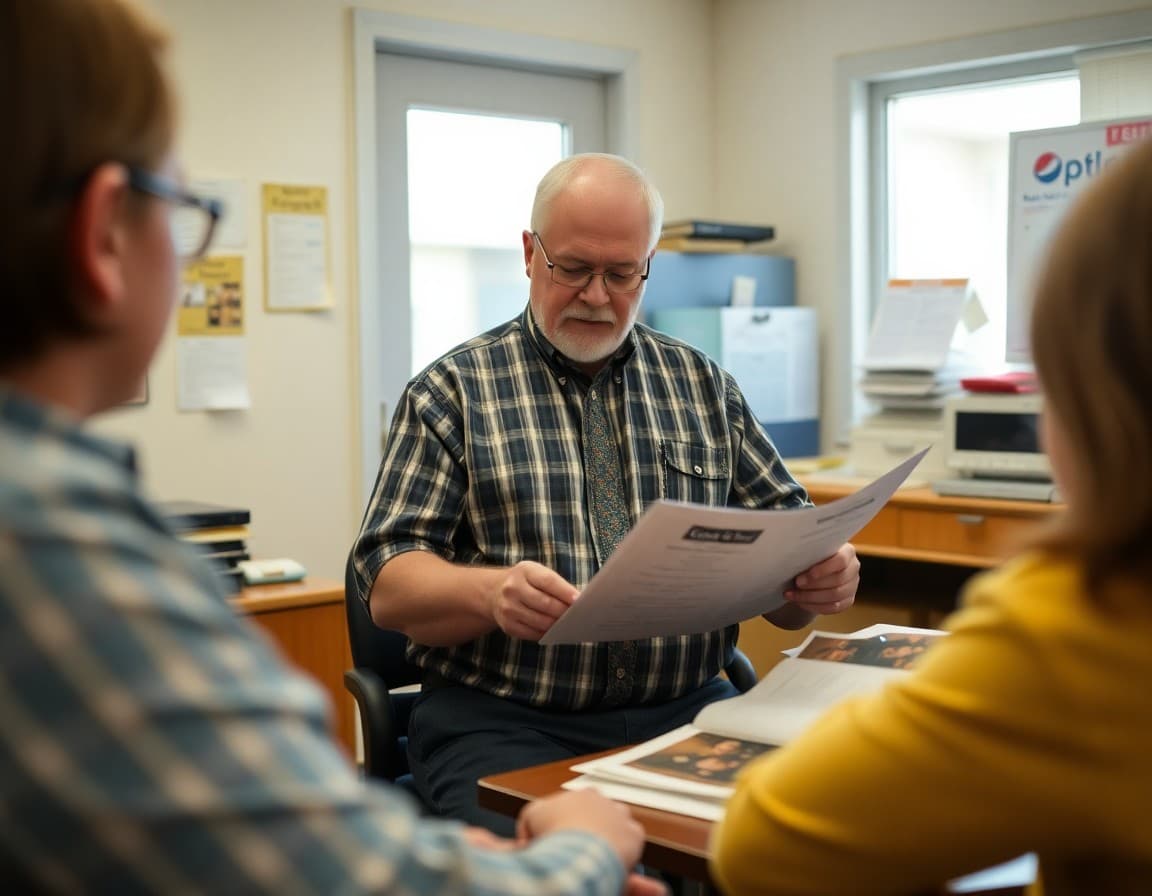
West Virginia has the lowest rural broadband coverage rate in the country and some of the highest child poverty rates. Its coalfield communities in the southern part of the state have been in economic decline for two generations. The communication challenges for West Virginia rural educators are not variations on standard rural school challenges. They are the most severe version of those challenges.
McDowell County and the Southern Coalfields: Paper Is Primary
McDowell, Wyoming, Mingo, and Logan counties have some of the lowest broadband coverage rates in the country and some of the highest poverty rates. Many families do not have home internet. Cell service drops in hollow communities. Paper newsletters sent home with students are the primary communication channel in these communities. Digital supplements for the families who have access. Any system built on digital-first delivery will exclude a significant portion of these families.
Opioid Recovery and Family Stability
West Virginia has the highest drug overdose death rate in the country. Many students in coalfield counties live with grandparents, aunts and uncles, or other relative caregivers because parents are in recovery, incarcerated, or deceased. Communication systems must account for this. Multiple contact points per student. Content and language that reaches grandparent and relative caregivers without assuming a two-parent household. Mental health and family support resource information in every newsletter, presented without judgment.
Trust in Communities That Have Seen Institutional Failure
West Virginia's coalfield communities have experienced generations of promises from corporations, government agencies, and institutions that were not kept. The school that communicates honestly about what it can and cannot do, that follows through on what it says, and that treats families with genuine respect builds the trust that makes other communication effective. A newsletter that pretends the community's challenges do not exist, or that uses institutional optimism to paper over real hardship, does not build trust here.
Food and Economic Resource Information as Core Content
West Virginia food insecurity is among the highest in the country. Free breakfast and lunch information, summer food sites, food bank locations, and utility assistance program contacts should be in every newsletter. Write these items simply, specifically, and without stigma. In communities where economic hardship is the norm rather than the exception, presenting food resources as normal school services is the only register that works.
Eastern Panhandle: Different Context, Different Approach
The Eastern Panhandle counties of Jefferson, Berkeley, and Morgan are commuter communities in the Washington-Baltimore orbit. These areas have better broadband, less poverty, and different communication needs than the coalfields. A West Virginia rural educator in Martinsburg is not dealing with the same communication context as one in Welch or Williamson. Regional specificity matters.
Winter Road Conditions and Weather Communication
West Virginia mountain communities deal with significant winter weather. Steep hollow roads become ice-covered and impassable. School closures happen regularly. The communication protocol should be established before the first storm: which channels are used, what time decisions are announced, and what families in the most remote hollows should do when roads are closed.
Title I Documentation in Severely Under-Resourced Districts
West Virginia has a very high concentration of Title I schools. Annual distribution of parent involvement policies and school-parent compacts is required. For schools with extremely limited administrative staff, having these as newsletter template sections reduces the burden. Daystage tracks which families have opened which issues.
West Virginia rural educators who design communication for their community's real infrastructure, family stability challenges, and historical context build stronger engagement than those using systems designed for more connected, more resourced environments. The newsletter is one piece of that communication system, and in the coalfields, paper is still the most important piece.
Get one newsletter idea every week.
Free. For teachers. No spam.
Frequently asked questions
What communication challenges are specific to West Virginia rural schools?
West Virginia consistently ranks last in rural broadband coverage. The coalfield counties of McDowell, Wyoming, and Mingo have some of the highest poverty rates in the country. Hollow topography blocks cell signal in many communities. The opioid crisis has significantly affected family stability. Many schools serve students in grandparent or relative caregiver households.
How should West Virginia coalfield school educators approach family communication?
McDowell and Logan county communities have experienced decades of economic decline following coal industry contraction. Many families are navigating poverty, opioid recovery, and limited employment options. Short, practical newsletters with resource information build more trust than institutional reports. Communication that demonstrates genuine knowledge of and respect for the community is more credible than communication that treats these communities as generic high-need populations.
What digital access barriers do West Virginia rural educators face?
West Virginia has the worst rural broadband coverage of any state. Hollow topography makes cable and fiber deployment expensive. Cell towers miss many valleys. Many families have no home internet and no cellular data. Paper newsletters sent home with students are the primary communication channel for a significant portion of West Virginia rural families.
How do West Virginia rural schools communicate with families affected by the opioid crisis?
West Virginia has the highest drug overdose death rate in the country. Schools serve students whose parents may be in recovery or who are living with grandparents or other relatives due to parental addiction or incarceration. Communication systems need multiple contact points per student, content that reaches non-parent caregivers, and mental health resource information that appears consistently and without judgment.
What newsletter tool works for West Virginia rural schools with extremely limited connectivity?
Daystage helps West Virginia rural educators send lightweight newsletters and track which families engage with them. Schools use it alongside paper distribution systems. For the most isolated communities, the platform sends communications that load on minimal cellular connections, and open-rate tracking identifies families who need a paper copy.

Adi Ackerman
Author
Adi Ackerman is a former classroom teacher and curriculum writer with 8 years in K-8 schools. She writes about school communication, parent engagement, and what actually works in real classrooms.
More for Rural & Title I
West Virginia Rural School Newsletter Guide for Coalfield and Mountain Communities
Rural & Title I · 6 min read
Title I School Family Communication in West Virginia
Rural & Title I · 6 min read
Rural School Mental Health Newsletter: Communicating Limited Resources and Creative Solutions
Rural & Title I · 7 min read
Ready to send your first newsletter?
3 newsletters free. No credit card. First one ready in under 5 minutes.
Get started free