
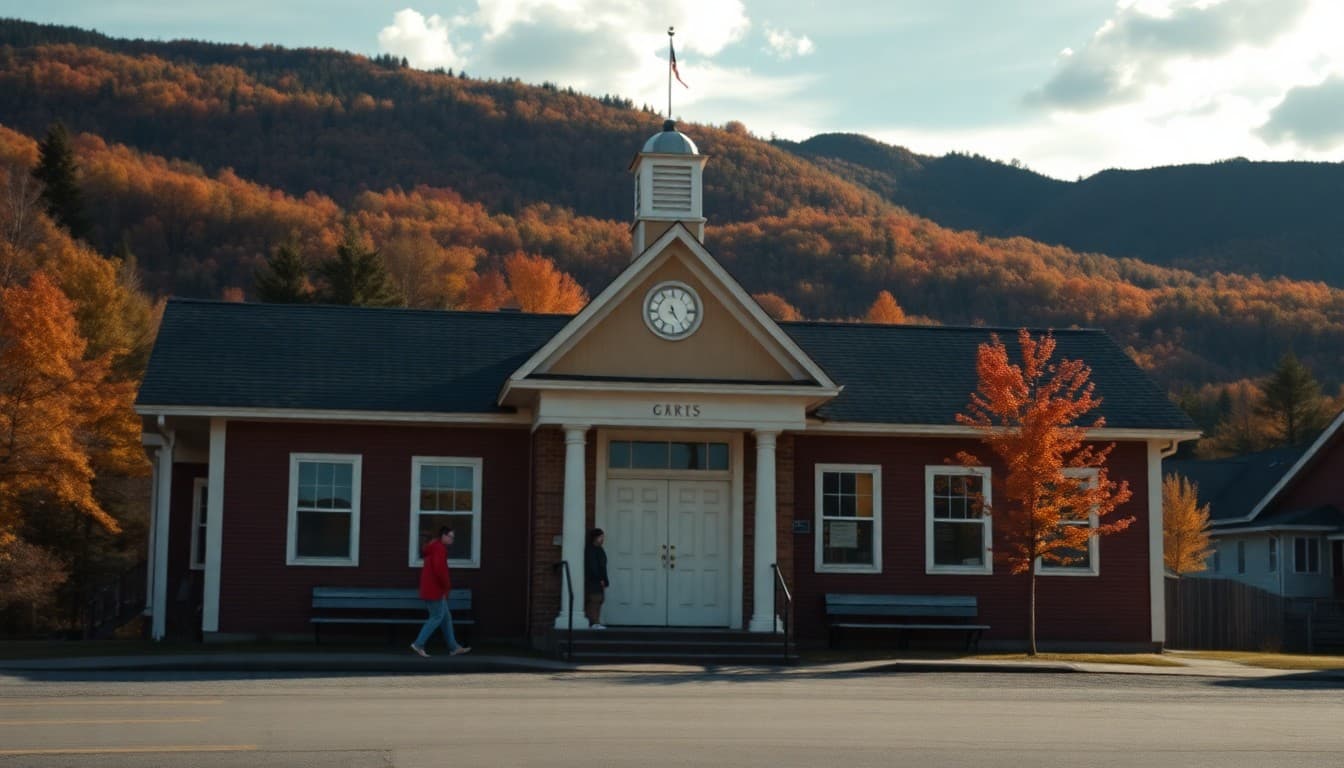
Vermont Rural School Newsletter Guide for Northeast Kingdom and Rural Town Schools
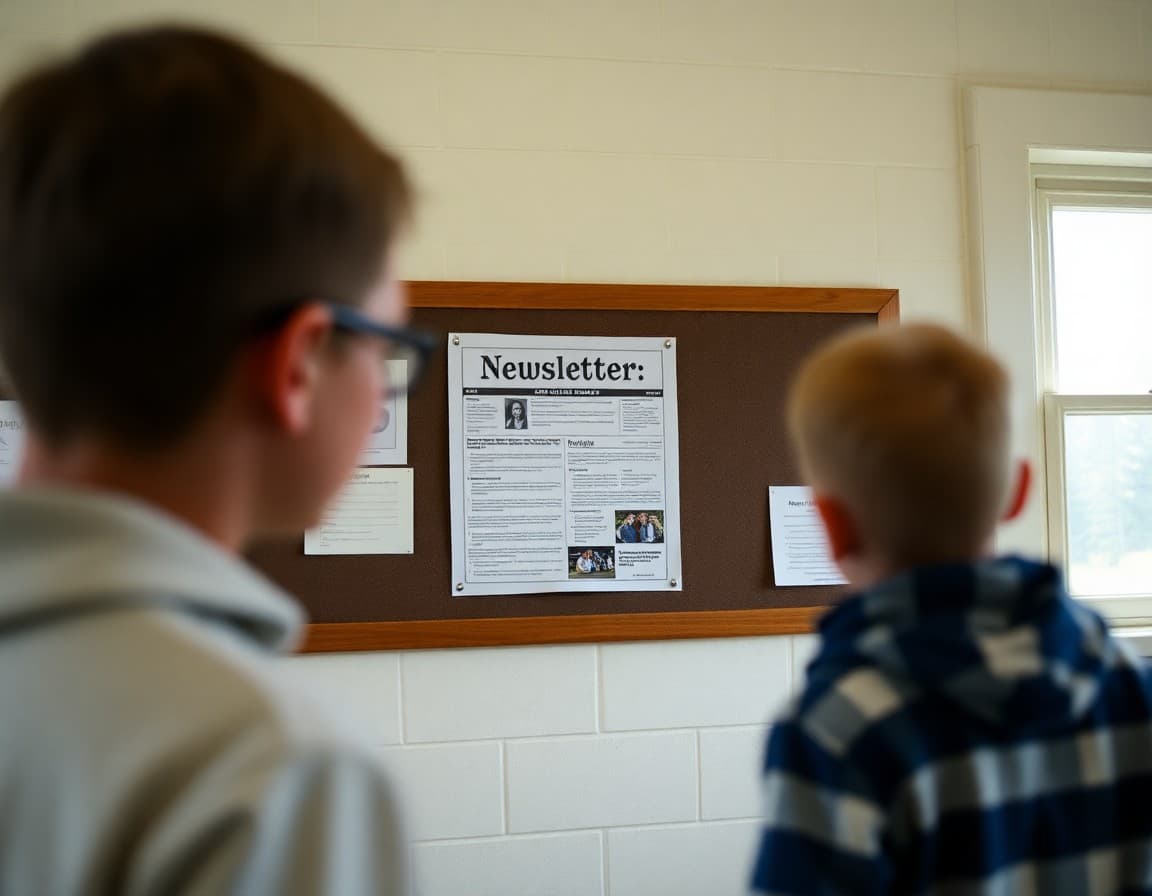
A teacher in Lunenburg, Vermont, in the Northeast Kingdom, sends a newsletter that sounds like it was written for the specific community she serves, because it was. She knows which families have home internet and which do not. She knows which students need a printed copy sent home. She has been teaching in the same town for 11 years. Her newsletter sounds like a neighbor talking, not a school district communicating. That is the tone that works in Vermont hill towns.
Vermont's Rural School Communication Landscape
Vermont has the second-highest percentage of rural residents in the country, behind only Maine. The Northeast Kingdom, covering Essex, Orleans, and Caledonia counties, is the most rural region in an already rural state. Small towns across Vermont's Green Mountains and Champlain Valley have schools serving 50 to 200 students, families who have lived in the area for generations, and communities where most people know each other. The newsletter in these communities serves a different function than in a suburban district with 10,000 students.
Northeast Kingdom: Broadband Gaps and Economic Stress
Essex County is one of the most economically stressed counties in Vermont, with limited broadband, declining dairy farming, and few employment alternatives. Some hill towns in Essex and Orleans counties have no reliable cell coverage in valleys. Families here rely on satellite internet or dial-up in the most remote locations. Plain-text email newsletters are the only digital format that reaches these families reliably. Printed copies, distributed through the school, the post office, and the general store, cover offline families.
Winter Weather Communication in Vermont
Vermont schools close for snow, ice, and extreme cold regularly throughout the winter. A standing closure protocol section in every newsletter from October through April tells families how notifications happen, what the meal plan is for closure days, and any remote learning expectations. Vermont families who are farming, logging, or working construction understand winter disruption as a fact of life. A clear closure protocol in the newsletter respects that understanding.
Small School Communication: Personalizing the Newsletter
In a Vermont school with 60 students, the newsletter can be more personal than a district template allows. Using student names in highlights, acknowledging community events like the town meeting or the maple sugar season, and writing in a voice that sounds like a neighbor rather than an institution builds the community trust that produces strong family engagement. Vermont families expect their school to know their community. The newsletter is how the school demonstrates that knowledge every week.
What Every Vermont Rural School Newsletter Should Include
Five items per issue: key dates, winter weather closure protocol from October through April, meal program information, one Title I or school resource notice, and a student or community recognition. For Northeast Kingdom schools, keep format brief and personal. Keep total reading time under three minutes. Vermont families appreciate directness and will not read a newsletter that sounds like a district press release.
Food Security in Vermont Rural Communities
Vermont has food insecurity concentrated in its rural counties and some post-industrial communities. Northeast Kingdom families face economic stress from declining farm income and limited employment alternatives. Newsletters that communicate free meal availability plainly give families the information they need: "Free breakfast at 7:30. Free lunch. No form required." In a community where people know each other, the newsletter is how families learn about programs they might be too proud to ask about directly.
Title I Requirements in Small Vermont Schools
Vermont Title I schools must distribute their parent engagement policy and school-parent compact. In small Vermont schools where teachers know every family personally, framing these as community agreements rather than compliance documents reflects the school's actual relationship with its families. Quarterly newsletter inserts with plain-language summaries cover the requirement. Daystage makes it easy to save these as reusable template blocks.
Vermont rural schools that build newsletters with a community voice, winter-aware procedures, and practical resource information reach the families who most need consistent school communication. The newsletter is how a small Vermont school stays present in the lives of families who are, literally, neighbors.
Get one newsletter idea every week.
Free. For teachers. No spam.
Frequently asked questions
What communication challenges do Vermont rural schools face?
Vermont's Northeast Kingdom counties, including Essex, Orleans, and Caledonia, have significant broadband gaps, geographic isolation, and economic stress from the decline of farming and manufacturing. Some hill towns have very small schools with fewer than 50 students, serving families spread across mountainous terrain with limited connectivity.
How do Vermont rural schools handle broadband gaps?
Essex County has some of the lowest broadband penetration in New England. Plain-text email newsletters paired with printed copies for offline families is the appropriate standard. The post office, the general store, and the town hall are reliable distribution points for printed newsletters in Vermont hill towns.
How should Vermont schools adjust newsletters for Vermont's very small schools?
Many Vermont rural schools have fewer than 100 students and serve communities where most families know each other. The newsletter can be more personal and community-specific than a district template allows. Write it as if you are writing to neighbors, because you are.
What content is most important for Vermont rural families?
Winter weather closure procedures, meal program information, SBAC testing schedules, and any school event information are highest priority. Vermont winters regularly close schools, and families need a reliable closure protocol they can find in the newsletter.
What newsletter tool works for Vermont rural schools?
Daystage delivers lightweight newsletters and tracks open rates. For Vermont's small rural schools, the analytics help identify which families need printed copies or direct outreach.

Adi Ackerman
Author
Adi Ackerman is a former classroom teacher and curriculum writer with 8 years in K-8 schools. She writes about school communication, parent engagement, and what actually works in real classrooms.
More for Rural & Title I
Rural School Newsletter Guide: Communication Strategies for Small and Remote Schools
Rural & Title I · 7 min read
Rural School Weather Closure Newsletter: How Schools Communicate Closures and Emergency Decisions
Rural & Title I · 5 min read
Title I Parent Engagement Newsletter: Meeting Federal Requirements While Building Real Connections
Rural & Title I · 8 min read
Ready to send your first newsletter?
3 newsletters free. No credit card. First one ready in under 5 minutes.
Get started free