

Texas Rural School Newsletter Guide for Border, Colonias, and Rural County Schools
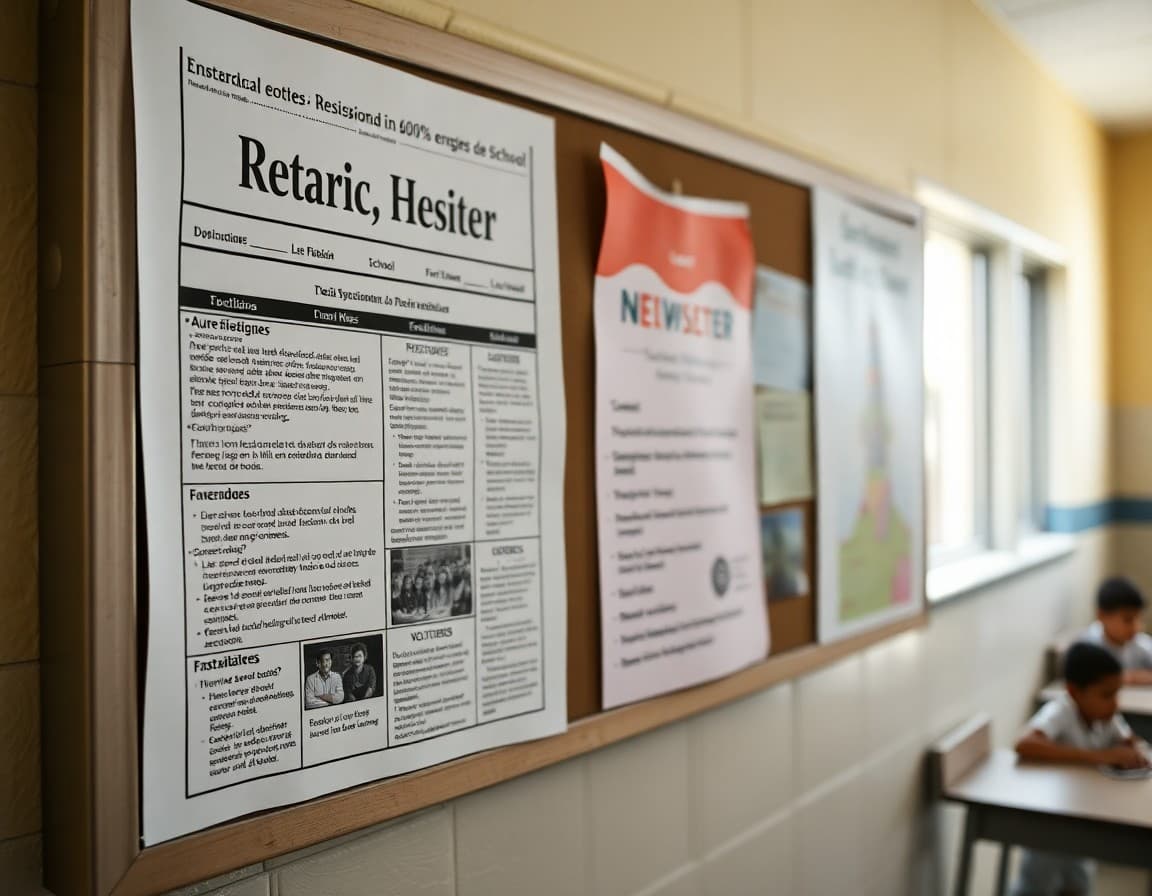
A teacher in Starr County, Texas, one of the highest-poverty counties in the United States, writes her newsletter in Spanish. Her school serves families living in colonias outside Rio Grande City, where some homes do not have running water or reliable electricity. Her newsletter is printed at the school every Friday because she knows the digital version will not reach most of her families. She is not working around the system. She built the right system for where she works.
Texas's Rural School Communication Landscape
Texas has the most geographically and economically diverse rural school landscape in the country. The Rio Grande Valley, from El Paso to Brownsville, is home to colonias communities with extremely limited infrastructure. West Texas has school districts in Loving, King, and Kenedy counties that may have fewer than 200 students spread across thousands of square miles. East Texas has pine forest communities with broadband gaps and working-class families. Each requires a completely different communication approach.
Border and Colonias Schools: Spanish First, Infrastructure Second
Colonias communities near Laredo, McAllen, and El Paso have families for whom Spanish is the primary and often only home language. Electricity is unreliable in some colonias. Internet access is limited. Printed newsletters are the most reliable communication channel. A printed Spanish-language newsletter distributed at school pickup, at the local tienda, and at the parish covers most families. For digital delivery, a plain-text email under 10KB loads on any mobile connection.
Rio Grande Valley School Communication
Starr, Zapata, Brooks, and Jim Hogg counties have poverty rates among the highest in the nation. Schools here serve families who may work in agriculture, informal economy, or cross-border commerce. A Spanish-first bilingual newsletter is standard. STAAR testing information, meal program reminders, and Title I program availability are the highest-priority content. For families who move between the US and Mexico seasonally, re-enrollment information should appear in every issue.
West Texas: Geographic Isolation and Small Districts
Loving County, the least-populated county in the continental United States, has a single school serving fewer than 100 students. Kenedy and King counties have similar characteristics. Ranch families here may be 60 miles from the school. The school bus is the primary newsletter distribution channel. Plain-text email for families with satellite internet, printed copies through the bus for those without, is the complete communication system.
What Every Texas Rural School Newsletter Should Include
Five items per issue: key dates, meal program information, one Title I resource notice, STAAR testing schedule in spring, and a student or community recognition. For border and Valley schools, include Spanish version as standard and re-enrollment contact monthly. For West Texas schools, keep the format to one page and include bus route information. Keep total reading time under three minutes.
Food Security in Texas Border Communities
Texas colonias and Rio Grande Valley communities have food insecurity rates among the highest in the country. Newsletters that put free meal information first, in Spanish, give families the most critical practical information the school can provide. Write it directly: "Desayuno y almuerzo son gratis para todos los estudiantes. No se necesita ninguna forma." Then in English below.
Title I Requirements and the Newsletter
Texas Title I schools must distribute their parent engagement policy, school-parent compact, and annual report. For border schools with large EL populations, Spanish translation of these documents is legally required. The newsletter handles this distribution efficiently. Quarterly inserts in both languages cover the requirement. Daystage makes it easy to add these as reusable template blocks.
Texas rural schools that build newsletters for their community's actual language, infrastructure, and geographic conditions reach the families who most need consistent school communication. In colonias communities where the school may be the most reliable institution families interact with, the newsletter is how that reliability shows up in families' lives every week.
Get one newsletter idea every week.
Free. For teachers. No spam.
Frequently asked questions
What communication challenges are specific to Texas rural schools?
Texas has the most geographically diverse rural school landscape in the country. Rio Grande Valley colonias have some of the lowest-income communities in the US alongside very limited infrastructure. West Texas ranching counties like Loving and Kenedy are the most geographically isolated school districts in the country. All of these contexts require newsletters designed for their specific conditions.
How should Texas border schools handle Spanish-speaking families?
In the Rio Grande Valley and the colonias, Spanish is the primary home language for most families. A Spanish-first bilingual newsletter is not an accommodation. It is the correct default. For Title I rights and enrollment notices, full Spanish translation is legally required and practically essential.
What are colonias and why do they create specific newsletter challenges?
Colonias are unincorporated communities near the US-Mexico border with limited infrastructure, including unreliable electricity, limited internet access, and unpaved roads. Schools serving colonia families need printed newsletters distributed through the school and community gathering points, and digital newsletters designed for mobile data with strict size limits.
What content is most important for Texas rural families?
STAAR testing schedules, meal program information, Title I program availability, and bus route information are highest priority. For border community schools, enrollment and re-enrollment procedures are also critical for families who move between the US and Mexico.
What newsletter tool works for Texas rural schools?
Daystage delivers lightweight newsletters and tracks open rates. For Texas border and colonias schools, the ability to manage bilingual layouts consistently saves significant time and the analytics identify which families need printed copies.

Adi Ackerman
Author
Adi Ackerman is a former classroom teacher and curriculum writer with 8 years in K-8 schools. She writes about school communication, parent engagement, and what actually works in real classrooms.
More for Rural & Title I
Rural School Newsletter Guide: Communication Strategies for Small and Remote Schools
Rural & Title I · 7 min read
Rural School Bilingual Family Newsletter: How Schools Communicate Across Language Barriers
Rural & Title I · 5 min read
Title I Parent Engagement Newsletter: Meeting Federal Requirements While Building Real Connections
Rural & Title I · 8 min read
Ready to send your first newsletter?
3 newsletters free. No credit card. First one ready in under 5 minutes.
Get started free