
Rural School Communication Strategies for South Carolina Educators
South Carolina's rural school communities span the flat tobacco country of the Pee Dee, the sea island Lowcountry with its Gullah Geechee heritage, and the industrial Upstate with its growing Hispanic populations. Each region requires communication strategies built for its specific community, not for a generic rural school audience.
Pee Dee: Poverty, Connectivity, and Direct Communication
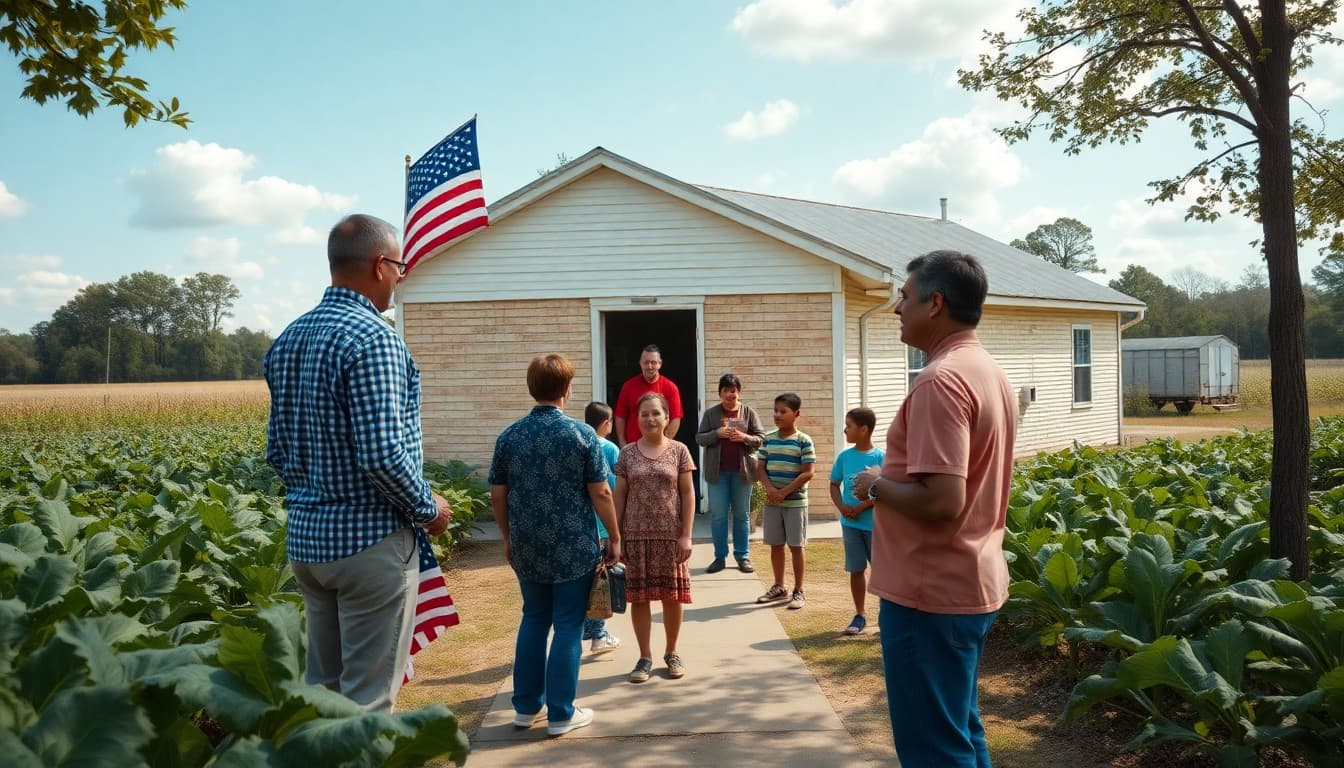
Marion, Dillon, Marlboro, and Williamsburg counties in the Pee Dee have child poverty rates among the highest in the state. Broadband coverage is limited. Many families work in agricultural or manufacturing jobs with limited flexibility in their schedules. Paper newsletters are the most reliable delivery channel for a significant portion of these families. Short, direct, resource-rich newsletters that consistently include food program information, school resource access, and community support services build genuine value for these families.
Lowcountry: Gullah Geechee Identity and Cultural Partnership
Sea island communities in Beaufort, Colleton, and Hampton counties have Gullah Geechee cultural heritage with roots in West African traditions maintained through centuries of relative geographic isolation. The school newsletter that references Gullah cultural events, the Penn Center's community role, and Gullah language acknowledgments builds a different kind of engagement than a standard institutional communication. Working with Gullah community elders and cultural organizations for communication partnership is the approach that builds long-term trust.
Upstate: Hispanic Manufacturing and Agricultural Communities
The rural Upstate counties surrounding Greenville and Spartanburg have significant Hispanic populations tied to BMW, Michelin, and poultry processing plants, as well as peach farming. Spanish newsletters or bilingual summaries are the baseline for schools with significant Spanish-speaking enrollment. Many of these families have been in the Upstate for a generation. Others are newer arrivals. Both deserve communication in Spanish.
Hurricane Season Communication
South Carolina is regularly affected by Atlantic hurricanes and tropical systems. Even inland schools can face flooding and wind damage. The communication protocol for hurricane season should be in the first newsletter of the year: which channels are used for closures, what time decisions are announced, and what the evacuation options are for families without transportation.
Food Resource Communication
South Carolina's rural counties have significant food insecurity. Free meal program information, summer food sites, and school pantry access should appear in newsletters consistently. Write these items without stigma language. In communities where food insecurity is common, presenting food resources as normal school services removes the barrier of asking.
Title I Documentation Across High-Need Districts
South Carolina has a high concentration of Title I schools in rural counties. Annual distribution of parent involvement policies and school-parent compacts is required. The newsletter is the delivery vehicle. Daystage tracks which families have opened which communications.
Church and Community Center Distribution
Black churches in the Pee Dee and Lowcountry remain community anchors. Posting newsletters with permission at church fellowship halls and community centers reaches families who do not check email. In Gullah communities, the community center and the cultural organization offices serve this function.
South Carolina rural educators who design communication for their specific regional context, from Gullah cultural partnership to bilingual outreach to paper-first systems in the Pee Dee, build stronger family engagement and better Title I outcomes.
Get one newsletter idea every week.
Free. For teachers. No spam.
Frequently asked questions
What communication challenges are specific to South Carolina rural schools?
The Pee Dee region in northeastern South Carolina has high poverty rates and limited broadband in many counties. The Lowcountry has Gullah Geechee communities with distinct cultural identity and communication traditions. The Upstate has growing Hispanic populations tied to manufacturing and agricultural industries. Hurricane season creates weather communication urgency across coastal and inland counties.
How should South Carolina Lowcountry school educators approach Gullah Geechee family communication?
Gullah Geechee communities on the sea islands and coastal areas have distinct cultural identity rooted in African heritage. Communication that acknowledges this identity and works through community cultural institutions builds more genuine engagement than standard institutional newsletters. The Gullah cultural calendar, community events, and historical references in the newsletter signal respect for community heritage.
How do South Carolina rural schools communicate with Spanish-speaking families in the Upstate?
The Greenville-Spartanburg Upstate region has significant Hispanic populations tied to manufacturing, poultry processing, and agricultural industries. Rural Upstate schools serving these families need Spanish newsletters or bilingual summaries. The community is well-established and growing, and English-only communication excludes a significant portion of the family population.
What digital access barriers do South Carolina rural educators face?
Pee Dee counties like Marion, Dillon, and Marlboro have some of the highest poverty rates and lowest broadband coverage rates in the state. Many families rely on mobile data. Paper newsletters sent home with students remain essential for families without reliable digital access.
What newsletter tool supports South Carolina rural school communication across diverse regions?
Daystage lets South Carolina rural educators send bilingual newsletters and track which families are engaging with communications. Schools use it to manage multilingual content, identify families who need printed copies, and document Title I family engagement activities.

Adi Ackerman
Author
Adi Ackerman is a former classroom teacher and curriculum writer with 8 years in K-8 schools. She writes about school communication, parent engagement, and what actually works in real classrooms.
More for Rural & Title I
Ready to send your first newsletter?
3 newsletters free. No credit card. First one ready in under 5 minutes.
Get started free