
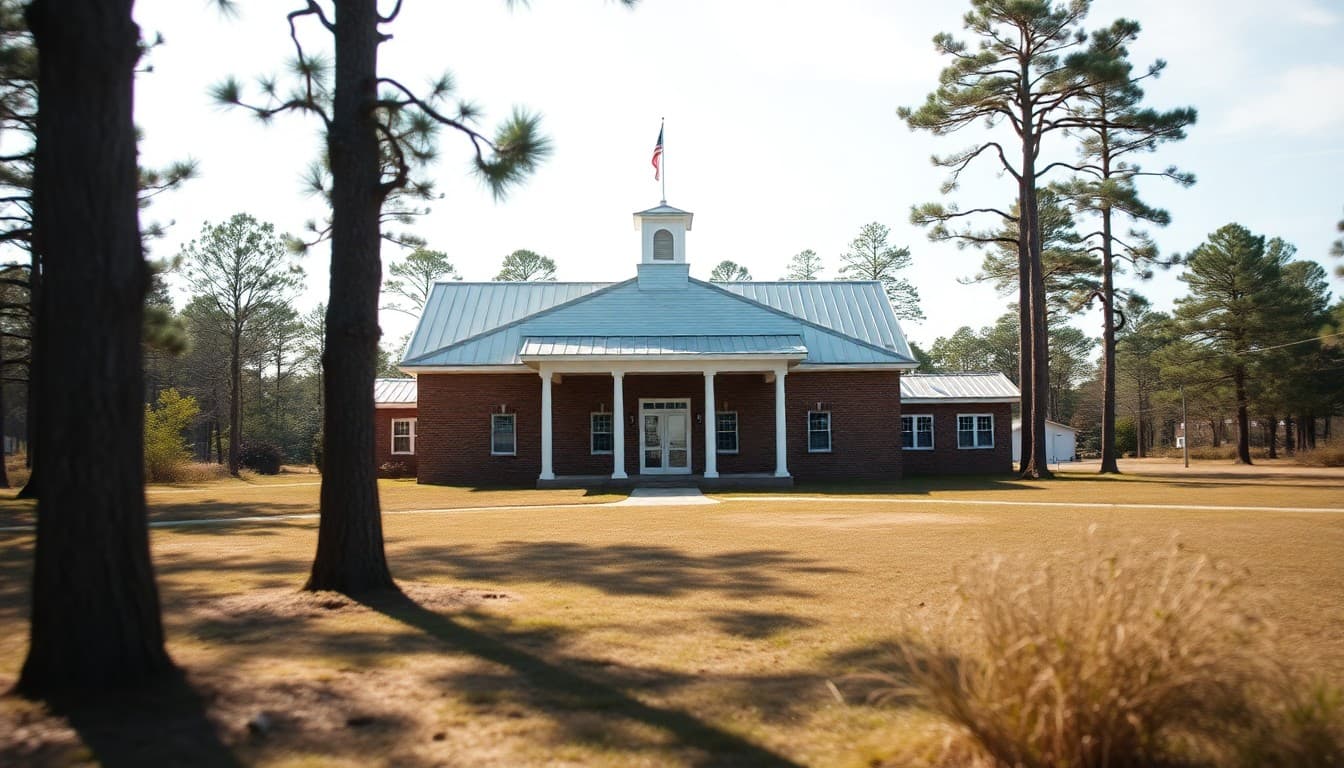
South Carolina Rural School Newsletter Guide for Lowcountry and Pee Dee Communities
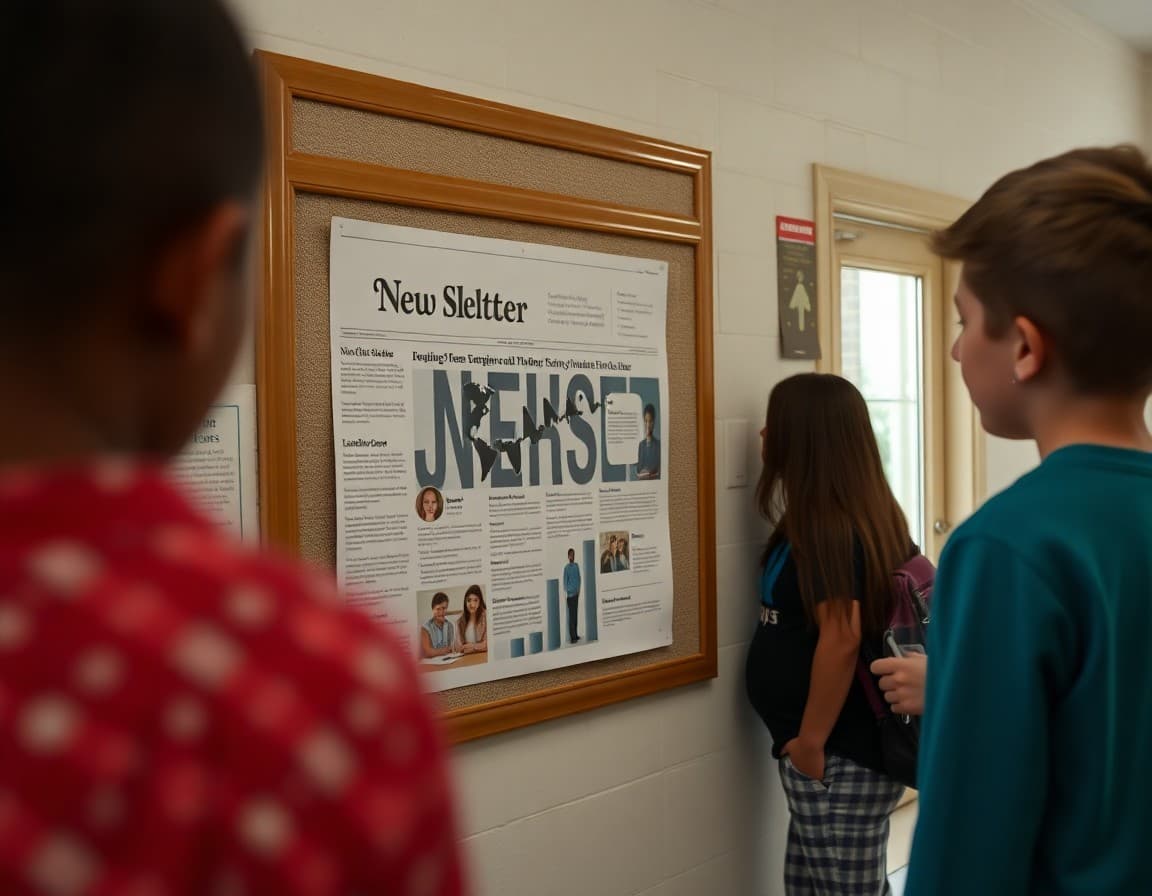
A teacher in Marion County, South Carolina knows her newsletter is the most consistent communication she has with some families. Marion County has food insecurity rates among the highest in South Carolina and broadband access among the lowest. She designs her newsletter for the families without internet first, then adapts for digital delivery. Plain language, one page, three to five items. The digital version is the adaptation. The printed version is the original.
South Carolina's Rural School Communication Landscape
South Carolina has a cluster of persistent-poverty rural counties sometimes called the "Corridor of Shame," stretching from the Pee Dee in the northeast through the Lowcountry in the south. Marion, Marlboro, Dillon, Allendale, and Jasper counties have some of the highest poverty rates and lowest school funding levels in the Southeast. These schools serve families who need consistent, practical communication from the school but face significant barriers to receiving it.
Pee Dee Region: Poverty, Limited Broadband, and Practical Communication
Marion, Marlboro, and Dillon counties have broadband penetration rates well below the state average. Many families rely on prepaid mobile phones with data caps, and some have no digital access at all. The newsletter that works here is designed for the offline family first: one page, plain text email, three to five critical items, printed copies for all offline families. Anything that requires broadband to receive is a newsletter that misses the families who most need it.
Lowcountry Schools: Hurricane Season Communication
Beaufort and Jasper counties in the Lowcountry are in the hurricane path and have experienced significant storm impacts. Every newsletter from June through November should include a standing section on hurricane procedures: how families will be notified of school closures and evacuations, what happens to meals during extended storm-related closures, and how to re-enroll if the family is displaced. For families without reliable digital communication, the printed newsletter may be the primary source of this information.
Food Security as Newsletter Priority
Allendale County has consistently ranked as the poorest county in South Carolina. Marion, Marlboro, and Barnwell counties are not far behind. In these communities, free meal information is not administrative notice. It is the most important practical content the newsletter can include. Put it first: "Free breakfast at 7:15 every morning. Free lunch. No form required." Families who are managing food insecurity read the resource information first. Meeting them there builds the relationship for everything else.
What Every South Carolina Rural School Newsletter Should Include
Five items per issue: food and resource information first for Pee Dee and Allendale schools, then key dates, meal program reminder, one Title I resource notice, and a student recognition. For Lowcountry schools, add hurricane protocol from June through November. Keep total reading time under three minutes.
Title I Communication Requirements
South Carolina Title I schools must distribute their parent engagement policy, school-parent compact, and annual report. In communities with lower adult literacy rates, a 5th-grade reading level summary in plain language makes these documents accessible. Quarterly newsletter inserts with a summary and a phone number for questions cover the legal requirement. Daystage makes it easy to add these as reusable template blocks quarterly.
Community Distribution Points in Rural South Carolina
Churches are the most trusted community institutions in many South Carolina rural communities. Dollar General stores, the county health department, and any community action agency offices are reliable places to post printed newsletters. The county library is also a useful distribution point and serves families who come in for internet access. Building a community posting network extends the newsletter's reach to families that digital delivery cannot touch.
Measuring Newsletter Effectiveness
Open-rate analytics identify families consistently not engaging with digital newsletters. In small South Carolina rural schools where most families are known by name, this data drives direct action. A printed copy home with the student, a phone call from the front office, or a word through a trusted community contact closes the gap before it becomes a larger disconnection. Daystage makes this data available without requiring technical expertise.
South Carolina rural schools that build newsletters calibrated to their community's poverty level, digital access, and seasonal weather risks serve families in a way that builds real trust. The newsletter is the weekly demonstration that the school sees its community and is paying attention.
Get one newsletter idea every week.
Free. For teachers. No spam.
Frequently asked questions
What communication challenges are specific to South Carolina rural schools?
The Pee Dee region, including Marion, Marlboro, and Dillon counties, has persistent poverty, limited broadband, and school communities with long histories of economic marginalization. Lowcountry counties like Allendale and Jasper have similar challenges. Limited broadband and working families with long hours are the primary communication barriers.
How do South Carolina rural schools bridge digital access gaps?
The two-track system, digital email for families with any internet access and printed copies for offline families, is the appropriate permanent approach for schools in Pee Dee and Lowcountry communities. Community distribution through churches, health departments, and Dollar General stores extends printed reach.
How do hurricane-prone Lowcountry schools handle weather communication?
Beaufort and Jasper counties are in the hurricane path regularly. Every newsletter from June through November should include the school's hurricane and evacuation protocol: how families will be notified, what re-enrollment looks like after displacement, and meal availability during extended closures.
What content is most important for South Carolina rural families?
Free meal information, Title I program availability, SC READY testing schedules, and bus route changes are highest priority. Hurricane procedures from June through November are also essential for Lowcountry schools.
What newsletter tool works for South Carolina rural schools?
Daystage sends lightweight newsletters and tracks open rates. The analytics help SC rural teachers identify which families need printed copies or direct phone follow-up.

Adi Ackerman
Author
Adi Ackerman is a former classroom teacher and curriculum writer with 8 years in K-8 schools. She writes about school communication, parent engagement, and what actually works in real classrooms.
More for Rural & Title I
Rural School Newsletter Guide: Communication Strategies for Small and Remote Schools
Rural & Title I · 7 min read
Title I Parent Engagement Newsletter: Meeting Federal Requirements While Building Real Connections
Rural & Title I · 8 min read
Rural School Weather Closure Newsletter: How Schools Communicate Closures and Emergency Decisions
Rural & Title I · 5 min read
Ready to send your first newsletter?
3 newsletters free. No credit card. First one ready in under 5 minutes.
Get started free