
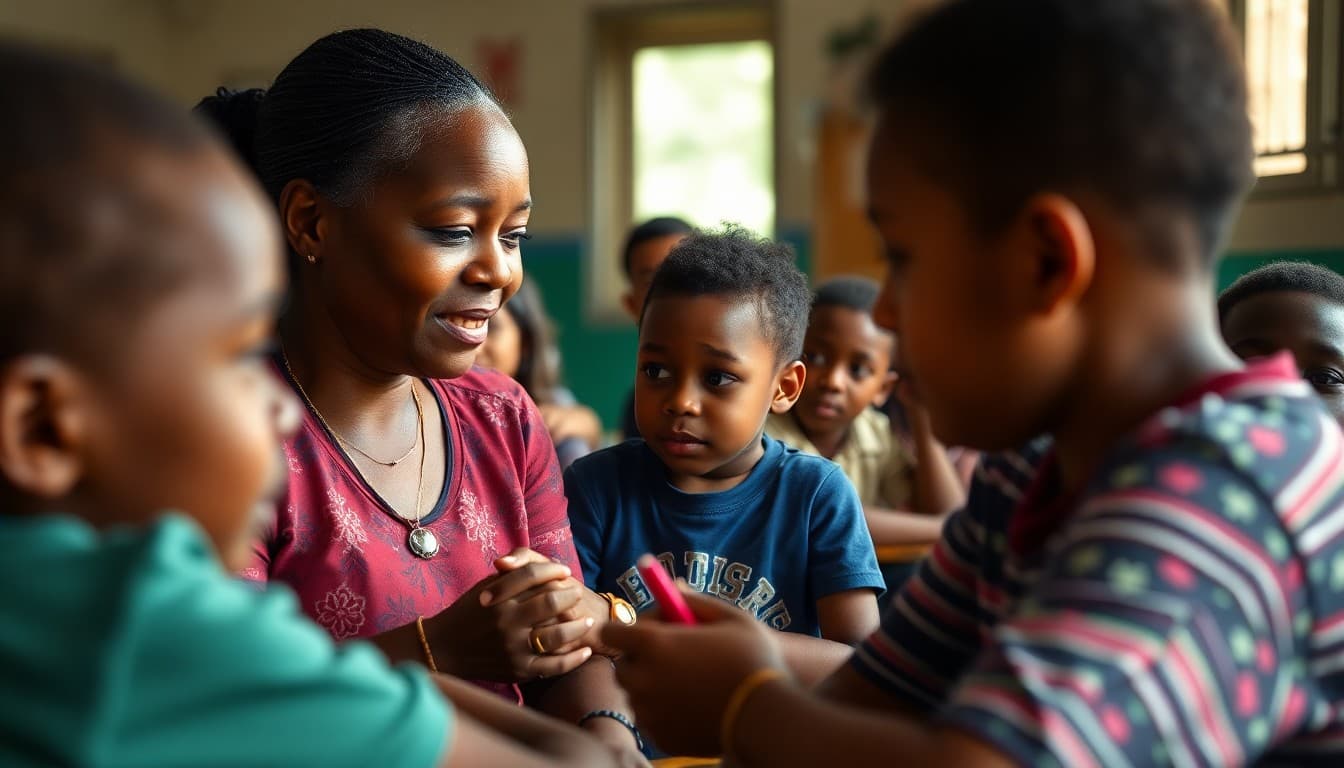
Title I School Family Communication in South Carolina

South Carolina's Title I landscape includes some of the most economically isolated communities in the country. Allendale County has been called America's poorest county. The Pee Dee region counties of Marion, Marlboro, and Williamsburg have child poverty rates that exceed 40%. These are communities shaped by the tobacco and textile economies that have largely departed, and family communication in these schools requires understanding the specific character of rural Southern poverty.
South Carolina's Title I landscape
The Pee Dee region of northeastern South Carolina (Florence, Marion, Marlboro, Dillon, and Williamsburg counties) has persistent rural poverty with predominantly Black communities. The tobacco economy that sustained these communities for a century has declined sharply, and replacement industries have not arrived in sufficient scale.
The Lowcountry has its own character: coastal communities with a rich Gullah Geechee cultural heritage alongside extreme poverty. Beaufort County has wealthy resort communities like Hilton Head Island and very poor rural communities just miles away. Allendale County, in the interior of the Lowcountry, has consistently among the lowest economic indicators of any county in the country.
The Upstate (Greenville and Spartanburg counties) is the most economically dynamic part of South Carolina, with major international manufacturing investment. But even here, Title I schools serve lower-income workers and a growing immigrant community.
ESSA requirements for South Carolina Title I schools
The South Carolina Department of Education administers Title I and monitors compliance. Required activities under ESSA Section 1116:
- Annual meeting for all parents explaining Title I status and parent rights
- Family Engagement Policy developed with parent input, distributed annually
- School-Parent Compact provided to every family, discussed at parent-teacher conferences
- Annual notification of the right to request teacher qualification information
- At least 1% of Title I funds reserved for family engagement activities
Pee Dee region and Lowcountry: church partnerships
As in other parts of the rural South, churches are the most trusted community institutions in Pee Dee and Lowcountry communities. African American churches have been centers of community life, civil rights organizing, and mutual aid for generations. Schools that work with local pastors, that post notices through church networks, and that hold some events in community spaces rather than always in school buildings build trust more effectively.
The Gullah Geechee culture of the Lowcountry is a distinct African American cultural tradition with unique language elements, food traditions, and community practices. Schools serving Gullah Geechee communities that acknowledge and respect this cultural heritage build stronger community relationships than those that treat it as simply another rural community.
Upstate SC and the growing Hispanic community
Greenville and Spartanburg have seen dramatic Hispanic population growth. BMW, Michelin, and dozens of supplier plants have attracted workers from Mexico and Central America, and the construction and service industries have added to the population. Schools in these counties that have developed Spanish bilingual communication capacity serve these families more effectively.
The Catholic churches in Greenville and Spartanburg with Spanish-language services are important community hubs. Some parishes have established themselves as trusted resources for immigrant families navigating life in South Carolina.
Connectivity in rural South Carolina
Broadband access in rural South Carolina is improving through state investment, but the Pee Dee and Lowcountry rural areas still have connectivity gaps. Many families in these areas rely on smartphones for internet access. Print newsletters remain important, and community partners (libraries, health clinics, churches) can help distribute them.
School-Parent Compact and consistent newsletters
For South Carolina Title I schools, the compact should be in plain language, should acknowledge community realities, and should include specific school commitments. For Upstate schools, Spanish translation is essential. For Pee Dee and Lowcountry schools, church partnerships amplify the impact of school newsletters.
Schools using Daystage send consistent weekly newsletters that arrive inline in email, without requiring extra click-throughs, reaching families on mobile across South Carolina's rural and urban Title I communities. That week-over-week consistency is the foundation of effective family communication.
Get one newsletter idea every week.
Free. For teachers. No spam.
Frequently asked questions
What ESSA requirements apply to South Carolina Title I schools?
South Carolina Title I schools must hold an annual meeting for all parents explaining Title I status and parent rights, develop and distribute a Family Engagement Policy with parent input, provide every family a School-Parent Compact, reserve at least 1% of Title I funds for family engagement, and notify parents of their right to request teacher qualifications. The South Carolina Department of Education monitors Title I compliance through its federal programs division.
Where are Title I schools concentrated in South Carolina?
South Carolina's Title I schools are concentrated in the Pee Dee region (Florence, Marion, Marlboro, Dillon, and Williamsburg counties), the Lowcountry rural areas (Allendale County, one of the poorest in the state), and urban Columbia and Greenville-Spartanburg. Allendale County has been repeatedly cited as among the poorest counties in the country. About 55-60% of South Carolina public schools receive Title I funding.
What is the significance of Allendale County for South Carolina Title I?
Allendale County has been called America's poorest county at various points. It has very few major employers, significant population loss, and a predominantly Black population that has dealt with decades of economic isolation. The county has received attention from journalists, researchers, and education reformers, but the challenges have proven persistent. Schools there operate with limited resources and serve families navigating genuine economic hardship.
How has South Carolina's growing Hispanic population changed Title I communication needs?
South Carolina's Hispanic population grew rapidly in the 2000s and 2010s, driven primarily by employment in the Upstate's manufacturing sector (BMW, Michelin, and other plants), construction, and poultry processing. Greenville and Spartanburg counties have seen significant Hispanic community growth. Schools in these areas have developed Spanish communication capacity where they previously had little. Federal language access law requires materials in Spanish when a sufficient share of families speak the language.
What newsletter tool works for South Carolina Title I schools?
Daystage is used by South Carolina schools to send consistent newsletters to families across urban and rural contexts. For Upstate SC schools with growing Hispanic populations, Daystage supports bilingual content. For rural Pee Dee and Lowcountry schools where broadband access may be limited, Daystage's inline email delivery without extra click-throughs works better on mobile connections.

Adi Ackerman
Author
Adi Ackerman is a former classroom teacher and curriculum writer with 8 years in K-8 schools. She writes about school communication, parent engagement, and what actually works in real classrooms.
More for Rural & Title I
Ready to send your first newsletter?
3 newsletters free. No credit card. First one ready in under 5 minutes.
Get started free