

Title I School Family Communication in Nebraska
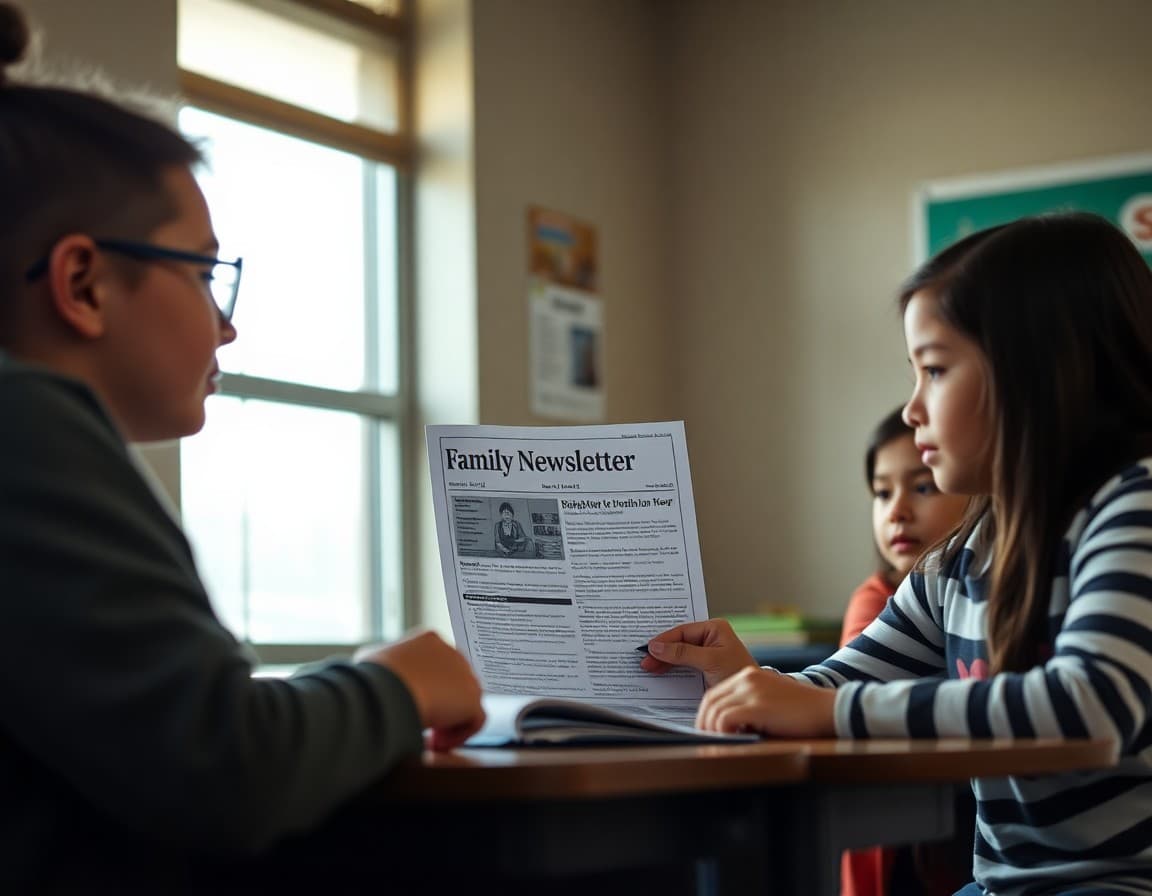
Nebraska's identity as a conservative agricultural state obscures the fact that several of its communities have been dramatically reshaped by immigration and demographic change. Lexington, Nebraska, which transformed from a quiet ranch town to a majority-Hispanic city in a single decade, is one of the most striking examples of rural demographic change in the country. The Title I schools in Nebraska's meatpacking towns and urban neighborhoods face communication challenges that require genuine multilingual capacity and cultural understanding.
Nebraska's Title I landscape
Omaha is the center of Nebraska's urban Title I landscape. North Omaha has a predominantly Black community with a history of civic activism but also decades of disinvestment. South Omaha's Latino community is concentrated around the former stockyards and food processing facilities near the Missouri River. Omaha Public Schools is the state's largest district and has significant Title I programs.
The Platte River corridor towns are Nebraska's meatpacking belt. Lexington (Dawson County) is the most-cited example, but Schuyler, Columbus, Grand Island, Hastings, and Crete have all experienced significant demographic change driven by beef, pork, and poultry processing facilities. These towns' school districts have had to develop bilingual capacity largely on their own, without the infrastructure support available to larger urban districts.
ESSA requirements for Nebraska Title I schools
The Nebraska Department of Education administers Title I and monitors compliance. Required activities under ESSA Section 1116:
- Annual meeting for all parents explaining Title I status and parent rights
- Family Engagement Policy developed with parent input, distributed annually
- School-Parent Compact provided to every family, discussed at parent-teacher conferences
- Annual notification of the right to request teacher qualification information
- At least 1% of Title I funds reserved for family engagement activities
Spanish-language communication in Nebraska's meatpacking towns
In Lexington, Spanish is effectively the working language of a significant portion of the community. Schools that have developed genuine Spanish communication capacity, with bilingual staff at all levels including administration and front office, serve these communities much more effectively than schools that treat Spanish as an accommodation rather than a standard capability.
Platte corridor schools that have invested in Spanish-speaking family liaisons, bilingual newsletters, and Spanish-language evening events consistently report higher family engagement than comparable schools that rely on interpreters at key events. The difference between a school that communicates with Spanish-speaking families throughout the year and one that provides interpretation only at compliance events is visible in attendance and engagement outcomes.
Guatemalan and other language communities
Beyond Spanish, some Nebraska meatpacking communities have families from Guatemala, Somalia, and other countries. Guatemalan families may speak Mayan languages like Mam or Q'anjob'al in addition to Spanish. Schools that have had success with these families work with community organizations and bilingual community liaisons to build communication channels beyond written newsletters.
North Omaha: trust, history, and community engagement
North Omaha has a rich history of community organizing and civic engagement, from the De Porres Club's civil rights work in the 1950s to contemporary neighborhood organizations. Schools that engage with this history and with the community organizations that have deep roots in north Omaha build credibility that outside programs cannot. Community organizations like the Urban League of Nebraska and neighborhood churches are established partners for school outreach.
Pine Ridge area schools in the Panhandle
The Nebraska Panhandle borders the Pine Ridge Indian Reservation in South Dakota, and the Gordon-Rushville School District serves Oglala Lakota families who live in Nebraska. This is a community with extreme poverty and the complicated trust relationship with institutions that characterizes many reservation-adjacent communities. Schools in this area need to work through community relationships and tribal connections rather than relying primarily on institutional communication channels.
School-Parent Compact and consistent newsletters in Nebraska
For Nebraska meatpacking town schools, having the compact in Spanish before the first parent-teacher conference is standard practice for any school doing this well. For Omaha schools, the compact should reflect the specific populations served: straightforward language for families with limited formal education, specific commitments from the school around communication timelines, and genuine acknowledgment of what families can and cannot realistically do given their work situations.
Schools using Daystage send bilingual newsletters that reach families across Nebraska's range of communities, from urban Omaha to small Platte Valley towns. Consistent weekly communication builds the relationship that makes annual meeting attendance and compact engagement more effective.
Get one newsletter idea every week.
Free. For teachers. No spam.
Frequently asked questions
What ESSA requirements apply to Nebraska Title I schools?
Nebraska Title I schools must hold an annual meeting for all parents explaining Title I status and parent rights, develop and distribute a Family Engagement Policy with parent input, provide every family a School-Parent Compact, reserve at least 1% of Title I funds for family engagement, and notify parents of their right to request teacher qualifications. The Nebraska Department of Education monitors Title I compliance through its federal programs office.
Where are Title I schools concentrated in Nebraska?
Nebraska's Title I schools are concentrated in Omaha (particularly north Omaha and south Omaha, which have the state's highest poverty concentrations), meatpacking towns in the Platte River corridor (Schuyler, Columbus, Lexington, Grand Island, and Crete), and on the Pine Ridge Indian Reservation and surrounding areas in the Nebraska Panhandle (Oglala Lakota communities). About 35-40% of Nebraska public schools receive Title I funding.
How have Nebraska meatpacking communities changed school communication needs?
Towns like Lexington, Schuyler, and Crete were transformed by the beef and pork processing industry in the 1980s and 1990s. Lexington went from a nearly all-white community to a majority-Hispanic community in about a decade when IBP (now Tyson) built a large beef plant. These schools needed to develop Spanish communication capacity quickly and have continued to evolve as additional immigrants from Guatemala, Somalia, and other countries joined the workforce.
What is the Title I situation for Omaha's north and south neighborhoods?
North Omaha has a predominantly Black community that has faced decades of disinvestment since mid-century urban renewal and highway construction destroyed established neighborhoods. South Omaha has a large Hispanic community, primarily Mexican and Central American, concentrated around the former meatpacking and food processing industries along the Missouri River. Omaha Public Schools serves both communities with Title I schools.
What newsletter tool works for Nebraska Title I schools?
Daystage is used by Nebraska schools, including Omaha Public Schools and some meatpacking town districts, to send bilingual newsletters. For south Omaha schools and Platte corridor towns with Spanish-speaking families, Daystage supports bilingual content in a single email. Inline email delivery without extra click-throughs works well for families using smartphones as their primary internet access.

Adi Ackerman
Author
Adi Ackerman is a former classroom teacher and curriculum writer with 8 years in K-8 schools. She writes about school communication, parent engagement, and what actually works in real classrooms.
More for Rural & Title I
Ready to send your first newsletter?
3 newsletters free. No credit card. First one ready in under 5 minutes.
Get started free