
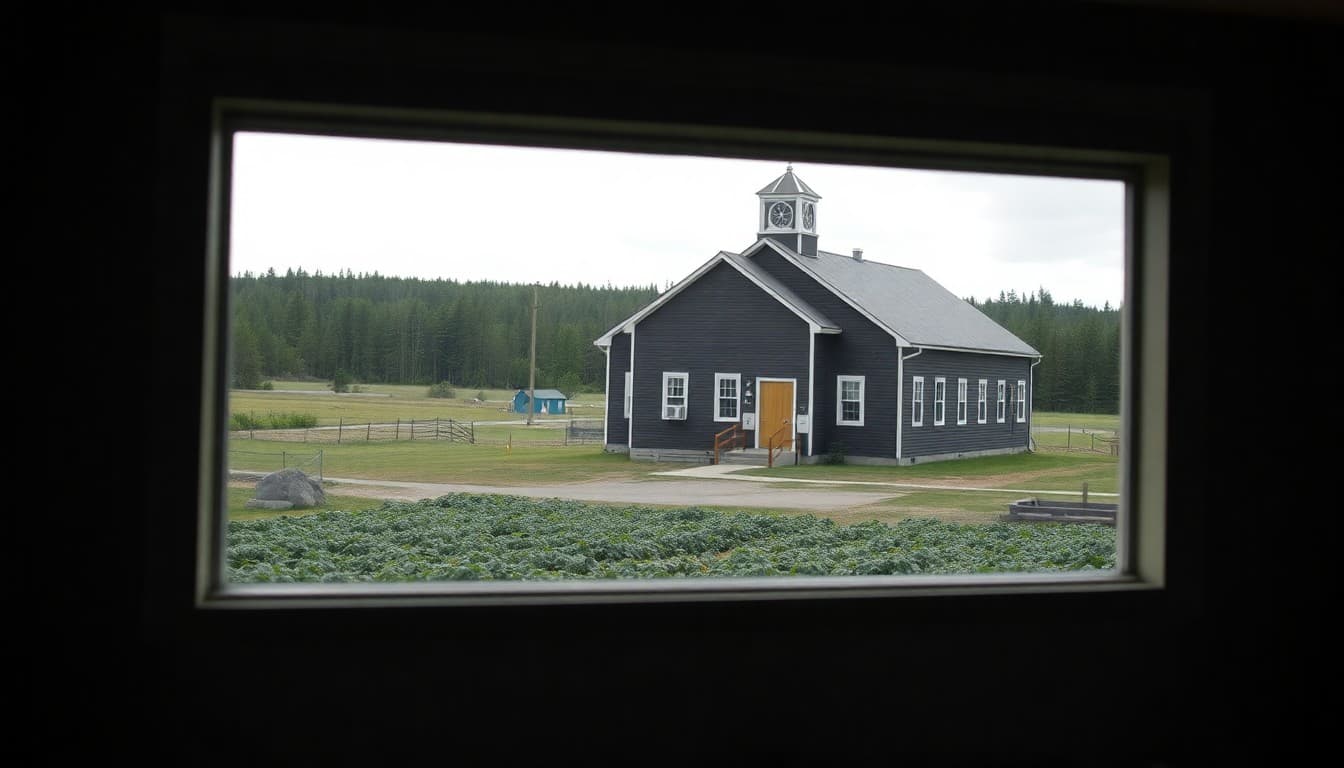
Maine Rural School Newsletter Guide for Northern and Coastal Communities
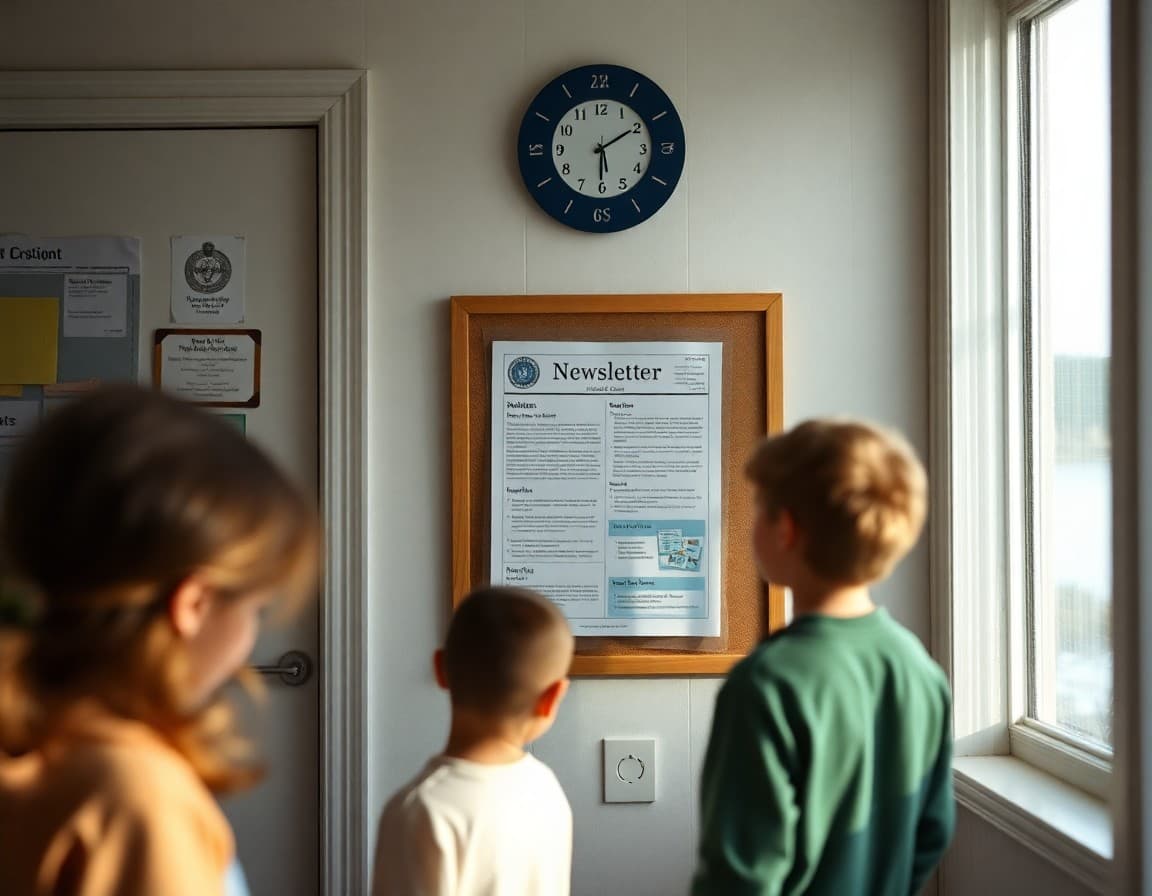
A teacher in Fort Kent, Maine, near the Canadian border, sends her newsletter Wednesday afternoon so families have it before the weekend. In November, she shortens it to three items because her families are fully occupied with potato harvest, and a long newsletter will not be read. In January, she adds winter emergency procedures because the school has closed for weather six times this year already. Her newsletter reflects the actual rhythm of life in Aroostook County, not a generic school communication calendar.
Maine's Rural School Communication Challenge
Maine is the most rural state in the continental United States by the proportion of its population living outside of urban areas. Aroostook County, which borders Canada and is larger than many states, has extremely low population density and limited broadband infrastructure. Coastal communities from Eastport to Kittery have fishing families with irregular schedules. Interior communities in Somerset and Piscataquis counties have geographic isolation that makes school communication a genuine logistical challenge.
Aroostook County: Potato Harvest and the School Calendar
Potato harvest season in Aroostook County runs September through November. Maine schools have historically worked around harvest, and some districts still have official harvest breaks. Newsletters during this period should be reduced to the essential: any school closures, meal program reminders, and the most important upcoming dates. A three-item newsletter during harvest respects the reality of what families are managing and increases the chance it gets read.
Winter Weather Communication
Maine schools close for snow more than almost any other state. Every fall newsletter should include a standing winter closure protocol: how families will be notified (school call system, local radio, school website), what happens to meals on closure days, and whether there are remote learning days. For families in very remote areas, a phone call backup system for closure notifications is important alongside the digital newsletter.
Fishing Community Schools on the Coast
Lobster season on Maine's coast runs June through November. Families who fish, or whose family income depends on fishing, have schedules that fluctuate with weather and catches. Newsletters for coastal Maine schools should acknowledge this reality: "We know lobster season keeps many of you busy. Here is what is happening this week and how to catch up on anything your child missed." That acknowledgment builds more cooperation than a form attendance letter.
What Every Maine Rural School Newsletter Should Include
Five items per issue: key dates, meal program information, one Title I resource notice, weather closure protocol in fall and winter, and a student recognition. During Aroostook County potato harvest, reduce to three items. During winter storm season, promote the closure protocol section to the top. Keep total reading time under three minutes.
Food Security in Maine Rural Communities
Maine has significant food insecurity in its rural northern and coastal counties. Many families rely on seasonal income from farming or fishing, which means food access is tight in off-seasons. Newsletters that communicate free meal availability, food pantry distribution schedules, and summer food site locations give families practical information. Write it directly: "Free breakfast is available every morning at 7:30. No form is required."
Title I Requirements and the Newsletter
Maine Title I schools must distribute their parent engagement policy, school-parent compact, and annual report. The newsletter is the right vehicle. Quarterly inserts with a plain-language summary and a contact number for questions cover the requirement efficiently. Daystage makes it easy to add these as reusable template blocks and drop them into the appropriate issues without rebuilding each time.
Digital Access in Northern Maine
Aroostook and Piscataquis counties have significant broadband gaps. A two-track newsletter system, digital email plus printed copies for offline families, is the right standard for these communities. The printed version should be one page and distributed through the school, the post office (many rural Mainers still check the post office daily), and the local general store.
Maine rural schools that build newsletters reflecting the actual rhythms of potato farming, lobster season, and winter storms serve their communities in a way that generic communication templates cannot. The newsletter is how a school demonstrates it understands the community it serves.
Get one newsletter idea every week.
Free. For teachers. No spam.
Frequently asked questions
What communication challenges do Maine rural schools face?
Maine has the highest proportion of rural residents of any state in the continental US. Aroostook County in the north is larger than Connecticut and Rhode Island combined, with very low population density and limited broadband. Coastal communities have fishing families with variable schedules. Many Maine rural schools are very small, with fewer than 100 students.
How do northern Maine schools handle Aroostook County's isolation?
Aroostook County potato farming families have harvest schedules from September through November that directly conflict with the school calendar. Many schools here have historically allowed harvest absences. Newsletters during harvest should be shorter and more direct, focused on the most critical information families need when they are fully occupied with farm work.
How do Maine schools handle Somali and multilingual families in Lewiston and Biddeford?
Lewiston and Biddeford have significant Somali and other African immigrant populations. While these are not rural towns, smaller communities near them also serve immigrant families. A translated summary for the primary non-English language group covers the most critical communication need.
What content is most important for Maine rural families?
Meal program information, school closure procedures for winter storms, Title I program availability, and testing schedules are the highest priority. For fishing community schools, acknowledging lobster and fishing season schedules builds understanding rather than conflict.
What newsletter tool works for Maine rural schools?
Daystage delivers lightweight newsletters that work on limited rural broadband connections. The open-rate analytics help identify which families need printed copies or phone follow-up.

Adi Ackerman
Author
Adi Ackerman is a former classroom teacher and curriculum writer with 8 years in K-8 schools. She writes about school communication, parent engagement, and what actually works in real classrooms.
More for Rural & Title I
Rural School Newsletter Guide: Communication Strategies for Small and Remote Schools
Rural & Title I · 7 min read
Rural School Weather Closure Newsletter: How Schools Communicate Closures and Emergency Decisions
Rural & Title I · 5 min read
Title I Parent Engagement Newsletter: Meeting Federal Requirements While Building Real Connections
Rural & Title I · 8 min read
Ready to send your first newsletter?
3 newsletters free. No credit card. First one ready in under 5 minutes.
Get started free