

Maryland Rural School Newsletter Guide for Eastern Shore and Western Maryland
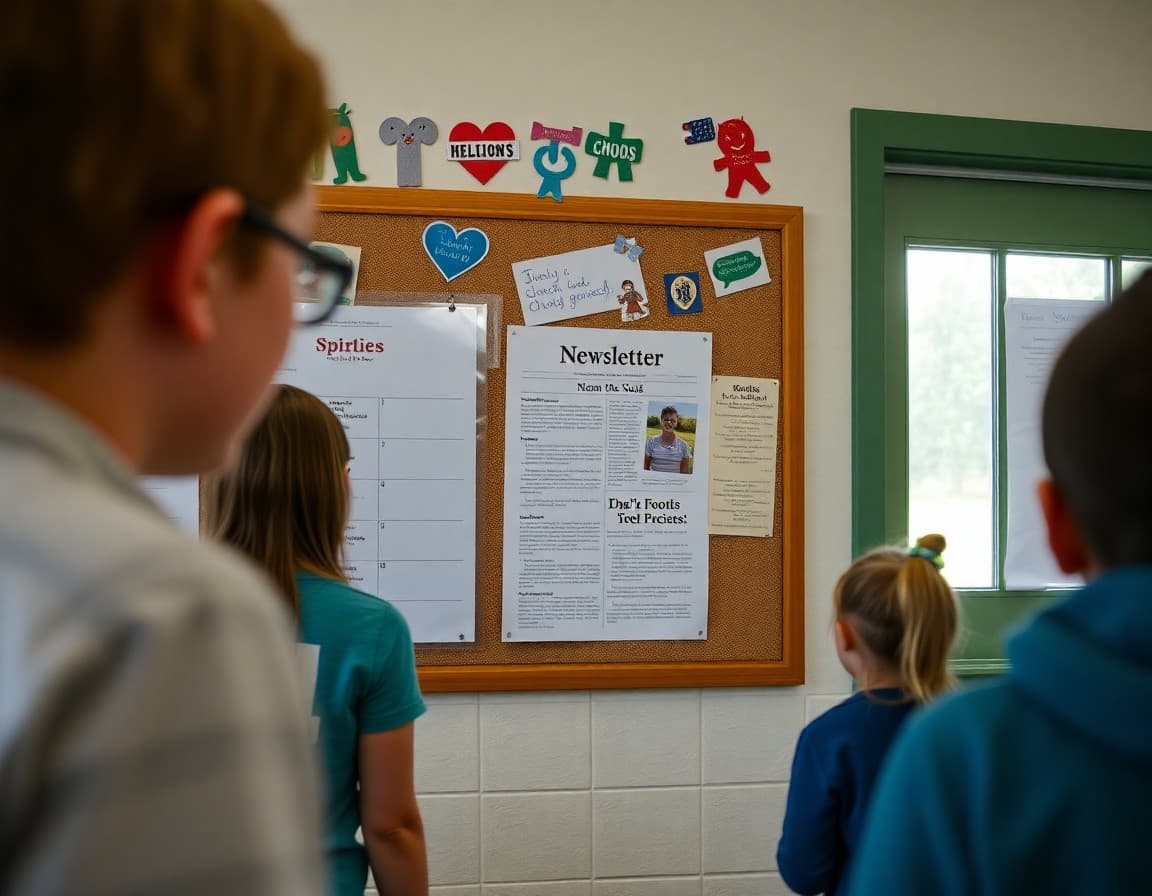
A principal in Somerset County on Maryland's Eastern Shore describes her school as "two worlds in one building." Half her families are African American families whose roots in the county go back generations. The other half are recently arrived Hispanic families working in poultry processing. The newsletter that reaches both groups is bilingual, direct, and deliberately respectful of both communities' histories. Getting the tone right matters as much as getting the translation right.
Maryland's Rural-Urban Divide and Schools
Maryland is one of the wealthiest states by median income, but that wealth is heavily concentrated in the Baltimore-Washington corridor. The Eastern Shore and Western Maryland are rural and significantly lower income. Somerset County on the Eastern Shore is consistently among the poorest counties in the state. Garrett County in the Appalachian mountains has poverty rates and broadband access comparable to rural West Virginia. These schools need communication approaches that match their actual community conditions, not the resources available in Montgomery County.
Eastern Shore: Poultry Industry and Multilingual Communities
Somerset, Wicomico, and Dorchester counties have significant poultry processing operations, including Perdue Farms facilities that employ large Spanish-speaking workforces. Schools in these communities serve children whose parents work long shifts on processing lines. A bilingual newsletter, timed for evenings when shift workers are home, reaches these families. An English-only newsletter sent at noon reaches almost none of them.
Western Maryland: Garrett County's Appalachian Context
Garrett County sits in the Appalachian mountains in the far western corner of Maryland. Its school communication challenges resemble neighboring West Virginia more than suburban Maryland: limited broadband, families working in coal, timber, and manufacturing, and geographic isolation that makes printed newsletters as important as digital ones. Winter weather closes schools multiple times each year, making a clear closure communication protocol essential.
What Every Maryland Rural School Newsletter Should Include
Five items per issue: key dates, meal program information, one Title I resource notice, schedule changes, and a student recognition. For Eastern Shore schools, include a Spanish summary. For Western Maryland schools, include the winter closure protocol from October through March. For all rural Maryland schools, put food security information prominently rather than burying it at the bottom. Keep total reading time under three minutes.
Food Security on the Eastern Shore
Somerset County has food insecurity rates among the highest in Maryland. Newsletters that communicate free meal availability, Community Eligibility Provision status, and food pantry locations give families practical information. Write it directly in both English and Spanish: "Free breakfast and lunch are available for all students every day." Families who are new to the country often do not know about the meal program until someone tells them plainly.
Title I Communication Requirements
Maryland Title I schools must distribute their parent engagement policy, school-parent compact, and annual report. The newsletter handles this distribution efficiently. Quarterly inserts in both English and Spanish for Eastern Shore schools, and English only for Western Maryland, cover the legal requirement. Daystage makes it simple to save these blocks and reuse them quarterly.
Community Distribution Points in Rural Maryland
On the Eastern Shore, the parish or church, the food bank, and the community health center are reliable distribution points for printed newsletters. In Garrett County, the county library, the hardware store, and local diners are community gathering points where posted newsletters get read. Building a printed distribution network supplements digital delivery without significant ongoing effort.
Tracking Engagement Across Both Channels
Open-rate analytics tell you which families are not opening the digital newsletter. In a community where you know most families personally, this data drives targeted follow-up: a printed copy home with the student, a phone call from the bilingual aide, or a note through a community partner. The newsletter becomes a managed communication system rather than a one-way broadcast.
Maryland rural schools that build newsletter systems matching their Eastern Shore or Western Maryland community conditions reach the families who most need consistent school communication. The gap between Maryland's wealth and its rural poverty is not closed by a newsletter, but the newsletter is how trust is built across that gap week by week.
Get one newsletter idea every week.
Free. For teachers. No spam.
Frequently asked questions
What communication challenges do Maryland rural schools face?
Maryland's Eastern Shore and Western Maryland are rural and relatively low-income compared to the Baltimore-Washington suburbs that dominate state resources. Eastern Shore counties like Somerset and Dorchester have high poverty rates and significant African American and Hispanic poultry-worker populations. Garrett County in Western Maryland has Appalachian poverty and limited broadband.
How should Eastern Shore schools approach bilingual communication?
Poultry processing counties on the Eastern Shore have significant Spanish-speaking workforces. A bilingual newsletter or Spanish summary covers the most critical communication gap. For Title I rights and enrollment notices, full Spanish translation is legally required.
How do Garrett County schools handle Western Maryland's broadband gaps?
Garrett County has limited broadband coverage due to its mountain terrain. Plain-text email newsletters paired with printed copies for offline families is the appropriate approach. The county library and local community centers serve as distribution points.
What content is most useful for Maryland rural families?
Meal program information, Title I tutoring availability, testing schedules, and bus route changes are the highest priority. For Eastern Shore agricultural communities, harvest season acknowledgment in fall is useful. For Western Maryland communities, winter weather closure procedures matter from November through March.
What newsletter tool works for Maryland rural schools?
Daystage sends lightweight newsletters and tracks open rates. For Maryland rural schools serving diverse populations, the analytics identify which families need printed copies or bilingual outreach.

Adi Ackerman
Author
Adi Ackerman is a former classroom teacher and curriculum writer with 8 years in K-8 schools. She writes about school communication, parent engagement, and what actually works in real classrooms.
More for Rural & Title I
Rural School Newsletter Guide: Communication Strategies for Small and Remote Schools
Rural & Title I · 7 min read
Rural School Bilingual Family Newsletter: How Schools Communicate Across Language Barriers
Rural & Title I · 5 min read
Title I Parent Engagement Newsletter: Meeting Federal Requirements While Building Real Connections
Rural & Title I · 8 min read
Ready to send your first newsletter?
3 newsletters free. No credit card. First one ready in under 5 minutes.
Get started free