
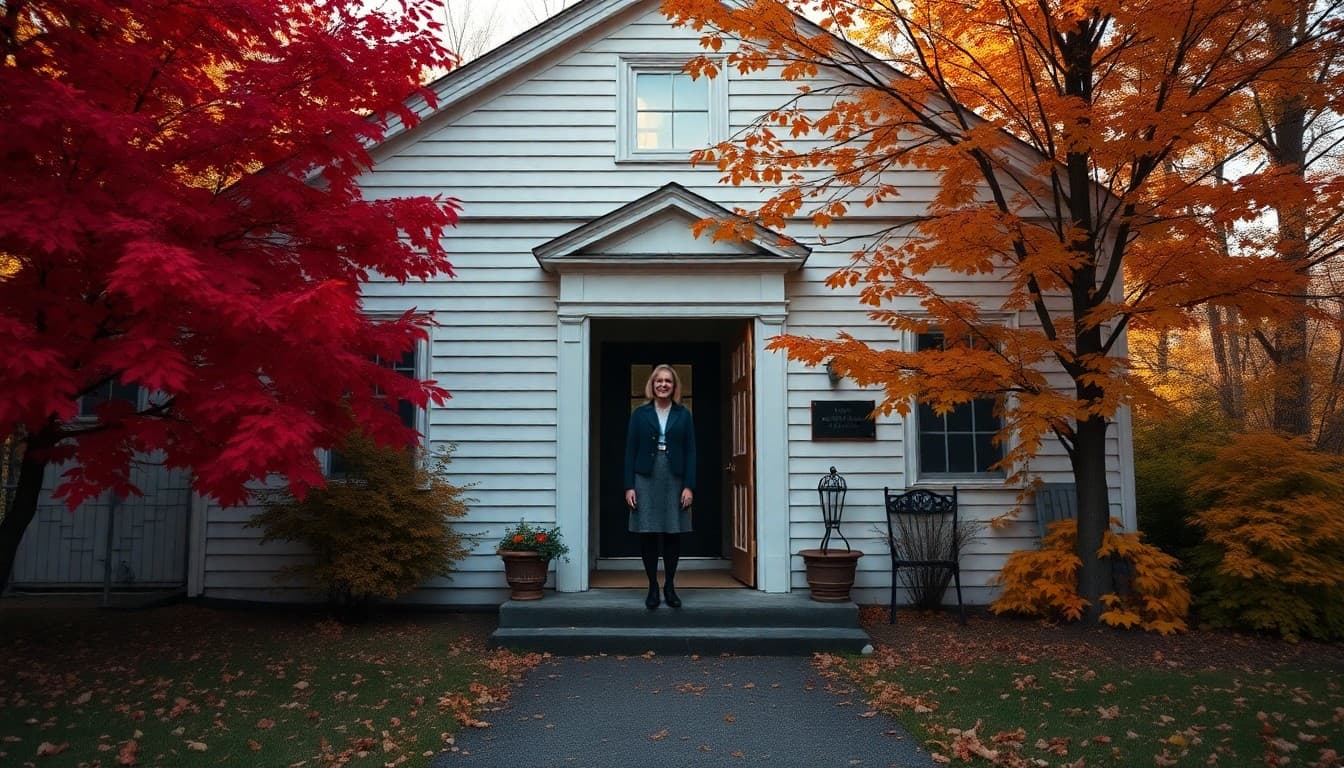
Rural School Communication Strategies for Massachusetts Educators

Massachusetts does not fit the typical image of a rural school state, but its western regions, the Berkshires, the Hilltowns, and the rural Pioneer Valley, contain schools that face genuine rural communication challenges. Small districts, limited broadband in some areas, and significant economic diversity all shape what effective communication looks like.
The Berkshires: Economic Diversity in a Rural Setting
Berkshire County has a complicated economic picture: historic working-class communities in cities like Pittsfield and Adams alongside wealthy second-home owners and arts-economy newcomers. The public schools serve primarily the former. Communication that works for families juggling economic instability, limited time, and sometimes limited digital access differs from communication designed for a highly educated parent audience. Short, plain-language, multiple-channel newsletters serve the actual school population better.
Pioneer Valley Rural Communities: Spanish-Language Access
The rural communities surrounding Holyoke and Springfield in Hampshire and Franklin counties have significant Spanish-speaking populations. Schools in places like Belchertown, Ware, and Orange serve families who moved from urban Pioneer Valley communities and families with roots in Puerto Rican and Central American agricultural communities. Spanish newsletters or bilingual summaries are appropriate for schools with significant Spanish-speaking enrollment.
Hilltowns: Small Schools and Limited Broadband
The Hilltowns of Hampshire and Berkshire counties, communities like Goshen, Plainfield, and Cummington, have some of the smallest school enrollments in the state. A school of 80 students may have a single principal who handles all administrative functions. Communication systems need to be simple enough for one person to manage consistently. The Massachusetts Broadband Institute is working to improve connectivity in these areas, but coverage remains limited in some communities.
Cape Cod and Islands: Seasonal Population Fluctuations
The Cape and Islands have unique communication challenges tied to seasonal population changes. Some families work seasonal hospitality jobs with variable schedules. Housing instability during the off-season can affect enrollment. The newsletter should include clear re-enrollment and housing resource information for families managing these transitions.
Food and Economic Resource Communication
Rural Massachusetts has pockets of genuine food insecurity, particularly in the Berkshires and in the rural Pioneer Valley. Free meal program information, food bank locations, and school-based resource programs should appear in newsletters consistently. Plain language, no stigma, and specific enough to be actionable.
Title I Requirements and Small District Documentation
Massachusetts Title I schools distribute parent involvement policies and school-parent compacts annually. For small Hilltown or Berkshires schools with limited staff, having these as reusable newsletter template sections reduces the annual compliance burden. Daystage tracks which families have opened which issues.
Community Identity in the Newsletter
Small Massachusetts rural schools are community institutions. The newsletter that celebrates the school's connection to its town, whether through a local history section, a community event preview, or a student achievement spotlight, builds the relationship that sustains family engagement beyond compliance requirements. New England communities have strong local identity. The newsletter can reflect that.
Massachusetts rural educators who design communication for their community's specific economic, language, and connectivity conditions build stronger family engagement than those using a default approach designed for suburban schools.
Get one newsletter idea every week.
Free. For teachers. No spam.
Frequently asked questions
What communication challenges are specific to Massachusetts rural schools?
The Berkshires have small, isolated communities with high proportions of economically disadvantaged families alongside wealthy newcomers. The Pioneer Valley has significant Spanish-speaking communities in rural areas surrounding Holyoke and Springfield. Cape Cod and the islands have seasonal population fluctuations that affect school enrollment and family communication. Each context presents different challenges.
How should Massachusetts rural schools approach communication in the Berkshires?
The Berkshires have a significant economic divide between longtime working-class residents and newer arrivals. Schools serve both populations, and communication that works for one does not always work for the other. Plain language, multiple channels, and consistent delivery regardless of the economic context of the family builds inclusive communication.
How do rural Massachusetts schools communicate with Spanish-speaking Pioneer Valley families?
Rural communities in Hampshire and Franklin counties surrounding the Pioneer Valley corridor have Spanish-speaking populations tied to agricultural work and manufacturing. Spanish newsletters or bilingual summaries are appropriate for these communities. Translation resources in western Massachusetts are better developed than in some rural states.
What digital access challenges do Massachusetts rural educators face?
Despite being a high-income state overall, Massachusetts has significant rural broadband gaps in the Berkshires and in parts of western Hampshire and Franklin counties. The Massachusetts Broadband Institute has been working to address this, but coverage remains uneven. Paper newsletters remain important for families without reliable digital access.
What newsletter tool works for Massachusetts rural schools with limited staff?
Daystage lets Massachusetts rural educators build and send professional newsletters efficiently and tracks engagement so staff know which families need follow-up. Schools use it to manage bilingual content and to document Title I family engagement requirements.

Adi Ackerman
Author
Adi Ackerman is a former classroom teacher and curriculum writer with 8 years in K-8 schools. She writes about school communication, parent engagement, and what actually works in real classrooms.
More for Rural & Title I
Massachusetts Rural School Newsletter Guide for Western MA and Cape Cod Communities
Rural & Title I · 6 min read
Title I School Family Communication in Massachusetts
Rural & Title I · 6 min read
Small School Newsletter Guide: Communication Strategies When Everyone Knows Everyone
Rural & Title I · 6 min read
Ready to send your first newsletter?
3 newsletters free. No credit card. First one ready in under 5 minutes.
Get started free