
Massachusetts Rural School Newsletter Guide for Western MA and Cape Cod Communities
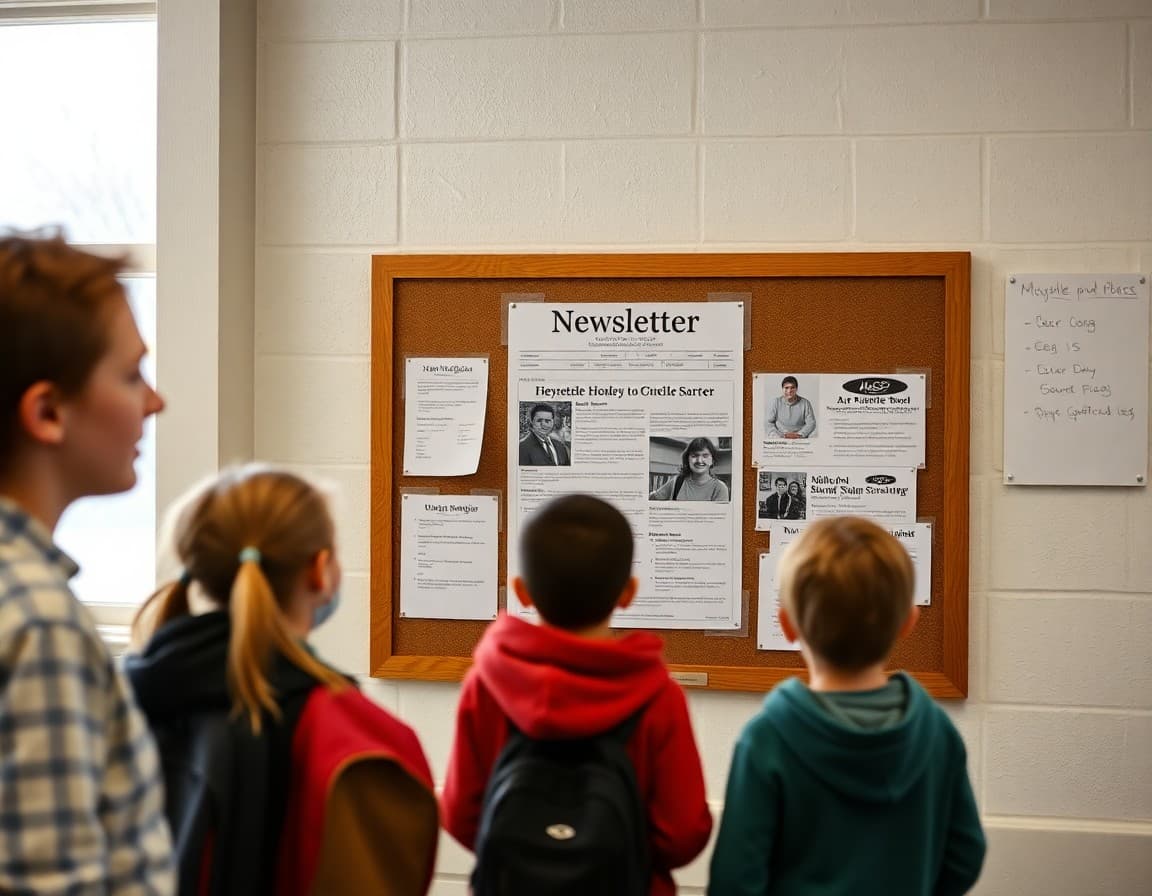
A teacher in Holyoke, Massachusetts sends her newsletter in Spanish every Thursday. Her school is one of the highest-poverty in the state, in a city sometimes called the "Paper City" where manufacturing left and poverty stayed. Her families speak Spanish at home, shop in Spanish, and depend on Spanish-language communication to stay connected to their children's school. The newsletter is the most consistent Spanish-language touchpoint the school provides. It is not an accommodation. It is the main event.
Massachusetts Rural and Title I Schools: The Overlooked Gap
Massachusetts is not known for rural poverty, but it exists. Western Massachusetts, including Berkshire, Franklin, and Hampshire counties, has rural schools with genuine broadband gaps and working families who cannot attend school events during the workday. Holyoke and Springfield are not rural, but they are among the poorest cities in New England, with Title I schools facing communication barriers comparable to any rural school in the South.
Pioneer Valley: Spanish Language Is Not Optional
Holyoke has the highest concentration of Puerto Rican residents of any city in the continental United States outside of New York. Springfield has large Dominican and Puerto Rican communities. Schools in these cities that send English-only newsletters are not serving the majority of their families. A bilingual newsletter, Spanish first, is the correct default for Pioneer Valley Title I schools. DESE's English Learner regulations make translated communications a legal requirement for identified EL families.
Berkshire County: Rural Broadband and Tourism Economy
Berkshire County in western Massachusetts has limited broadband in smaller towns like Otis, Sandisfield, and Windsor. Tourism drives the summer and fall economy, but year-round families often work in healthcare, manufacturing, or service industries with irregular schedules. Plain-text email newsletters that load quickly on limited connections are more reliable than HTML-heavy formats in these communities.
Cape Cod and Outer Islands: Seasonal Population and Year-Round Families
Cape Cod schools serve year-round working families who often rely on tourism-related employment with irregular schedules. Newsletters should be timed for evenings when hospitality workers are home. Martha's Vineyard and Nantucket have year-round communities including significant Brazilian and Hispanic populations that need bilingual communication.
What Every Massachusetts Rural School Newsletter Should Include
Five items per issue: key dates, meal program information, one Title I resource notice, MCAS testing schedule in spring, and a student recognition. For Pioneer Valley schools, include a Spanish version. For Berkshire County and Cape Cod schools, keep the format simple and the reading time under three minutes. Families working irregular hours read short, clear newsletters.
Food Security in Massachusetts Title I Schools
Massachusetts has food insecurity concentrated in its post-industrial cities and some rural communities. Newsletters that communicate free meal availability plainly remove the barrier of families wondering if they qualify: "Breakfast is free for all students at 7:30. Lunch is free. No form is required." For Spanish-speaking families, this message in Spanish is the version that actually reaches them.
Title I Requirements and the Newsletter
Massachusetts Title I schools must distribute their parent engagement policy, school-parent compact, and annual report. For schools with large non-English populations, translated versions are required by DESE. The newsletter handles this distribution reliably. Quarterly inserts in both English and the school's primary second language cover the requirement. Daystage lets you build these as reusable template blocks.
Measuring What Reaches Families
Open-rate data tells you which families are not engaging with digital newsletters. For Pioneer Valley schools, a family consistently not opening the Spanish newsletter may need outreach through the bilingual aide or a community organization. For Berkshire County schools, a non-opening family may need a printed copy. The newsletter becomes a managed communication system when you act on that data.
Massachusetts Title I and rural schools that build bilingual, lightweight newsletters matched to their community's actual conditions reach the families who most need consistent school communication. The investment in getting it right for Pioneer Valley families, for Berkshire County families, for Cape Cod families, compounds over the school year into measurably better engagement and student outcomes.
Get one newsletter idea every week.
Free. For teachers. No spam.
Frequently asked questions
Do Massachusetts schools have rural communication challenges?
Yes. Western Massachusetts, including Berkshire County and parts of Franklin and Hampshire counties, has genuinely rural schools with broadband gaps, seasonal tourist economy families, and agricultural communities. The Pioneer Valley has high concentrations of Spanish-speaking families from Puerto Rico and the Dominican Republic. These schools face real communication barriers despite the state's overall wealth.
How should Pioneer Valley schools handle Spanish-speaking families?
Springfield and Holyoke have large Puerto Rican communities, and smaller agricultural towns in the Pioneer Valley have growing Spanish-speaking populations. A bilingual newsletter or Spanish summary is the appropriate standard for schools where Spanish is spoken by more than 20% of families. DESE requires translated communications for English Learner families.
How do Berkshire County schools handle the tourism economy and varied families?
The Berkshires have a split between year-round working families and seasonal residents. Newsletters should be designed for the year-round community's needs. Tourism-economy workers often have irregular schedules that make consistent newsletter timing particularly important.
What content is most important for Massachusetts rural families?
MCAS testing schedules, meal program information, Title I tutoring availability, and school event dates are the highest priority. For Pioneer Valley Spanish-speaking families, translated Title I rights notices are both legally required and practically necessary.
What newsletter tool works for Massachusetts rural schools?
Daystage sends lightweight newsletters and tracks open rates. For Massachusetts Title I schools, the analytics help identify families who need bilingual outreach or printed copies.

Adi Ackerman
Author
Adi Ackerman is a former classroom teacher and curriculum writer with 8 years in K-8 schools. She writes about school communication, parent engagement, and what actually works in real classrooms.
More for Rural & Title I
Rural School Newsletter Guide: Communication Strategies for Small and Remote Schools
Rural & Title I · 7 min read
Rural School Bilingual Family Newsletter: How Schools Communicate Across Language Barriers
Rural & Title I · 5 min read
Title I Parent Engagement Newsletter: Meeting Federal Requirements While Building Real Connections
Rural & Title I · 8 min read
Ready to send your first newsletter?
3 newsletters free. No credit card. First one ready in under 5 minutes.
Get started free