
Rural School Communication Strategies for Kansas Educators
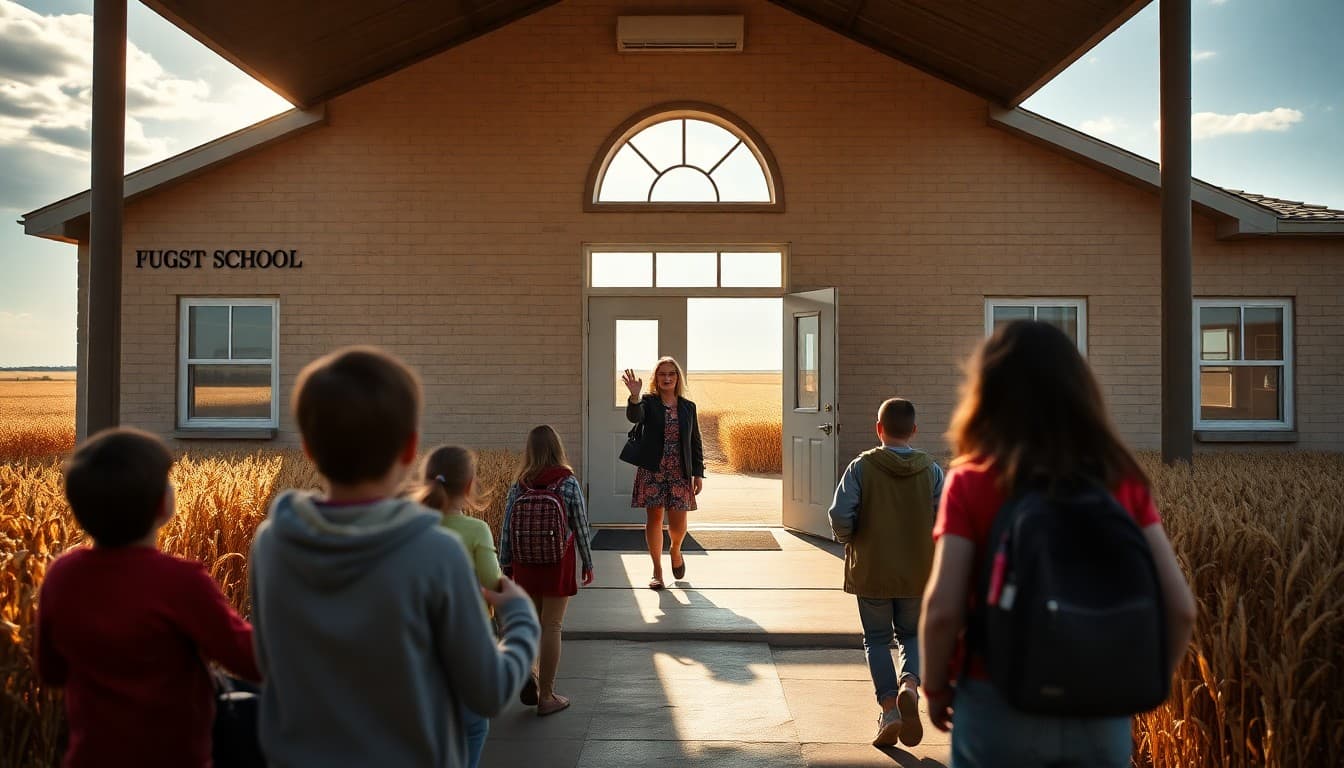
Kansas covers nearly 82,000 square miles, and most of it is rural. The eastern part of the state has more towns and better connectivity. The western half, where wheat stretches to the horizon and neighbors can be 10 miles apart, is a different communication environment entirely. Effective communication strategies for Kansas rural educators account for both.
Wheat Country: Distance and Seasonal Schedules
Western Kansas wheat farming families work schedules that vary dramatically by season. Planting in the fall and harvest from late May through July are periods of intense, dawn-to-dusk work. School meetings are poorly attended. Newsletters sent during these periods should contain only the most essential information and should be backed up by paper copies sent home with students. Consistency matters more than comprehensiveness during these seasons.
Garden City, Dodge City, and Liberal: Multilingual Communication
Southwest Kansas meatpacking communities have among the most linguistically diverse populations in rural America. Garden City schools serve Spanish-speaking, Somali, Burmese, and Vietnamese families, among others. An English-only newsletter reaches a fraction of the family population. Building a multilingual communication system requires investment in community liaison staff or translation partnerships, but it is what genuine family engagement looks like in these communities.
High Plains School Districts: Logistics of Large Geography
Some western Kansas school districts cover hundreds of square miles. Students may ride the bus for over an hour in each direction. When bus routes change due to weather, road conditions, or driver shortages, families at the far end of a 50-mile route need fast, reliable notification. A phone and text alert system running in parallel with the newsletter is necessary for time-sensitive transportation communication in these districts.
Food Program Communication in High-Poverty Western Kansas
Some western Kansas counties have significant child poverty, particularly in communities tied to meatpacking work with variable hours and seasonal layoffs. Free and reduced lunch information, school pantry access, and community resource referrals should appear in the newsletter without stigma language. Families working to make ends meet deserve information about available support without having to ask.
Severe Weather and Storm Communication
Kansas is in Tornado Alley. School closures for severe weather can happen with minimal warning. The newsletter should establish the school's weather communication protocol at the start of the year: which channel closures are announced on, what time notifications are sent, and what the backup is for families who do not receive the first message. Families who know the protocol before they need it handle weather closures with far less anxiety.
Title I Documentation
Kansas Title I schools must distribute parent involvement policies and school-parent compacts annually. The newsletter is the primary delivery vehicle. Daystage tracks open rates so Title I coordinators have documentation of which families received required communications.
Community Identity in the Western Kansas Newsletter
In small western Kansas towns, the school is often the last remaining community institution. The newsletter that celebrates this, that covers the 8-man football team, the FFA chapter's state competition, and the science fair alongside Title I program updates, builds the relationship that keeps families engaged through the full school year.
Kansas rural educators who design communication for their community's geography, language, and seasonal rhythms maintain stronger family engagement than those who use a default digital approach. The newsletter is where that design work starts.
Get one newsletter idea every week.
Free. For teachers. No spam.
Frequently asked questions
What communication challenges are specific to Kansas rural schools?
Western Kansas wheat farming communities have families spread across vast distances with limited broadband coverage. Southwest Kansas beef processing communities, particularly Garden City and Dodge City, have large Hispanic, Somali, and Burmese populations with distinct language needs. High school districts in these communities can cover hundreds of square miles with bus routes that run over an hour each way.
How should Kansas rural educators communicate during wheat harvest?
Wheat harvest in Kansas runs from late May through July, with combines working sunrise to sunset. Farm families during harvest are not checking email or attending school meetings. Newsletters sent during harvest should be shorter than usual, focused on the most essential items, and delivered at a time when families might have a moment to read. Paper copies home with students are the reliable backup.
How do Garden City and Dodge City schools reach multilingual families?
Southwest Kansas meatpacking communities are among the most linguistically diverse rural communities in the country. Spanish is the most common non-English language. Somali and Burmese community populations require additional translation resources. Schools that have multilingual family liaison staff see substantially better engagement than those relying on English-only communications.
What digital access challenges do Kansas rural educators face?
Western Kansas has some of the lowest broadband coverage rates in the state. Many families in rural western Kansas counties rely on satellite or cellular data as their primary internet access. Newsletters need to load on slow connections. Paper copies remain essential for families without reliable digital access.
What newsletter tool supports Kansas rural school communication across vast distances?
Daystage lets Kansas rural educators send newsletters that load on limited connections and track which families are engaging with communications. Schools use it to manage multilingual content, identify families who need printed copies, and document Title I family engagement activities.

Adi Ackerman
Author
Adi Ackerman is a former classroom teacher and curriculum writer with 8 years in K-8 schools. She writes about school communication, parent engagement, and what actually works in real classrooms.
More for Rural & Title I
Ready to send your first newsletter?
3 newsletters free. No credit card. First one ready in under 5 minutes.
Get started free