
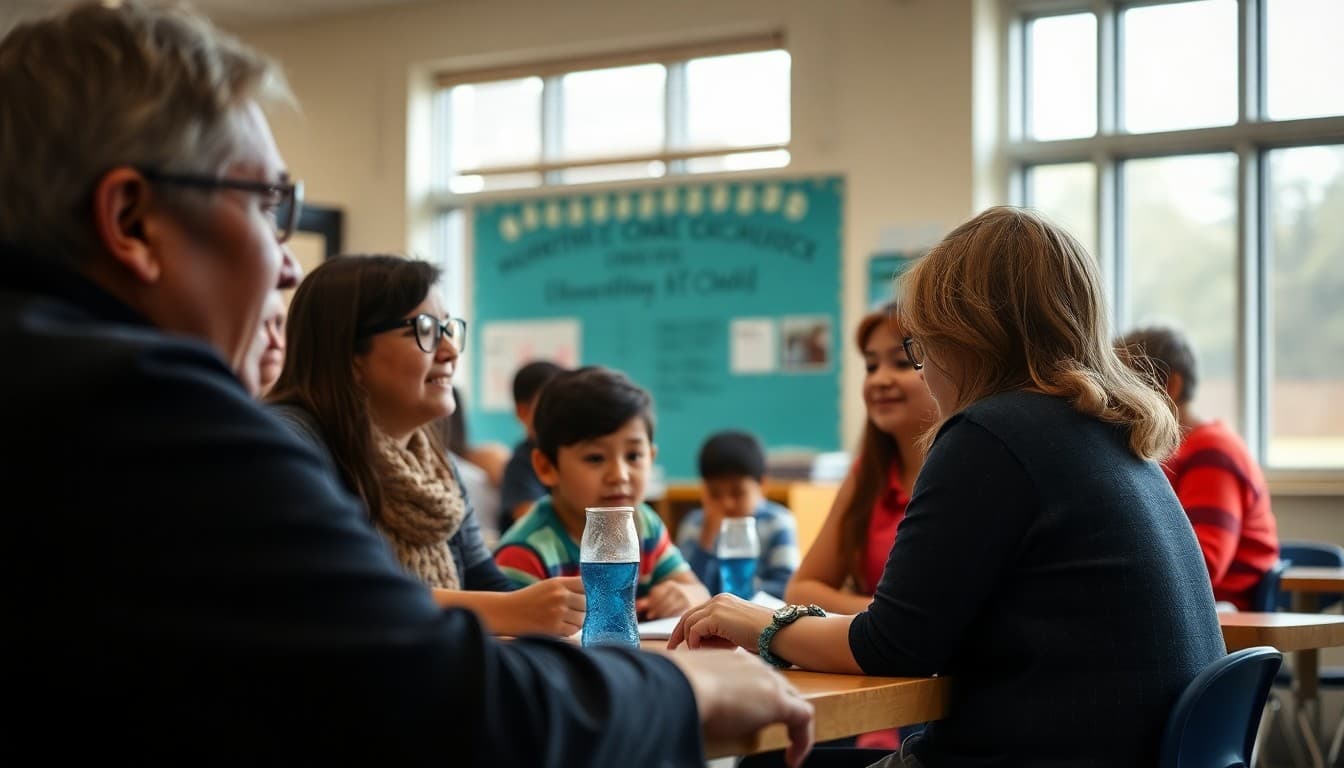
Title I School Family Communication in Kansas
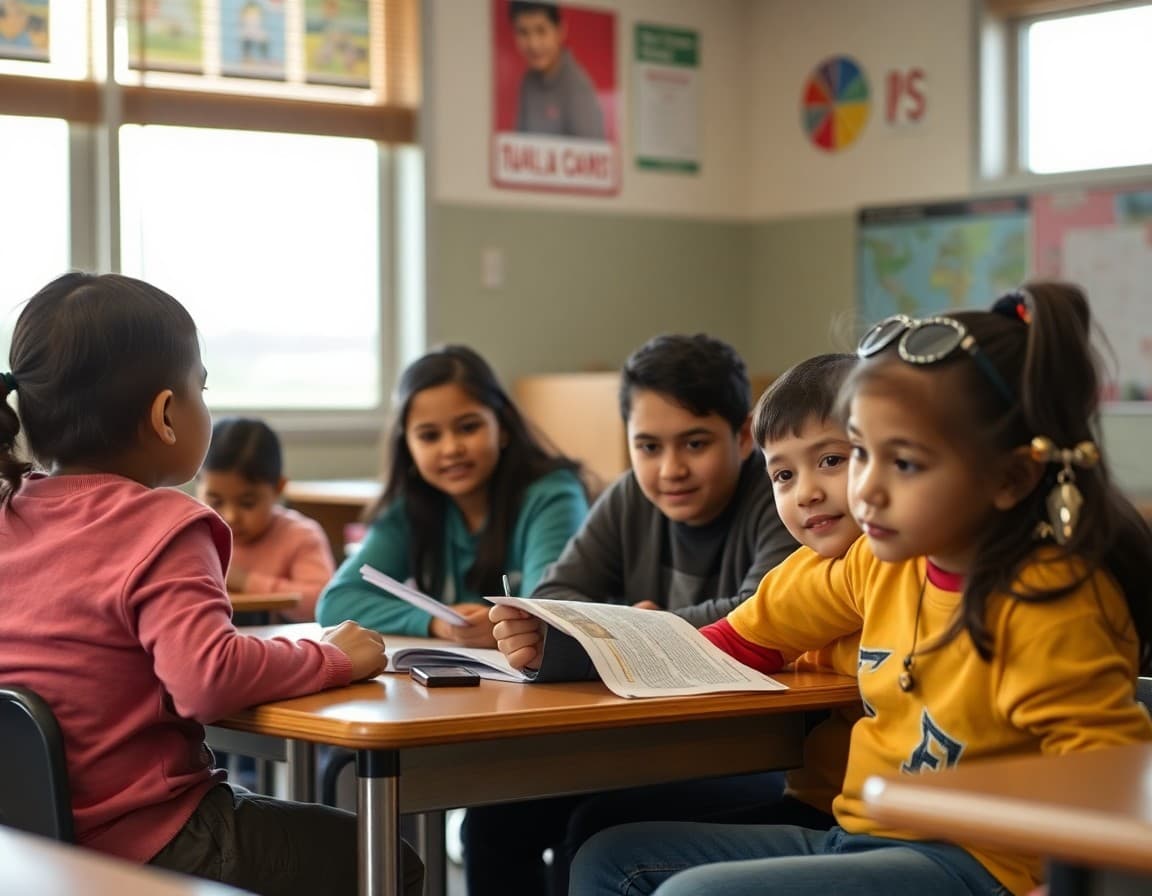
Southwest Kansas has undergone one of the most dramatic demographic transformations of any region in the country over the past 30 years. Garden City, Liberal, and Dodge City were mostly white agricultural towns before the beef processing industry arrived at scale. Today their schools serve students from Mexico, Central America, Somalia, Myanmar, and dozens of other places. The Title I schools in these communities face communication challenges that make most other districts look simple by comparison.
Kansas's Title I landscape
Wyandotte County, which includes Kansas City, Kansas, is one of the poorest counties in the state and has high concentrations of Title I schools in its urban core. Wichita's school district, the largest in Kansas, has significant Title I schools on the city's north side and in southeast Wichita. Southwest Kansas (Garden City, Liberal, Dodge City, and Ulysses) has rapidly diversifying Title I schools driven by meatpacking industry employment.
Southeast Kansas has rural poverty in former coal and agriculture communities that have not found replacement industries. Labette, Crawford, and Cherokee counties have some of the highest rural poverty rates in the state and schools that face challenges similar to Appalachian communities: low tax bases, difficulty retaining teachers, and families dealing with generational economic challenges.
ESSA requirements for Kansas Title I schools
The Kansas State Department of Education administers Title I and monitors compliance. Required activities under ESSA Section 1116:
- Annual meeting for all parents explaining Title I status and parent rights
- Family Engagement Policy developed with parent input, distributed annually
- School-Parent Compact provided to every family, discussed at parent-teacher conferences
- Annual notification of the right to request teacher qualification information
- At least 1% of Title I funds reserved for family engagement activities
Garden City: over 30 languages, one school district
Garden City USD 457 is frequently cited in national education reporting as an example of how small rural school districts have adapted to enormous demographic change. The district serves students speaking over 30 languages, with Spanish, Somali, Burmese, and several other languages spoken by significant numbers of families.
The district has invested in community liaisons who speak multiple languages and who are trusted members of their communities. This investment is not a luxury. Without community liaisons, many families in Garden City would have no effective communication channel with the school beyond their children.
For the Somali community, oral communication is often more effective than written materials because literacy rates vary. Mosques and community centers in Garden City serve as trusted gathering places where school information can be shared. For Burmese families, community organizations that serve the refugee community often have established communication networks.
Wyandotte County: urban poverty and diversity
Kansas City, Kansas, in Wyandotte County has a very different character from southwest Kansas. It is an urban environment with a predominantly Hispanic and Black population, significant economic challenges, and schools that have dealt with the impacts of urban disinvestment and population loss. Families here are more likely to have smartphones and home internet than rural southwest Kansas families, but still face economic stress and housing instability.
The Turner, Kansas City, and Piper school districts in Wyandotte County all have significant Title I schools. Communication in these districts benefits from digital tools but still requires attention to language access and clear, practical content.
School-Parent Compact writing for Kansas contexts
For meatpacking worker families, the compact should reflect the reality of physically demanding, shift-based work. Parent commitments should be achievable by a family where both adults may be working early morning or late evening shifts. School commitments should include a specific communication plan: how and when the school will contact families, in what language, and how families can reach the school in their own language.
In Garden City, having the compact available in Spanish and ideally in Somali shows preparation and respect. It does not need to be a perfect translation. A rough translation with a community liaison available to explain it in person is more effective than a flawless English-only document.
Annual Title I meeting strategies for diverse Kansas schools
For Garden City and Liberal schools, the annual Title I meeting should offer Spanish interpretation at minimum. Some schools have held separate information sessions in different languages, which improves depth of understanding even if it requires more staff time. Embedding the meeting in a school fair or family dinner brings in families who would not attend a standalone compliance event.
Consistent newsletters across Kansas's diverse Title I schools
For Kansas Title I schools from Wyandotte County to Garden City, a consistent bilingual newsletter is the most reliable ongoing family communication channel. Schools using Daystage send newsletters that arrive inline in email, reach families on smartphones in rural southwest Kansas and urban Kansas City, and can include multiple language sections in a single email. That consistency, week over week, builds the relationship that makes Title I compliance activities feel like real partnership rather than paperwork.
Get one newsletter idea every week.
Free. For teachers. No spam.
Frequently asked questions
What ESSA requirements apply to Kansas Title I schools?
Kansas Title I schools must hold an annual meeting for all parents explaining Title I status and parent rights, develop and distribute a Family Engagement Policy with parent input, provide every family a School-Parent Compact, reserve at least 1% of Title I funds for family engagement, and notify parents of their right to request teacher qualifications. The Kansas State Department of Education monitors Title I compliance through its school finance and Kan-Ed programs.
Where are Title I schools concentrated in Kansas?
Kansas Title I schools are concentrated in Wichita (the state's largest city), Kansas City/Wyandotte County (one of the poorest counties in the state), and meatpacking towns including Garden City, Liberal, Dodge City, and Emporia. Southwest Kansas has seen dramatic demographic change driven by beef processing, with large Hispanic, Somali, and Burmese populations. Southeast Kansas has rural poverty in communities dependent on declining agricultural and energy sectors.
How do Kansas meatpacking schools communicate with diverse immigrant families?
Garden City, Liberal, and Dodge City have been transformed by the beef processing industry. Tyson, Cargill, and National Beef operations employ workers from Mexico, Central America, Somalia, Myanmar, and other countries. Schools in these communities need multilingual communication capacity. Garden City USD 457 serves students speaking over 30 languages. Community liaisons, multilingual newsletters, and partnerships with ethnic community organizations are all essential.
What languages do Kansas Title I schools need to support?
Spanish is the primary non-English language in most Kansas Title I schools. Garden City and Liberal also have significant Somali communities, and Garden City has one of the largest Burmese populations in the Midwest. Dodge City has large Spanish-speaking and Somali populations. Wyandotte County in Kansas City has Spanish, Somali, and Vietnamese-speaking families. Federal law requires materials in a language families understand.
What newsletter tool works for Kansas Title I schools?
Daystage is used by Kansas schools to send bilingual newsletters to diverse families. For southwest Kansas schools with multiple language groups, Daystage lets staff create a single newsletter with English and Spanish sections. Inline email delivery without extra click-throughs works well for families using smartphones in rural southwest Kansas.

Adi Ackerman
Author
Adi Ackerman is a former classroom teacher and curriculum writer with 8 years in K-8 schools. She writes about school communication, parent engagement, and what actually works in real classrooms.
More for Rural & Title I
Ready to send your first newsletter?
3 newsletters free. No credit card. First one ready in under 5 minutes.
Get started free