

Kansas Rural School Newsletter Guide for Plains and Meatpacking Communities
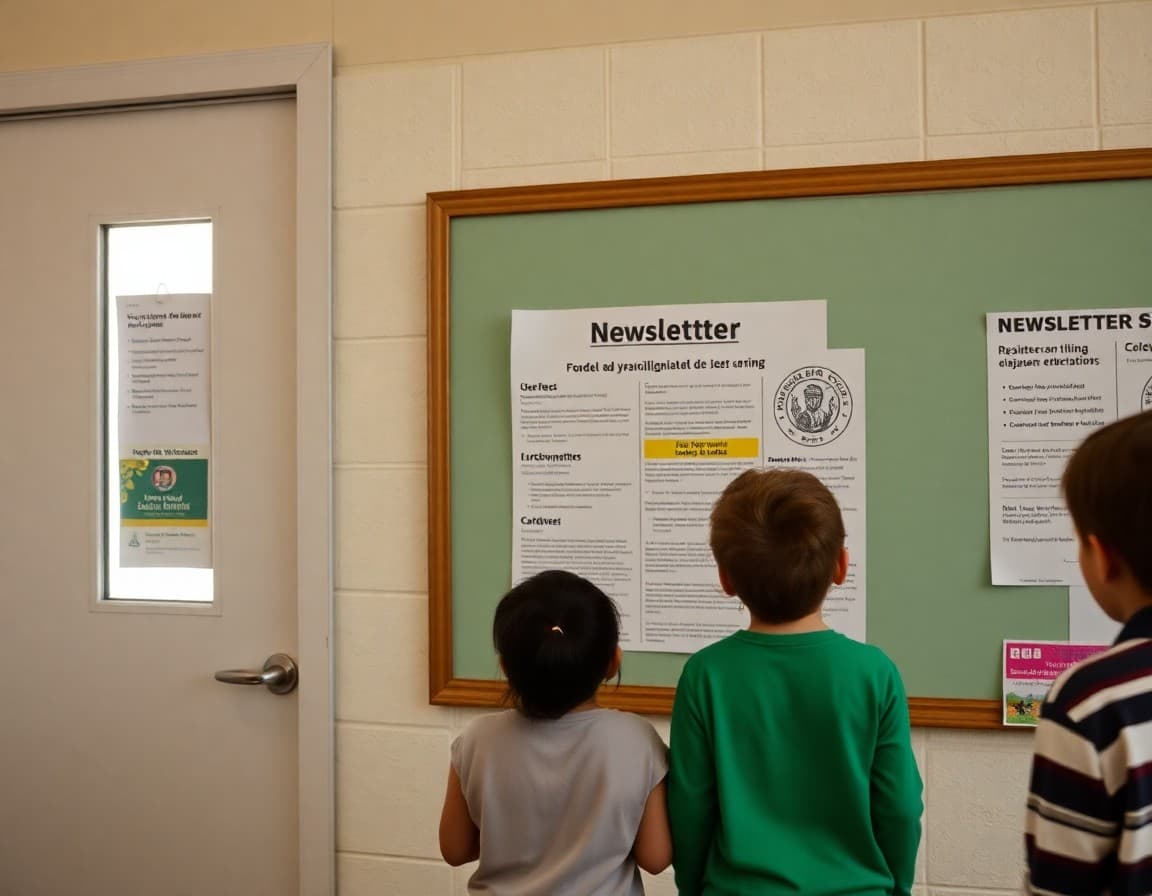
Garden City, Kansas has a school district where students speak more than 30 languages. The meatpacking plant is the reason. Families from Mexico, Guatemala, Somalia, Myanmar, and Vietnam all have children in the same schools. A newsletter that reaches all of these families is not simple to produce, but the schools that have built multilingual systems report significantly better family engagement than those that sent English-only communications and hoped for the best.
Kansas Rural Schools: Two Very Different Contexts
Kansas rural education splits into two distinct challenges. Southwest Kansas, anchored by Tyson Foods and National Beef operations in Garden City and Liberal, has highly diverse immigrant and refugee populations that require multilingual communication. The rest of rural Kansas, from wheat country in the center to the eastern counties, has traditional agricultural communities with varying broadband access and seasonal work schedules. Each requires a different approach.
Southwest Kansas: Multilingual Communication
Finney and Seward counties have Spanish-speaking families as the largest non-English language group, followed by Burmese, Somali, and Vietnamese in some communities. A bilingual Spanish-English newsletter covers the largest gap. For other language groups, a summary paragraph through a community liaison handles the most critical information. For Title I rights, enrollment notices, and special education communications, full translation in the family's language is legally required.
Wheat Farming Communities: Seasonal Availability
Wheat harvest across Kansas' central and western counties runs from late May through July. Families operating or working on wheat farms are largely unavailable during these weeks. A shorter newsletter focused only on critical summer program, meal, and enrollment information serves these families better during harvest. Full-length newsletters with five sections and event invitations can resume in August when schedules normalize.
Broadband Access Across Kansas
Rural Kansas has significant broadband gaps in its least-populated counties. A two-track system with digital delivery for families with internet access and printed copies for those without is the appropriate standard for most Kansas rural schools. County libraries and community centers serve as reliable distribution points for printed newsletters in smaller communities.
What Every Kansas Rural School Newsletter Should Include
Five items per week: key dates, meal program information, one Title I resource notice, schedule changes, and a student recognition. For southwest Kansas schools, include community resource information relevant to immigrant families: immigration legal aid contacts, health clinic hours, and community services. For farming community schools, reduce to three items during harvest season. Keep total reading time under three minutes.
Food Security in Kansas Rural Communities
Kansas meatpacking communities and rural farming counties both have food insecurity, particularly for low-wage workers and seasonal employees. Newsletters that communicate free and reduced meal availability plainly and repeatedly help families access the program. Write it directly: "Free breakfast is available every morning starting at 7:30. All students are welcome."
Title I Communication and Legal Requirements
Kansas Title I schools must distribute their parent engagement policy, school-parent compact, and annual report. The newsletter handles this distribution efficiently. For schools with large non-English populations, the quarterly newsletter insert should include a translated summary. Daystage makes it simple to add these blocks quarterly without rebuilding the newsletter layout.
Using Community Networks for Broader Reach
In southwest Kansas meatpacking communities, the food bank, the Catholic church, the Somali community center, and the school itself are distribution points where printed newsletters reach families who are not online. Building a relationship with community organizations that already have the trust of immigrant and refugee families extends the newsletter's reach significantly beyond digital delivery alone.
Kansas rural schools that build communication systems matched to their community's language diversity and agricultural rhythms reach families who would otherwise stay disconnected. The newsletter is the weekly signal that the school sees and respects every family it serves.
Get one newsletter idea every week.
Free. For teachers. No spam.
Frequently asked questions
What communication challenges are specific to Kansas rural schools?
Southwest Kansas schools in Finney and Seward counties serve highly diverse meatpacking populations with families from Mexico, Central America, Southeast Asia, and East Africa. Western Kansas wheat farming communities have geographic isolation and varying broadband access. Both contexts require newsletters designed for their specific conditions.
How should Garden City area schools approach multilingual newsletters?
Garden City and Liberal have some of the most diverse school populations in the Great Plains. Spanish is the dominant second language, but Burmese, Somali, and Vietnamese are also spoken. A Spanish bilingual format is the minimum. Community liaisons for other language groups handle high-stakes communications like Title I rights notices.
How do wheat farming community schools adjust newsletters for harvest?
Wheat harvest in Kansas runs May through July. Newsletter length and complexity should be reduced during this period. A three-item newsletter focused only on critical dates, any school closures, and meal information serves farming families better than a full-length newsletter during harvest.
What content is most useful for Kansas rural families?
Meal program details, Title I tutoring availability, testing schedules, and bus route information are highest priority. For meatpacking communities, after-school program enrollment is also high priority given shift work schedules.
What newsletter tool works for Kansas rural schools?
Daystage sends lightweight newsletters and tracks open rates. For diverse Kansas schools, the analytics help identify which families need translated copies or printed backup delivery.

Adi Ackerman
Author
Adi Ackerman is a former classroom teacher and curriculum writer with 8 years in K-8 schools. She writes about school communication, parent engagement, and what actually works in real classrooms.
More for Rural & Title I
Rural School Newsletter Guide: Communication Strategies for Small and Remote Schools
Rural & Title I · 7 min read
Rural School Bilingual Family Newsletter: How Schools Communicate Across Language Barriers
Rural & Title I · 5 min read
Title I Parent Engagement Newsletter: Meeting Federal Requirements While Building Real Connections
Rural & Title I · 8 min read
Ready to send your first newsletter?
3 newsletters free. No credit card. First one ready in under 5 minutes.
Get started free