
Illinois Rural School Newsletter Guide for Downstate and Agricultural Communities
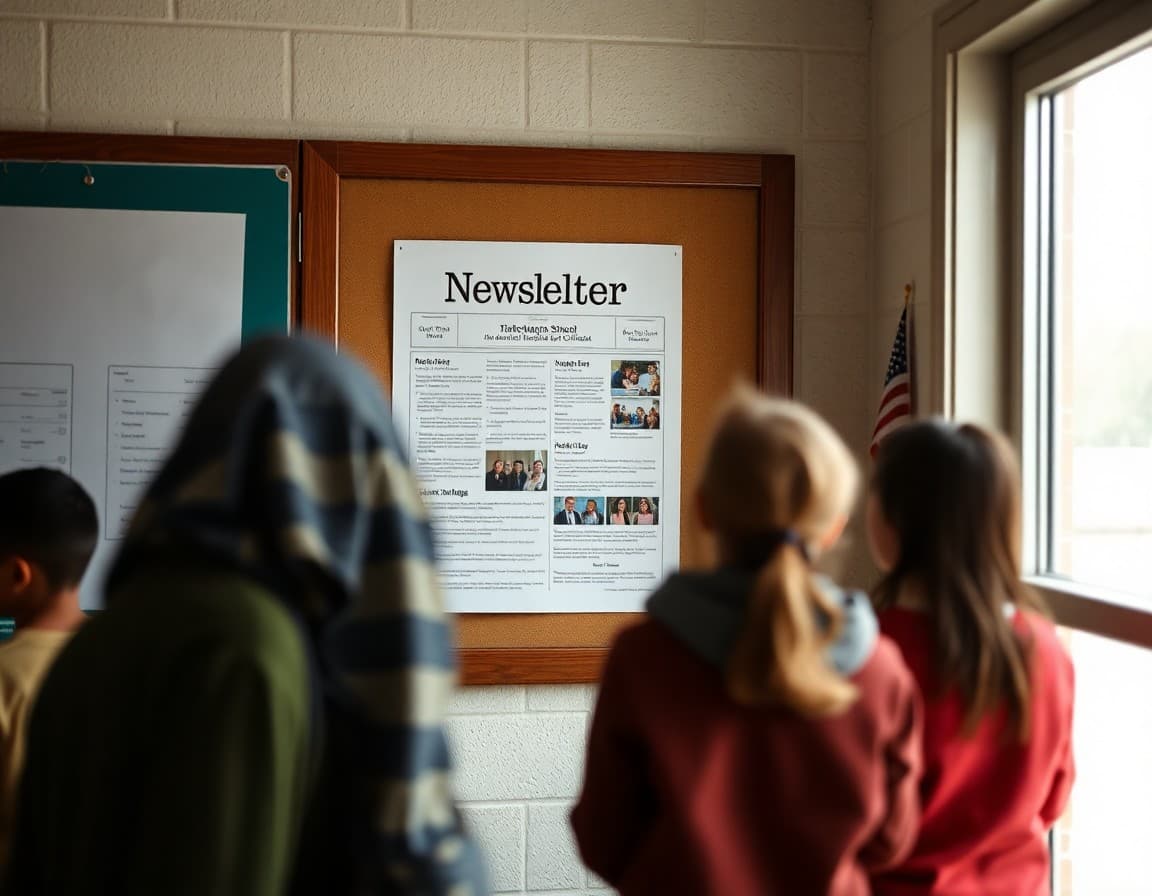
A teacher in Alexander County, Illinois, which has the highest poverty rate of any county in the state, starts every newsletter with a direct statement of what is available to families this week: tutoring on Tuesday and Thursday, free breakfast at 7:15, and the food pantry pickup on Friday afternoon. She writes what families need before she writes what the school needs. Her newsletter gets read. The district's generic template newsletter does not.
Illinois Rural Schools and the Downstate Divide
Illinois' education conversation is dominated by Chicago, but 70% of the state's land area is rural. Southern Illinois counties from Alexander and Pulaski up through Saline and White have poverty rates comparable to the Deep South. Broadband penetration in these counties is limited, family incomes are low, and school resources are stretched. The newsletter for these schools needs to reflect their actual community conditions, not a suburban best-practice template.
Agricultural Central Illinois: Seasonal Scheduling
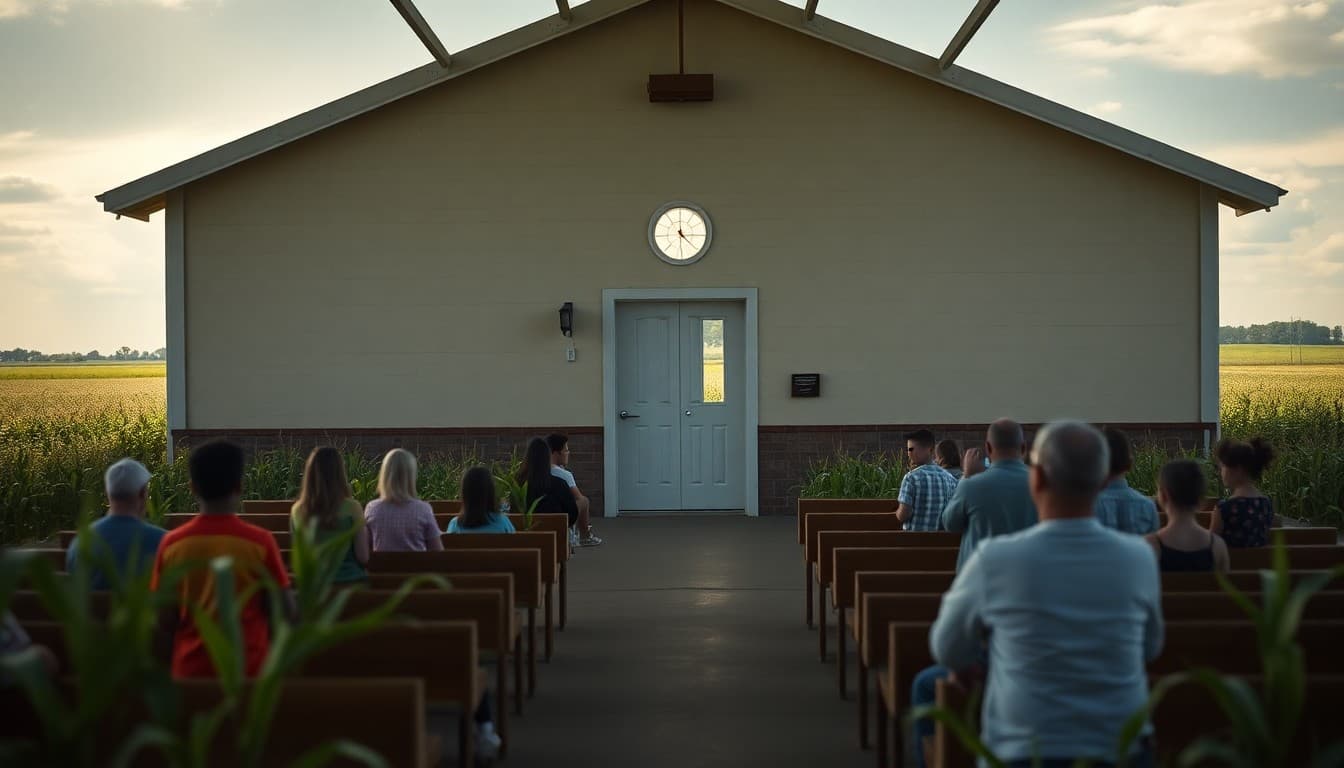
Corn and soybean farming in central Illinois runs on planting and harvest schedules that dominate family life from April through October. Parents working on farms or in grain elevators are not available for school involvement during these periods. Newsletters that acknowledge the agricultural calendar and shift information delivery to match family availability get read. Newsletters that ignore it create friction.
Meatpacking and Processing Community Communication
Communities around meatpacking and food processing plants in central Illinois, including areas around Beardstown and Canton, have significant Spanish-speaking worker populations. A bilingual newsletter or Spanish summary covers the most important communication gap. For Title I rights and enrollment notices, full Spanish translation is legally required and practically necessary.
What Every Illinois Rural School Newsletter Should Include
Five items: key dates, meal program information, one Title I program or resource notice, schedule changes, and a student recognition. For southern Illinois schools with high food insecurity, put the meal program information first. For agricultural community schools, put harvest-season relevant information where families can find it quickly. Keep total reading time under three minutes.
Food Security in Southern Illinois
Alexander and Pulaski counties have student food insecurity rates among the highest in the Midwest. Newsletters that communicate free breakfast availability, Community Eligibility Provision status, and food pantry distribution schedules give families information they need. Write it plainly: "Free breakfast and lunch are available for every student every day. No application required." Direct language removes the question of whether the family qualifies.
Title I Requirements and Newsletter Workflow
Illinois Title I schools must distribute their parent engagement policy, school-parent compact, and annual report. The newsletter is the most reliable distribution channel. Quarterly inserts with a summary and a contact number for questions cover the legal requirement. Daystage allows you to save these as template blocks and insert them in each quarter's issue without rebuilding the layout each time.
Digital Access Gaps in Rural Illinois
Southern Illinois counties have some of the lowest broadband subscription rates in the state. A two-track system, digital email for families with internet and printed copies for families without, is not a temporary workaround. It is the correct permanent approach for schools serving these communities. The printed copies can be distributed through the school pickup line, the local Dollar General, or the county health department.
Tracking Newsletter Engagement
Open-rate data tells you which families have not read the newsletter in weeks. In a small downstate Illinois school where most families are known by name, this data turns into action: a note home with the student, a phone call from the front office, or a word through a neighbor. Building a feedback loop into the newsletter system is what separates managed communication from a broadcast that may or may not land.
Illinois rural and downstate Title I schools that build communication systems matched to their communities' real conditions build the family trust that drives better attendance, stronger Title I participation, and improved student outcomes over time. The newsletter is the weekly investment in that relationship.
Get one newsletter idea every week.
Free. For teachers. No spam.
Frequently asked questions
What communication challenges do Illinois rural schools face?
Downstate Illinois counties, particularly in the far south, have significant poverty and limited broadband compared to the Chicago suburbs. Southern Illinois counties like Alexander and Pulaski have among the highest poverty rates in the state. Families in agricultural communities in central Illinois work long hours during planting and harvest seasons with limited availability for school involvement.
How do Illinois Title I schools handle multilingual communication?
Illinois has significant Spanish-speaking populations in agricultural communities, particularly in the Champaign-Urbana area and the Illinois River valley, where meatpacking and agricultural processing industries are concentrated. A bilingual newsletter or Spanish summary covers the most critical need for these families.
How often should Illinois rural schools send newsletters?
Weekly newsletters are the standard. For families in very rural southern Illinois counties with limited broadband, pairing the digital version with a printed backup sent home in the student's folder covers the digital access gap.
What newsletter content matters most for Illinois rural families?
State testing schedules, meal program information, Title I tutoring availability, and school event dates are the highest-priority items. For agricultural communities, harvest-season scheduling acknowledgment reduces the communication gap during the busiest work periods.
What newsletter tool works for Illinois rural schools?
Daystage is built for school newsletters and tracks open rates so teachers in downstate Illinois schools can identify which families need printed copies or phone outreach rather than digital-only delivery.

Adi Ackerman
Author
Adi Ackerman is a former classroom teacher and curriculum writer with 8 years in K-8 schools. She writes about school communication, parent engagement, and what actually works in real classrooms.
More for Rural & Title I
Rural School Newsletter Guide: Communication Strategies for Small and Remote Schools
Rural & Title I · 7 min read
Title I Parent Engagement Newsletter: Meeting Federal Requirements While Building Real Connections
Rural & Title I · 8 min read
How Rural Schools Can Address Food Insecurity Through the School Newsletter
Rural & Title I · 5 min read
Ready to send your first newsletter?
3 newsletters free. No credit card. First one ready in under 5 minutes.
Get started free