
Iowa Rural School Newsletter Guide for Farming and Meatpacking Communities
A principal in Storm Lake, Iowa knows her school newsletter needs to be in three formats: English, Spanish, and sent to the Burmese community liaison who translates key sections for families from Myanmar. Storm Lake is one of the most linguistically diverse small cities in the United States, built around a pork processing plant. The newsletter is how a school of 1,000 students keeps 27 language groups connected to the school year.
Iowa's Rural School Communication Diversity
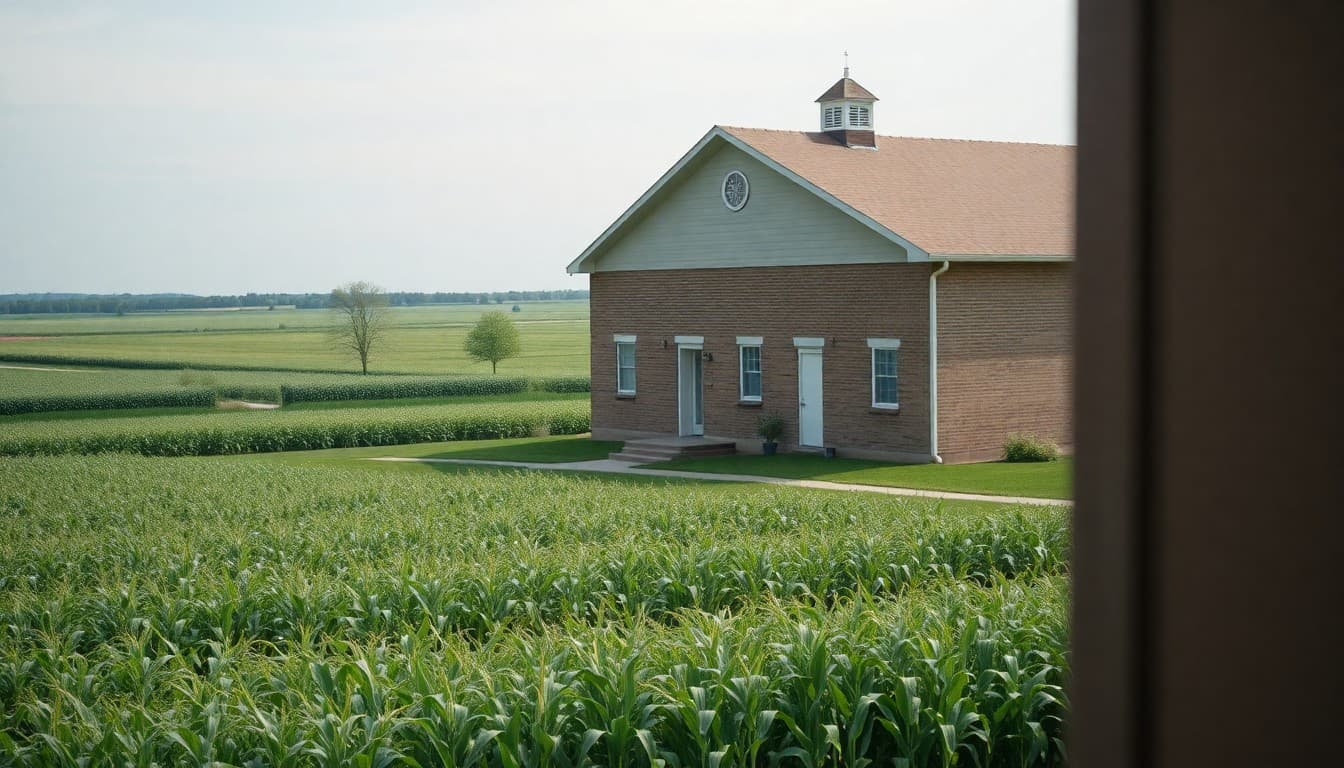
Iowa's rural school population is more linguistically diverse than it was 20 years ago, driven by meatpacking, poultry processing, and agricultural processing industries that have recruited workers from Latin America, Southeast Asia, and East Africa. At the same time, traditional farming communities with multi-generation Iowa families continue across most of the state's 99 counties. These two audiences have very different communication needs.
Meatpacking Community Schools: Language and Shift Work
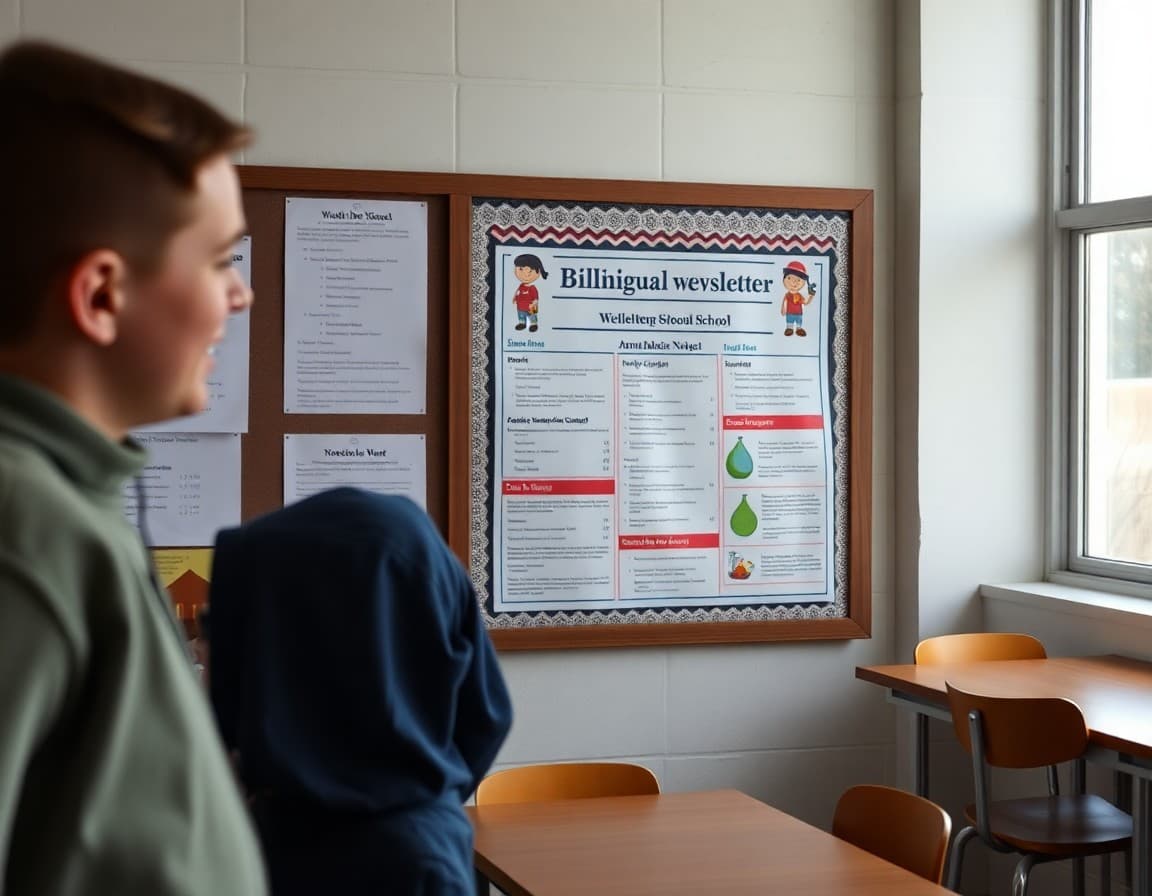
Waterloo, Marshalltown, Perry, and Storm Lake have schools shaped by the meatpacking industry. Families work early morning or overnight shifts. Spanish, Burmese, Somali, and Sudanese are all spoken in these schools. A newsletter that is only in English, sent at noon on a Friday, reaches almost no one in these families. A bilingual newsletter timed for 5 or 6 PM on Thursday reaches families between shifts and in their home language.
Farming Community Schools: Seasonal Availability
Traditional corn and soybean farming families across central and northwest Iowa have different challenges: they are usually English-speaking but extremely busy during planting in April through May and harvest in September through November. Newsletters during harvest should be shorter, more direct, and focused on the few things that absolutely cannot be missed. Longer, more detailed newsletters work better in the winter months when farm schedules slow down.
What Every Iowa Rural School Newsletter Should Include
Five items per week: key dates, meal program information, one Title I resource notice, schedule changes, and a student recognition. For meatpacking community schools, add re-enrollment information monthly. For farming communities, shorten the newsletter during planting and harvest to three items. Keep total reading time under three minutes in all contexts.
Food Security in Iowa Rural Communities
Iowa has food insecurity concentrated in meatpacking communities and some rural farming counties. Newsletters should communicate free meal availability plainly, every issue: "Breakfast is free for all students starting at 7:30. No paperwork required." For families who are new to the community, the newsletter explanation may be the first they hear about the school meal program.
Title I Requirements and the Newsletter
Iowa Title I schools must share their parent engagement policy, school-parent compact, and annual report with families. The newsletter handles this distribution reliably. A quarterly insert in both English and the school's primary second language covers the requirement. Daystage makes it straightforward to add this quarterly block without rebuilding the newsletter layout each time.
Broadband Access Gaps in Rural Iowa
Iowa has made significant rural broadband investments, but gaps remain in some counties. A two-track system pairing digital delivery with printed copies for offline families covers the full population. In small Iowa towns, the city hall, the public library, the local diner, and the church are reliable places to post printed newsletters for families who do not check email.
Measuring Newsletter Reach
Open-rate tracking shows which families are not engaging. In Iowa's close-knit rural communities, this data is actionable: a note through the student, a phone call, or a connection through the community liaison. The newsletter becomes a communication management system, not just a broadcast. Daystage's analytics give you the data to make those follow-up decisions without guessing.
Iowa rural schools that build newsletter systems matching their community's language diversity and work schedules build the family trust that produces better attendance and stronger Title I participation. The investment in getting it right is modest. The return compounds every week.
Get one newsletter idea every week.
Free. For teachers. No spam.
Frequently asked questions
What are the communication challenges for Iowa rural schools?
Iowa has 99 counties, most of them rural, with varying broadband access. Farming families work long hours during planting and harvest. Meatpacking communities in Waterloo, Storm Lake, and Marshalltown have significant Spanish-speaking and Southeast Asian populations that need multilingual communication.
How should Iowa schools handle bilingual newsletter communication?
Storm Lake and Marshalltown have some of the most linguistically diverse school populations in the Midwest. Spanish is the most common non-English language, but Burmese, Spanish, and other Southeast Asian languages are also spoken. A Spanish-language version or bilingual format covers most of the communication need.
How do Iowa farming community schools time their newsletters?
Corn and soybean planting runs April through June, and harvest runs September through November. Newsletters during these periods should be shorter, focused on the most critical information, and timed for evenings when families are more likely to have a moment to read.
What content matters most in Iowa rural school newsletters?
ISASP testing schedule, meal program information, Title I tutoring availability, and bus route changes are the highest priority. For meatpacking community schools, re-enrollment procedures and after-school care availability are also high priority.
What newsletter tool works for Iowa rural schools?
Daystage delivers lightweight school newsletters and provides open-rate analytics so teachers can identify which families need printed copies or direct phone outreach.

Adi Ackerman
Author
Adi Ackerman is a former classroom teacher and curriculum writer with 8 years in K-8 schools. She writes about school communication, parent engagement, and what actually works in real classrooms.
More for Rural & Title I
Rural School Newsletter Guide: Communication Strategies for Small and Remote Schools
Rural & Title I · 7 min read
Rural School Bilingual Family Newsletter: How Schools Communicate Across Language Barriers
Rural & Title I · 5 min read
Title I Parent Engagement Newsletter: Meeting Federal Requirements While Building Real Connections
Rural & Title I · 8 min read
Ready to send your first newsletter?
3 newsletters free. No credit card. First one ready in under 5 minutes.
Get started free