
Rural School Communication Strategies for Hawaii Educators
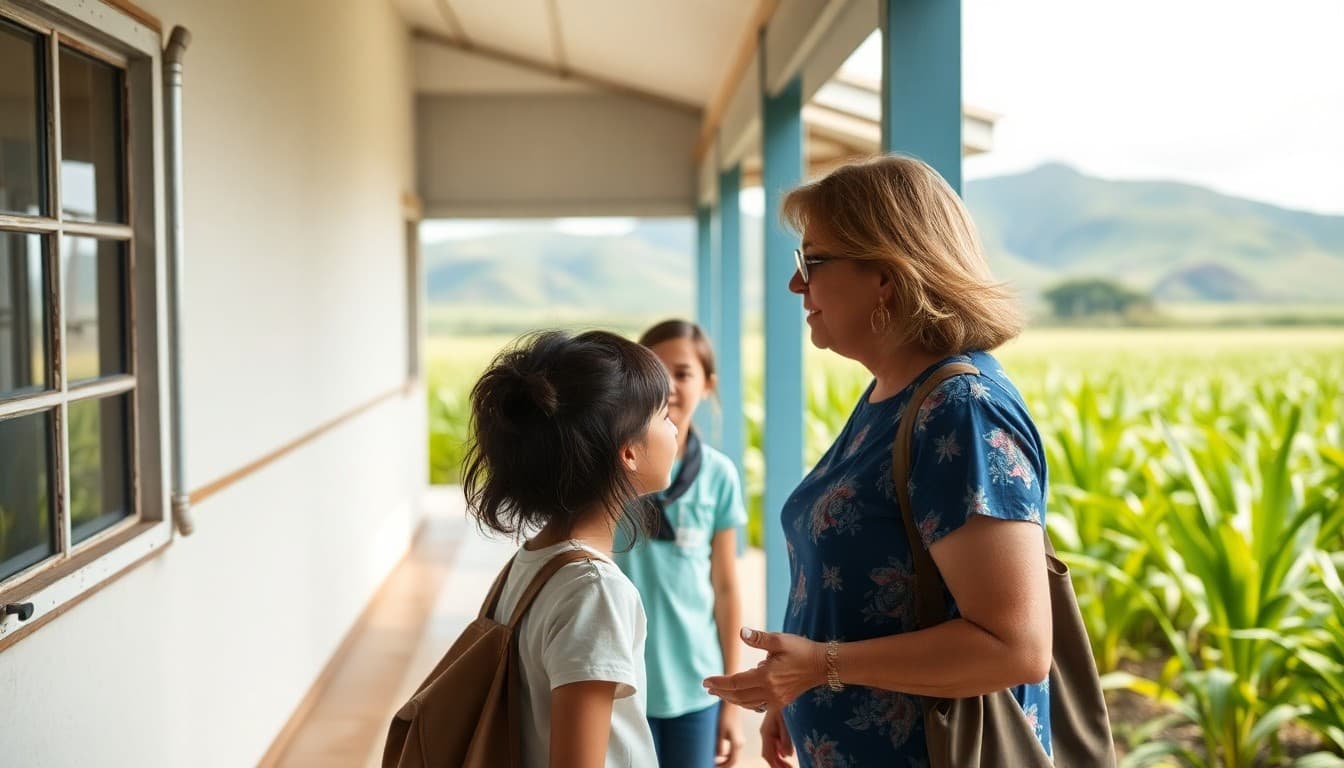
Hawaii's rural schools are unlike rural schools anywhere else in the country. Geographic isolation, multilingual communities across several distinct cultural groups, and the legacy of plantation-era demographics create a communication context that requires specific, locally grounded strategies. Generic rural school communication advice applies only partially here.
Native Hawaiian Families: Cultural Communication Context
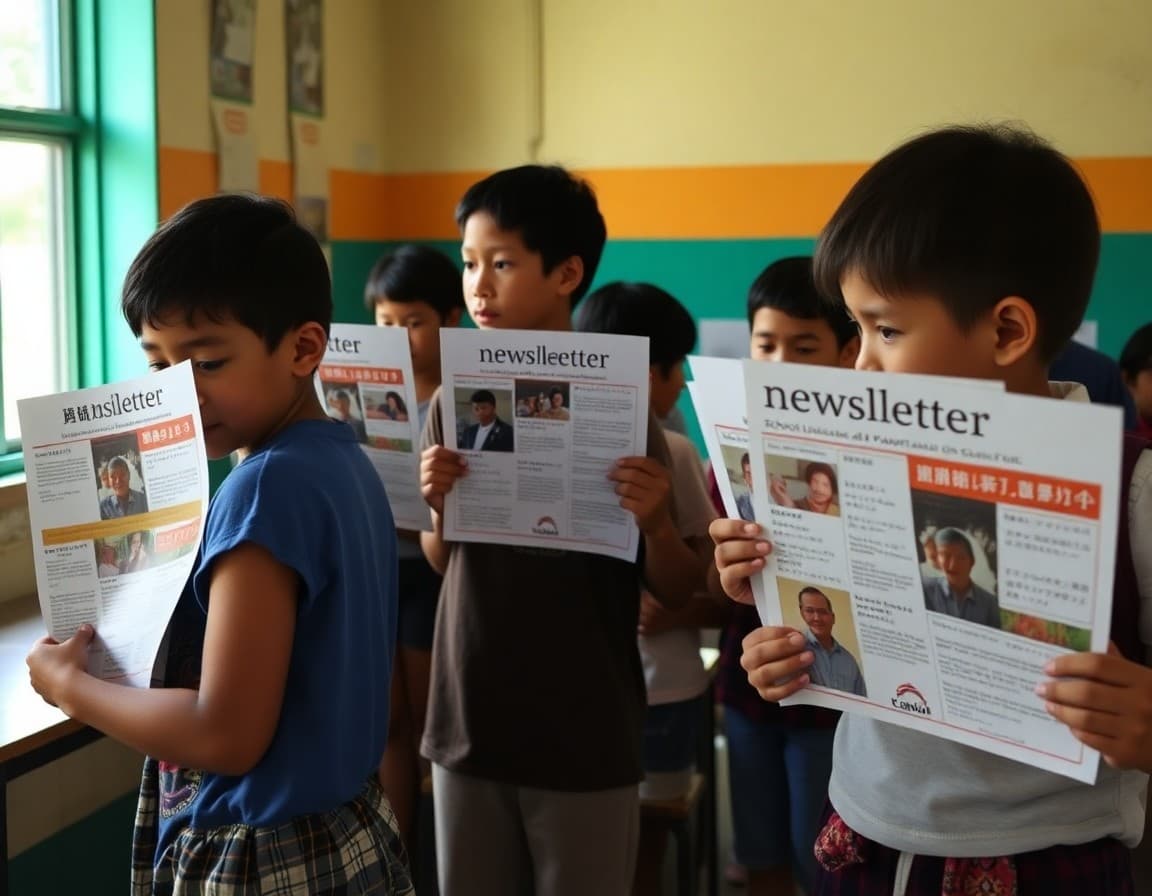
Schools serving Native Hawaiian communities, particularly in rural areas of Molokai, the Big Island's Puna district, and Maui's Hana area, work with families for whom 'ohana and community connection are central values. A newsletter that frames family engagement as a cultural practice rather than an institutional requirement lands differently. A Hawaiian greeting, a reference to the school's place in the community, and content that celebrates Hawaiian student identity builds the trust that makes other communication effective.
Filipino Plantation Community Descendants
Many Neighbor Island communities have deep roots in plantation-era Filipino immigration. English is broadly spoken in these communities, but Ilocano or Tagalog may be the language of older family members. A newsletter that includes a Filipino cultural event reference or a short Ilocano phrase acknowledges this community history. For critical communications reaching older caregivers, a Tagalog or Ilocano summary is worth the investment.
Micronesian Families: Language Access and Trust Building
Hawaii's Micronesian communities, including Marshallese, Chuukese, and Pohnpeian families, face significant barriers to school communication. Low English literacy among older family members, cultural differences around school authority, and limited professional translation resources for these languages make communication genuinely difficult. Schools that have Micronesian community liaisons or partner with Micronesian community organizations see substantially better engagement than those that rely on English-only institutional communications.
Connectivity on Molokai, Lanai, and Remote Big Island Communities
Molokai has among the least developed broadband infrastructure in the state. Lanai's single school serves a community where cellular service is the primary internet access for most families. Remote Big Island communities in Ka'u and Puna have areas with no reliable broadband. Newsletters for these communities need to be lightweight, mobile- optimized, and backed up by paper copies sent home with students.
Food Assistance in High-Need Rural Communities
Molokai has one of the highest poverty rates in the state. The Big Island's rural communities have significant food insecurity. Newsletter content that consistently and simply communicates meal program availability, summer food sites, and community resource referrals serves these families directly. No jargon, no shame language, specific and actionable.
Title I Communication in a Multi-Island System
Hawaii operates a single statewide school district, which means Title I schools across the Neighbor Islands follow the same state policies. The newsletter is the school-level delivery mechanism for required parent involvement and compact communications. Daystage tracks whether families have opened these communications, providing documentation for state program reviews.
Community Gathering Points Beyond the School
In small Neighbor Island communities, the community center, the county library, the church, and the local store are gathering points for families. Posting printed newsletters at these locations extends reach significantly in communities where digital access is limited. A 10-minute posting run on newsletter day is one of the highest-return communication investments a small school can make.
Hawaii rural educators who design communication that honors their community's cultural diversity and accounts for real connectivity limitations see stronger family engagement across all student populations. The newsletter is where that design work becomes visible.
Get one newsletter idea every week.
Free. For teachers. No spam.
Frequently asked questions
What communication challenges are specific to Hawaii rural schools?
Neighbor Island rural schools serve communities that include Native Hawaiian families, Filipino plantation community descendants, and significant Micronesian immigrant populations. Each community has distinct language preferences and cultural communication norms. Geographic isolation on the outer islands adds logistics challenges, and some areas on Molokai, Lanai, and rural Big Island communities have limited broadband.
How should Hawaii rural school educators approach communication with Native Hawaiian families?
Native Hawaiian families often respond well to communication that acknowledges Hawaiian cultural values: family, community, and connection to place. Newsletters that reference the school's relationship to the land and community, use a Hawaiian greeting, and center family involvement as a cultural value rather than a compliance requirement build stronger engagement than institutional communications.
How do Hawaii rural schools reach Micronesian families?
Hawaii has the largest Micronesian population in the United States, with significant communities on Oahu and the Neighbor Islands. Marshallese, Chuukese, and Pohnpeian families have distinct languages and may have low English literacy among older family members. Translation resources for these languages are limited. Schools that invest in Micronesian community liaisons see substantially better engagement.
What digital access barriers do Hawaii rural educators face?
Molokai and Lanai have limited broadband infrastructure. Remote areas on the Big Island's Ka'u and Puna districts have spotty coverage. Even where internet exists, older devices and limited data plans affect whether families can access digital communications. Paper newsletters remain essential for these communities.
What newsletter tool supports Hawaii rural school communication across multiple languages?
Daystage lets Hawaii educators send multilingual newsletters and track which families are engaging with communications. Schools use it to identify families who need printed copies, to manage content for multiple language communities, and to document Title I family engagement activities.

Adi Ackerman
Author
Adi Ackerman is a former classroom teacher and curriculum writer with 8 years in K-8 schools. She writes about school communication, parent engagement, and what actually works in real classrooms.
More for Rural & Title I
Hawaii Rural School Newsletter Guide for Neighbor Island and Hawaiian Homelands Schools
Rural & Title I · 6 min read
Title I School Family Communication in Hawaii
Rural & Title I · 6 min read
How Rural Schools Serving Indigenous Communities Can Design Newsletters That Build Trust
Rural & Title I · 5 min read
Ready to send your first newsletter?
3 newsletters free. No credit card. First one ready in under 5 minutes.
Get started free