
Title I School Family Communication in Hawaii
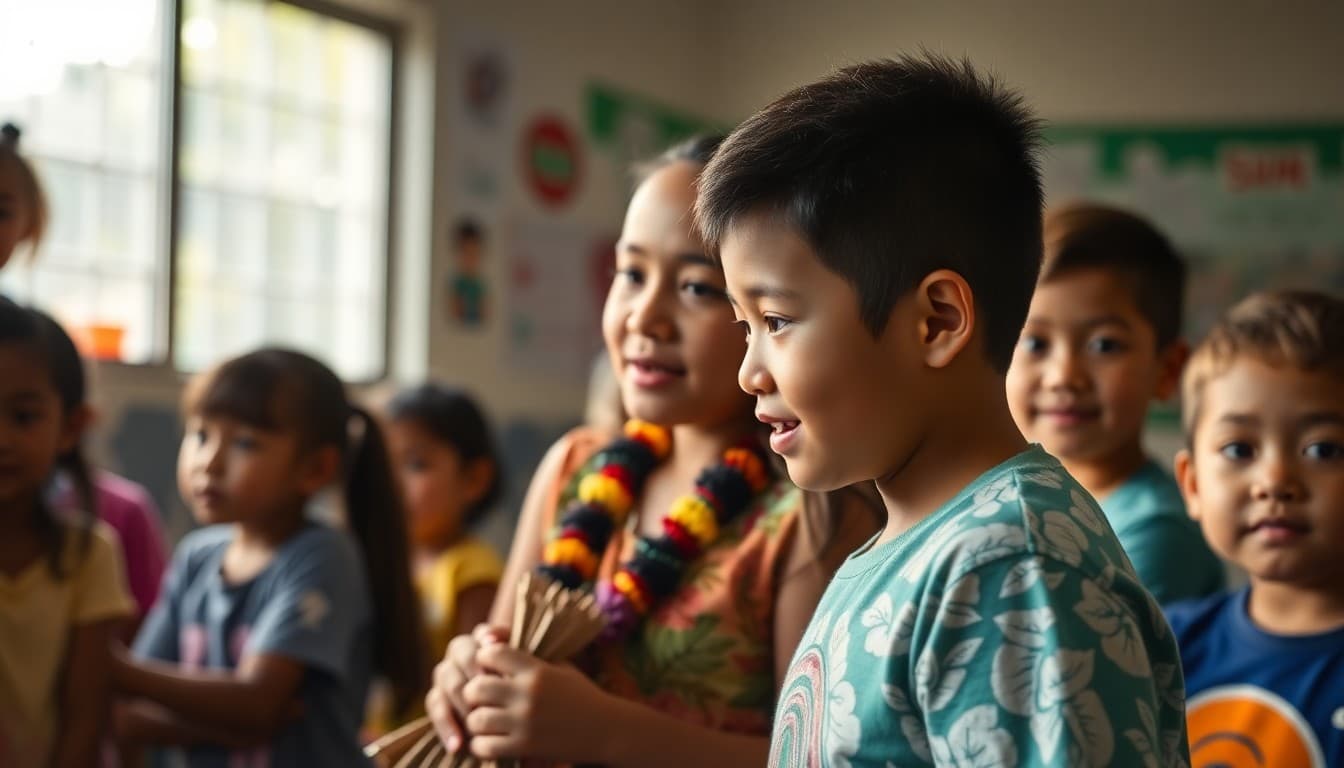
Hawaii has a single statewide school district, which makes it unique among US states for Title I administration. Its Title I schools span urban Honolulu neighborhoods, the rural Waianae coast, the island of Molokai, and communities on the Big Island. The families these schools serve are among the most linguistically and culturally diverse in the country, and effective communication requires more than a translated form.
Hawaii's Title I landscape
The Hawaii Department of Education operates all public schools in the state. Title I schools are distributed across the state but concentrated most heavily in Leeward Oahu. The Waianae coast, running from Nanakuli through Maili, Waianae, and Makaha, has the highest concentration of Native Hawaiians in the state and significant poverty. Schools like Nanakuli High and Waianae Elementary serve communities where many families face housing instability and economic stress.
Kalihi and Palama in urban Honolulu have dense immigrant communities, including large Micronesian and Filipino populations. Molokai, the least developed of Hawaii's main islands, has a predominantly Native Hawaiian population with high poverty rates and extremely limited economic infrastructure.
ESSA requirements for Hawaii Title I schools
Because Hawaii is a single district, the Hawaii DOE administers Title I across all schools directly. Required activities under ESSA Section 1116:
- Annual Title I meeting for all parents explaining the program and parent rights
- Family Engagement Policy developed with parent input, distributed at the start of the year
- School-Parent Compact provided to every family, discussed at parent-teacher conferences
- Annual notification of the right to request teacher qualification information
- At least 1% of Title I funds reserved for family engagement activities
Hawaii DOE provides guidance and templates for Title I compliance, and the single-district structure means schools can access central support relatively efficiently.
Native Hawaiian families and culturally responsive communication
The relationship between Native Hawaiian families and public schools carries the weight of history. The Hawaiian language was suppressed in schools for most of the 20th century, and the revitalization of the language through Hawaiian-medium schools (Punana Leo and Kula Kaiapuni programs) has been a community-led movement. Schools that acknowledge this history and that actively incorporate Hawaiian language and culture build trust more effectively than those that treat Hawaiian culture as an add-on.
Ohana, the Hawaiian concept of extended family and community, is not just a metaphor. Many Native Hawaiian families live in multi-generational households and make decisions collectively. School communication that addresses the whole household, not just the nuclear family unit, can reach more of the people who influence a child's education.
Micronesian and Pacific Islander family communication
Hawaii has one of the largest Micronesian populations in the United States, drawn by the Compact of Free Association that allows citizens of Palau, Marshall Islands, and the Federated States of Micronesia to live and work in the US without a visa. Chuukese is the most widely spoken Micronesian language in Hawaii, followed by Marshallese and Pohnpeian.
Families from Micronesian communities often have lower rates of formal education than other immigrant groups, which can mean lower literacy even in their own languages. Community liaisons who are from the community and trusted by families are particularly important for these schools. Oral communication and community meetings may reach these families more effectively than written newsletters alone.
Filipino and Ilocano-speaking communities
Hawaii has a large Filipino population with deep historical roots in the state going back to the plantation era. Many Filipino families speak Ilocano as their primary home language rather than Tagalog. Some schools in Kalihi and Waipahu have significant Ilocano-speaking enrollment. While Tagalog translations are more widely available, Ilocano translations matter for the specific communities that need them.
School-Parent Compact writing for Hawaii families
The compact should reflect the real conditions of Hawaii families. Housing costs in Hawaii are among the highest in the nation, and many low-income families work multiple jobs. The compact should acknowledge this without requiring activities that assume significant free time. "We will encourage our child to talk about school and complete their reading each evening" is achievable for most families.
School commitments should be specific and kept. A school that promises to contact families within 24 hours of an absence and actually does so builds credibility for every other commitment in the compact.
Annual Title I meeting approaches for Hawaii schools
Annual Title I meetings in Waianae and Molokai benefit from embedding in larger community gatherings. Some Waianae coast schools combine the meeting with a cultural event, a hula performance, or a school fair. On Molokai, where community gatherings at the school are natural social events in a small community, the annual meeting can be a relatively informal conversation if the content requirements are met.
Consistent newsletters in Hawaii's multilingual context
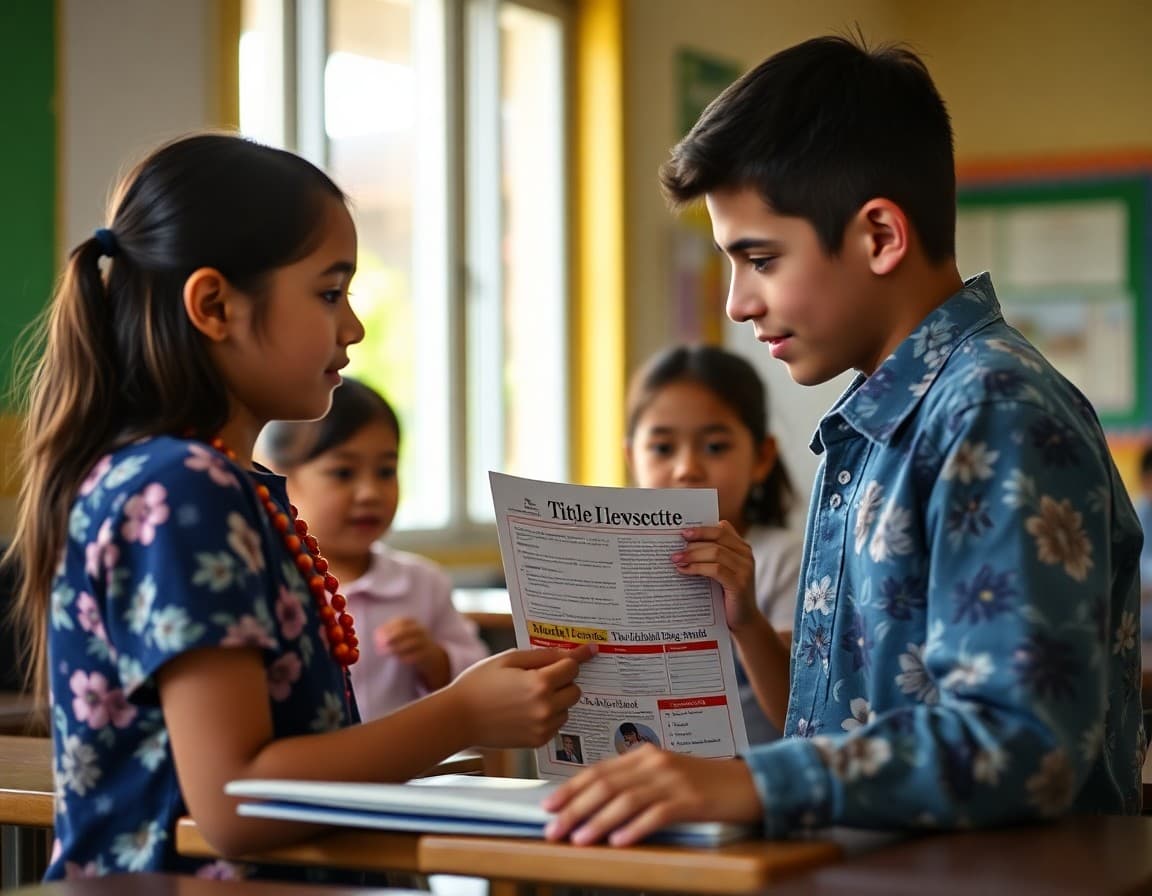
A consistent newsletter that serves Hawaii's Title I families needs to account for the range of languages present. Leading with English and including a Spanish section covers many families, but for schools with significant Chuukese, Ilocano, or other language populations, brief translated summaries or community liaison outreach fills the gap. Schools using Daystage can create multilingual newsletters efficiently and send them inline in email, reaching families across Hawaii's islands without requiring separate click-throughs.
Get one newsletter idea every week.
Free. For teachers. No spam.
Frequently asked questions
What ESSA requirements apply to Hawaii Title I schools?
Hawaii Title I schools must hold an annual meeting for all parents explaining Title I status and parent rights, develop and distribute a Family Engagement Policy with parent input, provide every family a School-Parent Compact, reserve at least 1% of Title I funds for family engagement, and notify parents of their right to request teacher qualifications. Because Hawaii has a single statewide school district, the Hawaii Department of Education monitors Title I compliance directly.
Where are Title I schools concentrated in Hawaii?
Hawaii's Title I schools are concentrated in the Waianae coast and Leeward Oahu (which has the highest Native Hawaiian population concentration in the state), parts of Honolulu's urban core (Palama, Kalihi, and Chinatown neighborhoods), rural Molokai and parts of Maui, and some Big Island communities. The Waianae coast has particularly high poverty rates relative to the state average. Hawaii's single-district structure means Title I schools span from urban Honolulu to very rural Molokai.
How should Hawaii Title I schools approach Native Hawaiian family engagement?
Native Hawaiian families often have strong community bonds through extended family (ohana), church, and cultural organizations like halau hula. Schools that engage with these existing networks, and that acknowledge the history of Hawaiian education including the suppression of the Hawaiian language, tend to build trust more effectively. Hawaiian language and cultural inclusion in school communications signals respect. Some schools on the Waianae coast have had success with family engagement activities centered on Hawaiian cultural practices.
What languages do Hawaii Title I schools need to support?
Hawaii's linguistic diversity is significant. On Oahu, schools in Kalihi and Palama serve large populations of Micronesian families (Chuukese, Marshallese, Pohnpeian), Filipino families (many of whom speak Ilocano or Tagalog), and Tongan and Samoan families. Ilokano is one of the most widely spoken non-English languages in Hawaii. Federal law requires that schools provide materials in a language parents understand, which creates translation obligations across many languages for some Hawaii schools.
What newsletter tool works for Hawaii Title I schools?
Daystage works well for Hawaii schools because it delivers newsletters inline in email without extra click-throughs, which matters for families using mobile data. For schools in areas like Waianae or Kalihi with multilingual families, Daystage lets staff create a single newsletter with multiple language sections. Hawaii schools using Daystage find that consistent weekly newsletters improve family engagement over time.

Adi Ackerman
Author
Adi Ackerman is a former classroom teacher and curriculum writer with 8 years in K-8 schools. She writes about school communication, parent engagement, and what actually works in real classrooms.
More for Rural & Title I
Ready to send your first newsletter?
3 newsletters free. No credit card. First one ready in under 5 minutes.
Get started free