
Georgia Rural School Newsletter Guide for Southwest and Coastal Plain Communities
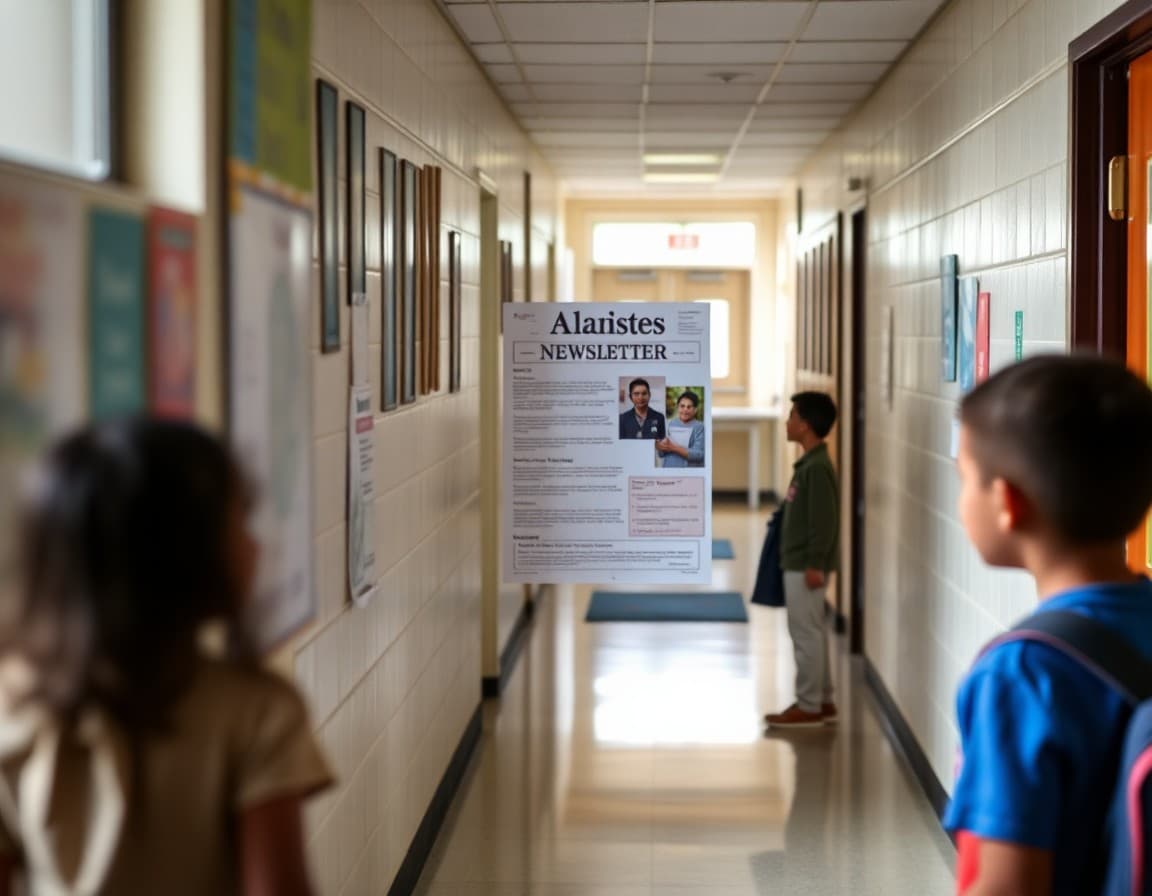
A principal in a Terrell County school in southwest Georgia knows that one-third of her families do not have home internet. She has known this for years and built around it. Every Friday, printed newsletters go home with those students. The result: her school has some of the highest Title I parent meeting attendance in the region. The families who could not open an email show up in person because they feel informed. That is what a working communication system produces.
Georgia's Rural School Communication Challenge
Georgia has persistent rural poverty concentrated in the Coastal Plain counties of the southwest and south-central regions, including Terrell, Calhoun, Clay, Randolph, and Quitman counties. These areas have historically underinvested broadband infrastructure, high rates of free and reduced meal eligibility, and families working in agriculture, manufacturing, or the informal economy. Communication strategies that assume universal broadband fail here.
The Two-Track Newsletter System
The most reliable newsletter system for rural Georgia schools runs two tracks simultaneously: a lightweight digital email for families with reliable internet access, and a printed copy for families identified as offline. The digital version needs to be plain-text or very low-image to load quickly on mobile data. The printed version needs to be single-page to control printing costs. Both contain the same information in the same order.
Agricultural Community Communication
Families in peanut, cotton, and sweet potato farming communities in southwest Georgia work schedules driven by planting and harvest. Attendance gaps during harvest are common and predictable. Newsletters that acknowledge this reality, rather than sending standard attendance warnings during known busy seasons, build the family trust that brings kids back to school when the work slows down. A brief note: "We know harvest season is busy. Here is how to catch up on any missed work" goes a long way.
Addressing Food Insecurity Directly
Georgia rural counties have high rates of student food insecurity. Newsletters that plainly communicate free breakfast availability, the Community Eligibility Provision status, and summer food site locations give families information that directly affects their children's wellbeing. Do not assume families know. Many do not, particularly those new to the school. Write it directly: "Breakfast is free every morning for every student starting at 7:30."
Hispanic and Bilingual Family Communication
Georgia's poultry processing industry has created significant Spanish-speaking communities in Hall, Gainesville, and surrounding counties, as well as in some Coastal Plain agricultural towns. A bilingual newsletter or Spanish summary covers the most critical communication gap for these families. For formal Title I communications, a translated document is legally required and builds the family relationship at the same time.
What Every Georgia Rural School Newsletter Should Include
Five items per week: dates, meal program information, one Title I resource or program notice, schedule or bus changes, and a student highlight. Keep reading time under three minutes. Families working double shifts in poultry plants or long days in fields read short newsletters. Long newsletters get set aside and forgotten.
Title I Compliance Through the Newsletter
Georgia Title I schools must distribute their parent engagement policy, school-parent compact, and annual report to families. Quarterly newsletter inserts with a summary of key documents and a pickup location for printed materials handle the distribution requirement efficiently. Daystage allows you to build these as reusable blocks so the quarterly insert takes minutes rather than an hour to prepare.
Community Posting Points in Rural Georgia
Dollar General, local churches, the county health department, and community centers are reliable places to post printed newsletters in rural Georgia communities. Many families visit these locations regularly and check posted notices as a habit. A laminated newsletter at the Dollar General checkout area reaches families who may never check their email but shop there twice a week.
Georgia rural schools that build newsletter systems calibrated to their community conditions are investing in the family trust that produces better attendance, stronger Title I participation, and improved student outcomes over time. The newsletter is not glamorous work. It is the foundation.
Get one newsletter idea every week.
Free. For teachers. No spam.
Frequently asked questions
What communication challenges are specific to Georgia rural schools?
Southwest Georgia and the Coastal Plain have some of the highest poverty rates and lowest broadband penetration in the state. Many families work in agriculture, poultry processing, or manufacturing. Limited digital access paired with long work hours means newsletters need a print backup and a consistent schedule families can count on.
How often should Georgia rural schools send newsletters?
Weekly newsletters are standard, but schools in areas with very limited internet access should always pair the digital version with a printed copy for students identified as offline. Consistency in timing matters as much as frequency.
What communication needs do Hispanic families in Georgia rural schools have?
Georgia's poultry processing corridor from Gainesville through Cumming has large Spanish-speaking populations, as do agricultural counties in the southwest. A bilingual newsletter or Spanish summary covers the most critical communication need. Title I rights notices require full translation.
What newsletter content is most useful for Georgia rural families?
Free and reduced meal reminders, bus route and schedule changes, Title I program updates, and testing dates are the highest-priority items. In agricultural communities, harvest season scheduling conflicts are worth acknowledging directly rather than treating attendance as purely discretionary.
What newsletter tool works for Georgia rural schools?
Daystage delivers lightweight email newsletters and tracks open rates. The analytics help teachers identify which families need printed copies or phone follow-up instead of digital-only delivery.

Adi Ackerman
Author
Adi Ackerman is a former classroom teacher and curriculum writer with 8 years in K-8 schools. She writes about school communication, parent engagement, and what actually works in real classrooms.
More for Rural & Title I
Rural School Newsletter Guide: Communication Strategies for Small and Remote Schools
Rural & Title I · 7 min read
Title I Parent Engagement Newsletter: Meeting Federal Requirements While Building Real Connections
Rural & Title I · 8 min read
How Rural Schools Can Address Food Insecurity Through the School Newsletter
Rural & Title I · 5 min read
Ready to send your first newsletter?
3 newsletters free. No credit card. First one ready in under 5 minutes.
Get started free