
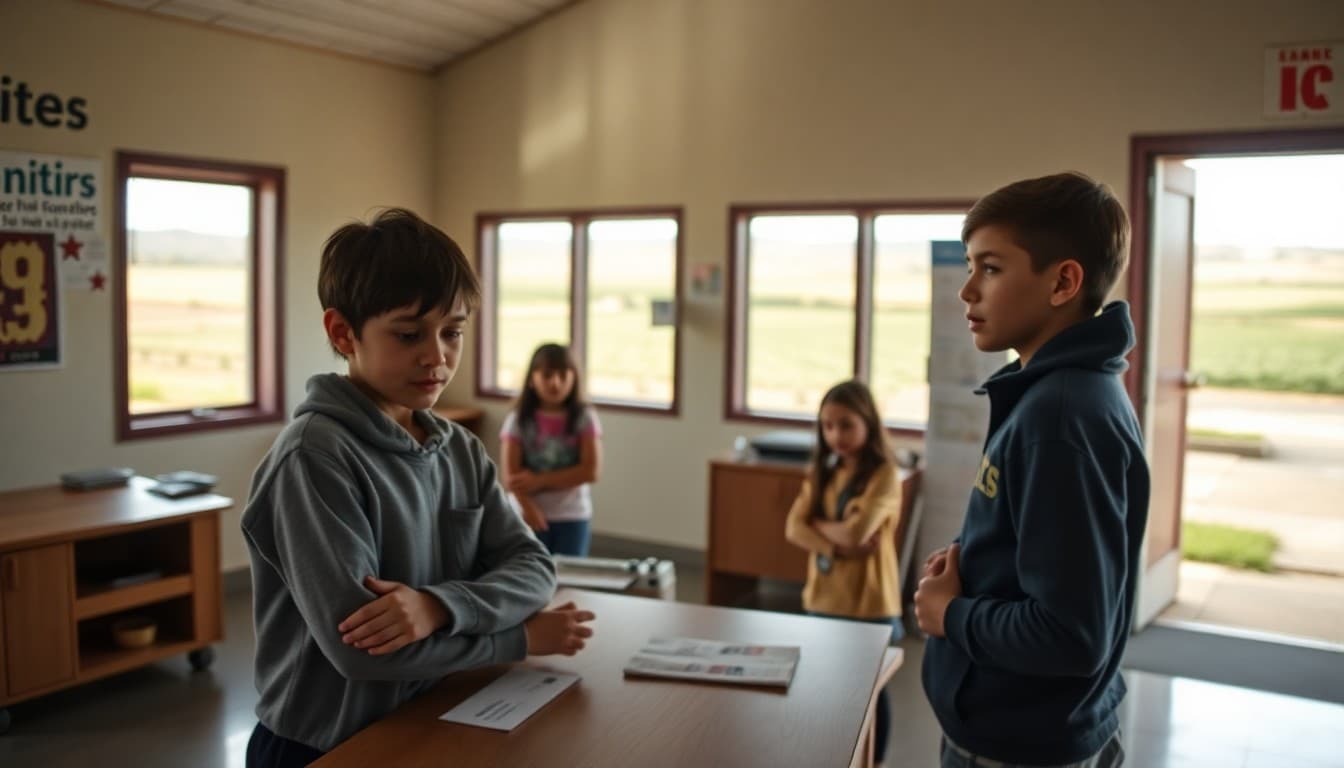
California Rural School Newsletter Guide for Farm and Mountain Communities
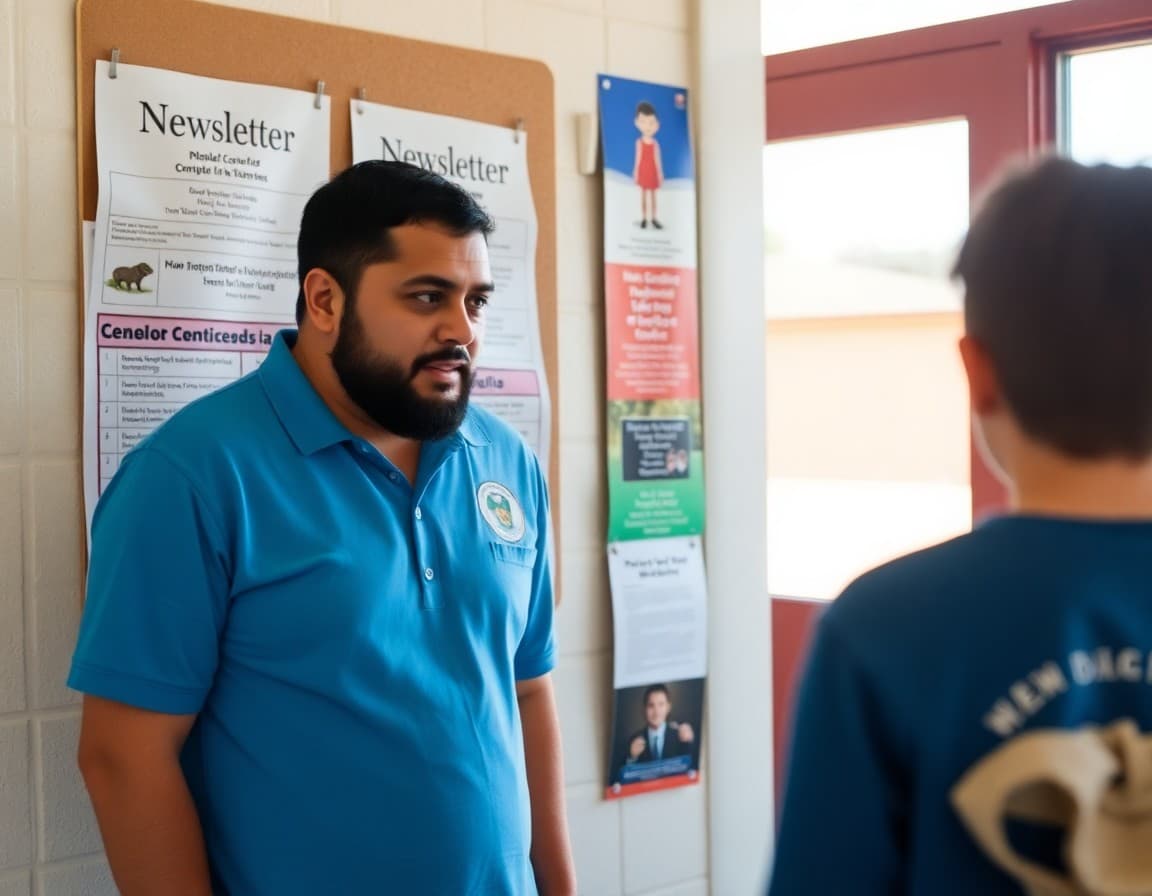
A teacher in a Fresno County school serving migrant families writes her newsletter in English, then hands it to the bilingual aide to translate the key sections into Spanish. She sends it Thursday evening so families can read it before the weekend. Half of her class's families work in the fields starting at 5 AM. That timing decision, based on knowing her families' actual schedules, doubles her newsletter open rate.
The California Rural School Communication Landscape
California's rural school population is more linguistically diverse than any other state in the country. The Central Valley, the North Coast, and the mountain counties of the Sierra Nevada and Cascades serve agricultural communities, tribal nations, and isolated ranching families. Each requires a different communication approach. There is no one-size solution.
Farmworker and Migrant Family Communication
Tulare, Kings, Fresno, and Kern counties have high concentrations of migrant farmworker families. These families may be housed in labor camps, move between districts seasonally, and have limited English. The newsletter needs to be in the family's language, delivered digitally if they have a smartphone and printed if they do not, and consistent enough that families recognize it even when they are new to the school.
Language Access Is a Legal Requirement
California's English Learner Advisory Committee requirements and federal Title III obligations mean schools must communicate with non-English-speaking families in a language they understand. For newsletters, this means translated summaries at minimum and fully translated legal notices for Title I, enrollment, and discipline information. A bilingual newsletter that families can rely on reduces the legal risk and builds the relationship simultaneously.
Mountain and Tribal Community Communication
Trinity, Modoc, and Alpine counties in California's mountain regions have low population density and limited broadband. Tribal schools on the Yurok, Karuk, and Hoopa reservations face the same satellite connectivity constraints seen in Alaska and Arizona. Newsletters for these schools need to be lightweight, printable, and distributed through community hubs like the tribal health center or the local general store.
What Every California Rural School Newsletter Should Include
Five items per issue: the week's key dates, meal program information, one Title I resource or program notice, any schedule changes, and a student or classroom recognition. For migrant families, add a one-line note with the re-enrollment contact number every month. For tribal schools, including a cultural calendar acknowledgment builds community trust without adding significant length.
Addressing Food Insecurity in Agricultural Communities
California has a strong free and reduced meal program, but many farmworker families do not know their children qualify or do not have the time to complete applications. Newsletter reminders about application deadlines, automatic enrollment through the Community Eligibility Provision, and summer food sites are high-value content. Write it directly: "All students at our school receive free meals. No application is required."
Timing Newsletters Around Agricultural Work Schedules
Central Valley families working harvest or field prep are often unavailable during school hours and early afternoon. Thursday evening sends work better than Friday morning for families who need to plan weekend activities around school events. Testing send time over a month and checking open-rate data tells you more than any general best-practice guide.
Using Daystage to Manage Multilingual Newsletters
Daystage is built for school newsletters and makes it straightforward to create bilingual layouts without manually reformatting each week. The open-rate analytics help identify families who are not engaging digitally, so teachers can follow up with a printed copy or phone call. For schools managing migrant family mobility, having a consistent record of what was sent and when also helps during Title I audits.
California rural schools that reach their diverse communities with consistent, accessible newsletters build the family engagement infrastructure that Title I programs require and that student outcomes depend on. The investment in getting format and language right pays off every week.
Get one newsletter idea every week.
Free. For teachers. No spam.
Frequently asked questions
What are the main communication challenges for California rural schools?
The Central Valley, North Coast, and mountain counties serve populations with significant language diversity, migrant family mobility, and inconsistent broadband. Farmworker families may have limited English and unstable housing, which makes consistent newsletter delivery a real logistical challenge.
How should California rural schools handle migrant student newsletters?
Migrant families may move between school districts during the year. Newsletters should include the Migrant Education Program contact number and a clear re-enrollment process so families who leave and return know exactly what to do. A brief Spanish summary in every issue keeps returning families connected during transitions.
How many languages should California rural school newsletters include?
The top one or two home languages in the school's population should get translated summaries of every newsletter. For Central Valley schools, that is almost always Spanish. Hmong, Punjabi, and Mixtec are common in specific counties. Translation of full legal notices like Title I rights is required under federal law.
What newsletter content matters most to California farmworker families?
Meal program information, enrollment and re-enrollment procedures, after-school program availability, and Title I tutoring access are the highest-priority items. Families working agricultural shifts often cannot attend school events, so the newsletter is their primary information source.
What newsletter tool works for California rural schools?
Daystage handles multilingual school newsletters with consistent formatting and tracks which families are opening communications so teachers can identify who needs a printed copy or phone follow-up.

Adi Ackerman
Author
Adi Ackerman is a former classroom teacher and curriculum writer with 8 years in K-8 schools. She writes about school communication, parent engagement, and what actually works in real classrooms.
More for Rural & Title I
Rural School Newsletter Guide: Communication Strategies for Small and Remote Schools
Rural & Title I · 7 min read
Rural School Bilingual Family Newsletter: How Schools Communicate Across Language Barriers
Rural & Title I · 5 min read
School Newsletter for Migrant Families: Inclusive Communication for Transient Communities
Rural & Title I · 7 min read
Ready to send your first newsletter?
3 newsletters free. No credit card. First one ready in under 5 minutes.
Get started free