
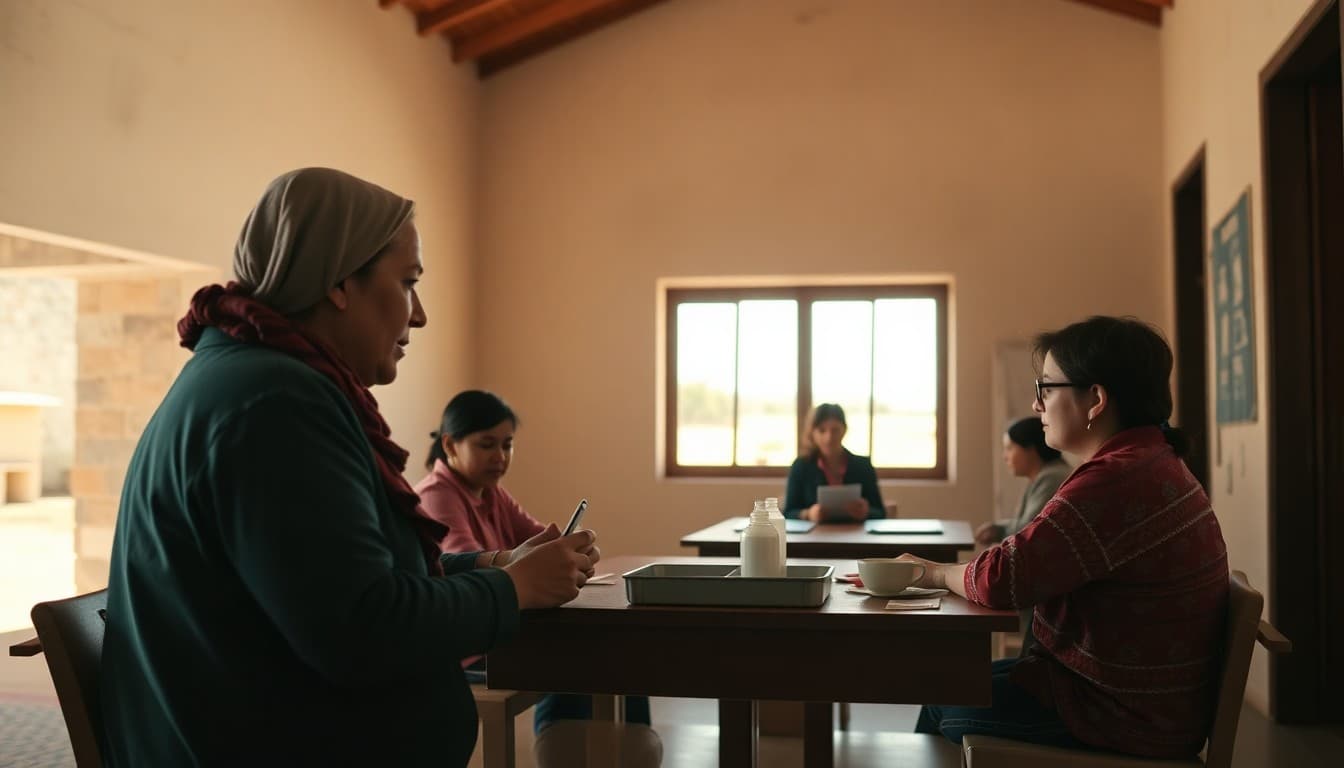
Arizona Rural School Newsletter Guide for Title I and Tribal Schools
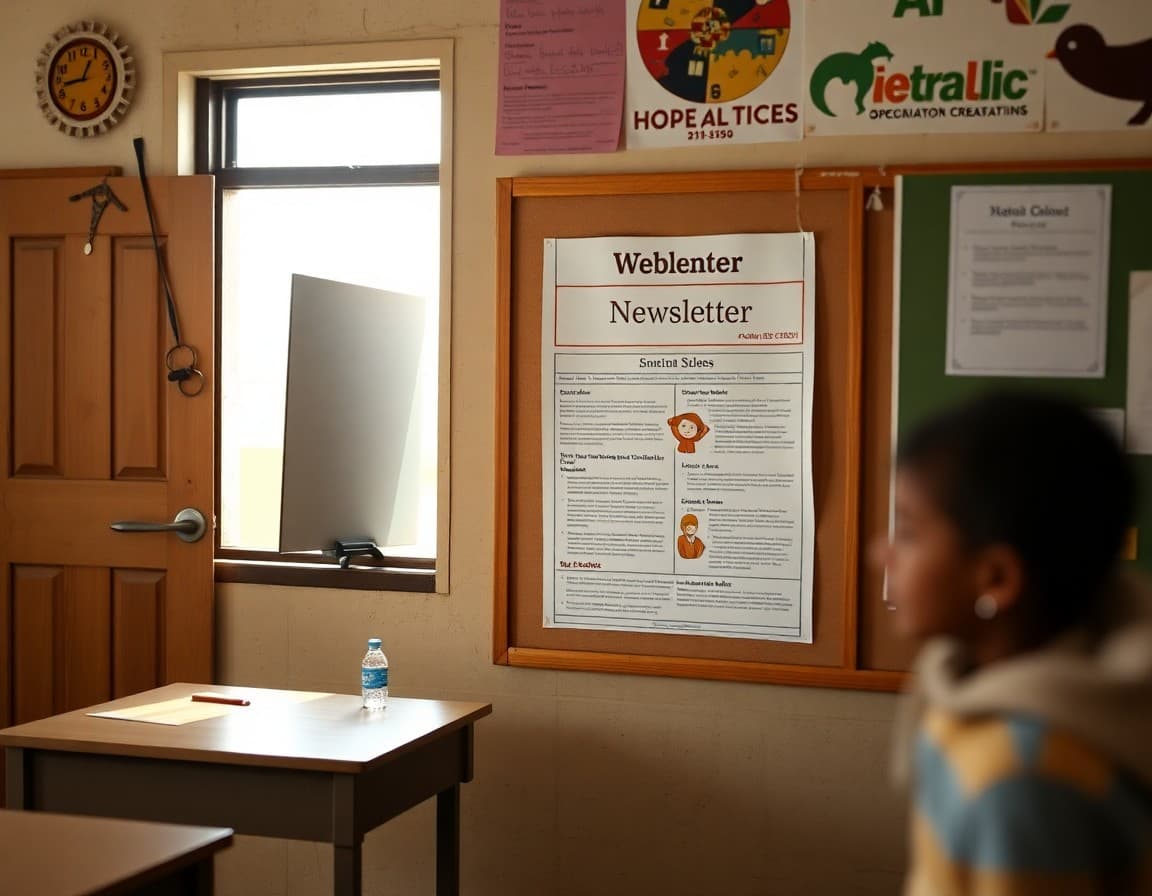
A teacher at a school outside of Chinle on the Navajo Nation checks the open rates on her newsletter every Monday. Three families have not opened one in a month. She pulls three printed copies and sends them home with the students. That is the whole system, and it works because she built it knowing that digital delivery alone was never going to reach everyone.
Arizona's Rural Communication Landscape
Arizona has one of the most varied rural communication landscapes in the country. The Navajo Nation, which spans northeastern Arizona, has large areas with no cell service and limited home internet. Border counties like Santa Cruz and Cochise have dense Spanish-speaking populations. Rural ranching communities in Mohave and Graham counties have families spread across hundreds of square miles. No single newsletter format works for all of them.
Navajo Nation Schools: Connectivity and Cultural Context
Schools serving Navajo students deal with real connectivity constraints. Satellite internet is common, but expensive and weather-sensitive. Many families rely on mobile hotspots with data caps. Newsletters need to be under 50KB to load reliably. Plain text with minimal images is not a compromise. It is the format that works. At the same time, Navajo communities have strong cultural communication practices through chapter meetings and word of mouth. The newsletter supplements, not replaces, those channels.
Border and Agricultural Community Communication
Schools near the Mexican border serve families where Spanish may be the primary home language. A bilingual newsletter, or at minimum a Spanish summary paragraph, covers a significant portion of the parent population. In agricultural communities around Yuma, seasonal workers move in and out during harvest. A short paragraph acknowledging the season and providing contact information for re-enrollment or meal assistance handles the communication need without requiring a full re-build of the newsletter each time.
What Goes in Every Arizona Rural School Newsletter
Limit each issue to five core items: the week's dates, any schedule changes, a meal program reminder, one Title I resource notice, and a student or classroom highlight. Families who are working long hours on ranches, in warehouses, or in agricultural fields read short newsletters. Longer formats lose them after the first paragraph.
Title I Requirements and the Newsletter
Title I schools in Arizona must share their parent involvement policy, school-parent compact, and annual report with families. The newsletter is the most consistent delivery channel for these documents. A quarterly insert or link to a printable version fulfills the requirement and builds the record of family notification that Title I coordinators need. Daystage lets you save these sections as blocks and drop them in without reformatting every quarter.
Addressing Food Insecurity in Newsletter Language
Arizona has a high rate of student food insecurity, particularly in rural counties. Newsletters that remind families about free breakfast availability, summer food sites, and school pantry distributions do real work. Write these reminders directly: "Free breakfast is available every morning at 7:30. No form is needed." Plain, specific language removes barriers for families who are not sure if the resource applies to them.
Using Community Hubs as Distribution Points
On the Navajo Nation, chapter houses serve as community centers. Posting the newsletter at the chapter house, the local trading post, or the tribal health clinic reaches families who do not check email. For border communities, the parish, the food bank, and the local laundromat are reliable posting spots. Building a distribution route that takes 15 extra minutes doubles your reach in communities where digital access is patchy.
Tracking Who Is and Is Not Reading
Open-rate data turns a broadcast into a managed system. When a family has not opened a newsletter in three weeks, that is the cue to print and send home a copy, or to ask the student directly if there are any messages from the school at home. Catching communication gaps early prevents the bigger problems that come from families feeling disconnected from the school.
Arizona rural schools that build communication systems matching their community's actual conditions see better Title I parent involvement numbers, stronger attendance, and fewer missed deadlines. The newsletter is where that work starts.
Get one newsletter idea every week.
Free. For teachers. No spam.
Frequently asked questions
What are the biggest communication barriers for Arizona rural schools?
The Navajo Nation covers 27,000 square miles with inconsistent cell coverage and limited home broadband. Border communities in Yuma and Santa Cruz counties have high rates of Spanish-speaking families. Both contexts require newsletters that are lightweight, plain-language, and available in more than one language.
How should Arizona tribal schools approach newsletter language?
Navajo is spoken at home in many chapter communities. Including a Navajo greeting or a short translated sentence in the newsletter acknowledges the community's identity. For critical information like Title I rights or enrollment deadlines, partnering with a Navajo-speaking staff member for translation is worth the investment.
How often should Arizona rural schools send newsletters?
Weekly works for schools with consistent internet. For schools on the Navajo Nation where connectivity varies, bi-weekly with a consistent printed backup covers families better than a digital-only weekly.
What content do Arizona rural families most need in school newsletters?
Meal program information, bus routes and schedule changes, Title I program updates, and upcoming state testing dates are the highest-priority items. In agricultural communities near Yuma and Nogales, planting and harvest schedule conflicts are worth acknowledging explicitly.
What newsletter tool fits Arizona rural and tribal school needs?
Daystage sends lightweight emails that load quickly on limited connections and provides open-rate data so teachers can identify families who need a printed copy or phone follow-up.

Adi Ackerman
Author
Adi Ackerman is a former classroom teacher and curriculum writer with 8 years in K-8 schools. She writes about school communication, parent engagement, and what actually works in real classrooms.
More for Rural & Title I
Rural School Newsletter Guide: Communication Strategies for Small and Remote Schools
Rural & Title I · 7 min read
Rural School Bilingual Family Newsletter: How Schools Communicate Across Language Barriers
Rural & Title I · 5 min read
Title I Parent Engagement Newsletter: Meeting Federal Requirements While Building Real Connections
Rural & Title I · 8 min read
Ready to send your first newsletter?
3 newsletters free. No credit card. First one ready in under 5 minutes.
Get started free