
Arkansas Rural School Newsletter Guide for Delta and Ozark Communities
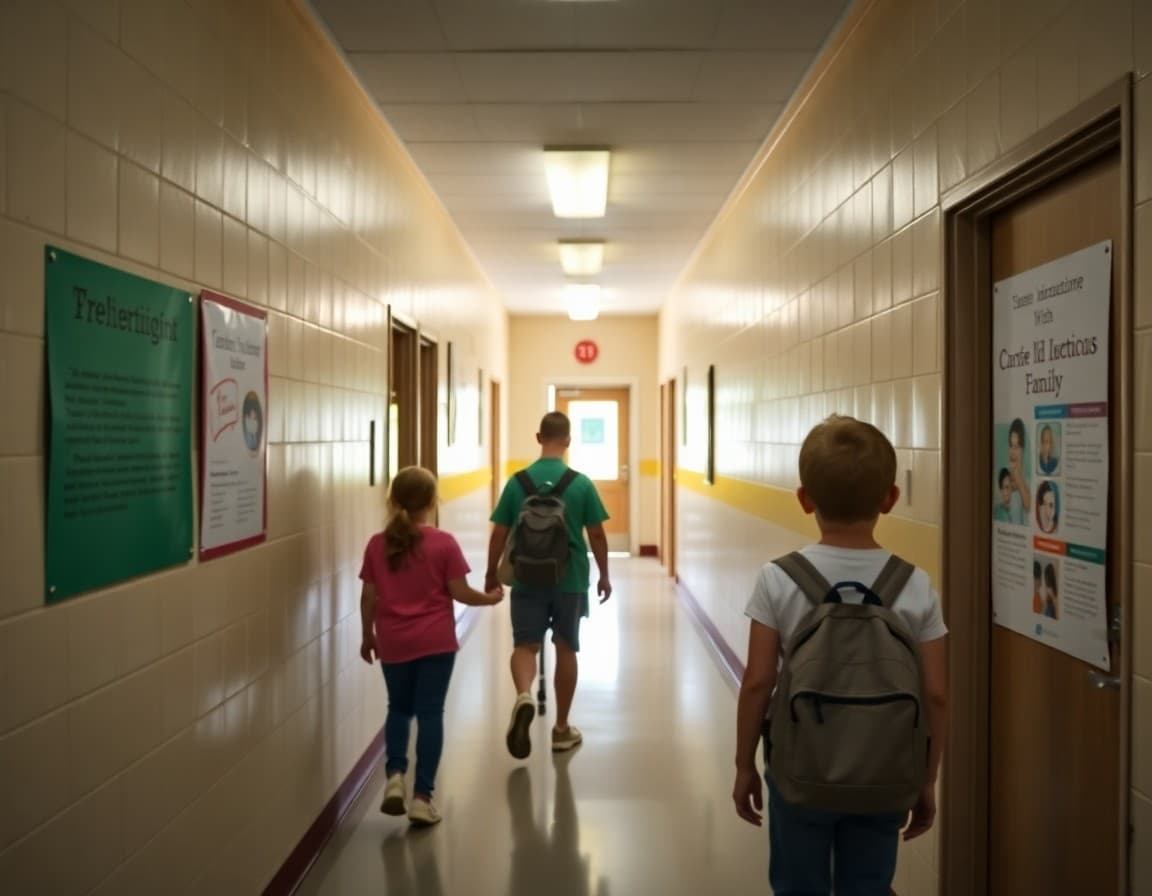
A principal at a Delta school in Lee County knows exactly which families do not have internet at home. She keeps a list. Every Friday, a stack of printed newsletters goes home with those students. It adds 20 minutes to her week. But it is the reason her Title I parent involvement numbers are among the best in the region. Communication is not just about sending. It is about who actually receives.
Arkansas Rural Schools and the Communication Gap
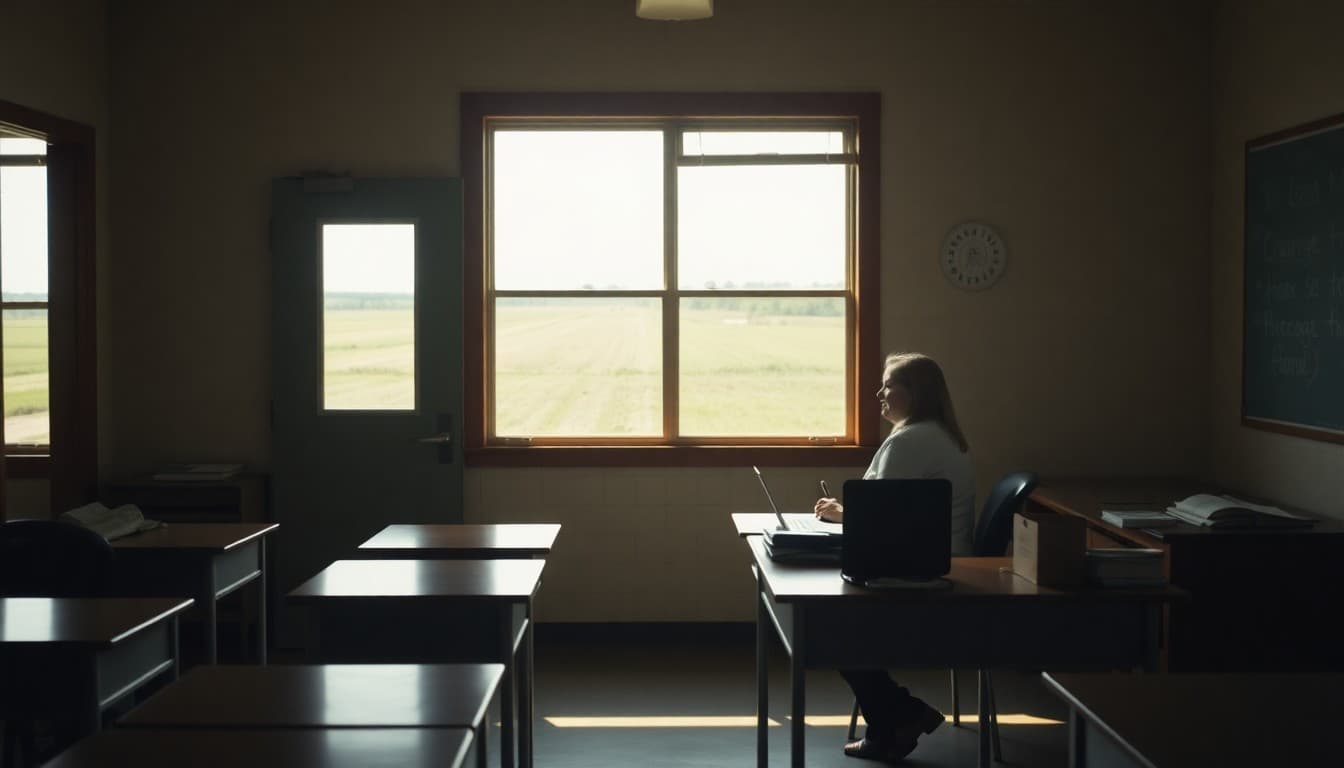
Arkansas has significant rural population across the Delta in the east and the Ozark and Ouachita mountains in the north and west. Both regions face the same core problem: families are geographically dispersed, economically stretched, and frequently without reliable home internet. The newsletter systems built for suburban schools do not transfer here without adjustment.
The Delta Context: Poverty, Agriculture, and Limited Broadband
Arkansas Delta counties including Phillips, Lee, and Desha rank among the poorest in the country. Broadband providers have historically underinvested in this region. Most families rely on mobile data, and unlimited plans are not universal. Newsletters with large images, PDF attachments, or embedded video simply do not reach families in these conditions. Plain-text email delivered to the inbox is the format that works.
The Ozark and Ouachita Context: Isolation and Irregular Schedules
Mountain communities in Newton, Searcy, and Polk counties deal with geographic isolation and limited cell coverage in valleys. Families here often work multiple jobs or in timber, agriculture, or manufacturing. Newsletter timing matters: sending at 6 AM or after 6 PM, when families are between shifts, gets better open rates than midday sends. Testing two or three send times over a month tells you what works for your specific community.
What Every Arkansas Rural Newsletter Should Include
Five items, every week: dates, meal program reminders, any schedule changes, one Title I resource notice, and a student recognition. Keep the total reading time under three minutes. Families who are working poultry shifts or driving long distances for work do not have more than that. A newsletter that respects the reader's time gets read.
Addressing Food Insecurity Directly
Arkansas has among the highest rates of student food insecurity in the South. Newsletters that communicate free breakfast availability, summer meal sites, and school pantry distributions reach families who need this information but may not ask for it directly. Write it plainly: "Breakfast is free for all students and starts at 7:15." No euphemisms. No asterisks.
Title I Compliance Through the Newsletter
Arkansas Title I schools must distribute their parent involvement policy, school-parent compact, and annual Title I report to families. The newsletter is the right vehicle. A quarterly insert with a pickup location for printed materials covers the distribution requirement. Daystage makes it easy to add a consistent legal-notice block to each quarter's issue without rebuilding the layout.
Spanish Language Communication in Northwest Arkansas
Benton and Washington counties in northwest Arkansas have grown rapidly in Spanish-speaking population, driven by Tyson Foods and other poultry processing employers. Schools serving these families need at minimum a Spanish summary paragraph and a Spanish-language contact number in every newsletter. For Title I notifications, a fully translated version reduces the legal and relationship risk of families missing critical information.
Using Print Distribution Points in the Community
Libraries, Dollar General stores, churches, and local laundromats are reliable places to post printed newsletters in rural Arkansas communities. A laminated copy at the school entrance and a fresh copy in the weekly student folder covers most families. For agricultural communities during harvest season, shortening the newsletter to a single page and focusing on critical dates only keeps communication flowing when families have less time to read.
Arkansas rural schools that communicate with intention, matching format to the real conditions of their communities, build the kind of family trust that shows up in attendance, Title I meeting participation, and student outcomes. The newsletter is the most consistent tool for that work.
Get one newsletter idea every week.
Free. For teachers. No spam.
Frequently asked questions
What communication challenges are specific to Arkansas rural schools?
The Arkansas Delta has some of the highest poverty rates in the country alongside very limited broadband access. Ozark and Ouachita Mountain communities have geographic isolation and limited cell coverage. Many families in both regions work in agriculture, poultry processing, or manufacturing, which means newsletters need to arrive at times families can actually read them.
How often should Arkansas rural schools send newsletters?
Weekly newsletters work well for maintaining consistent family contact. Schools in areas with inconsistent internet access should always pair the digital version with a printed copy for families they know are offline. The consistency matters more than the frequency.
How should Arkansas schools handle Hispanic families in their communities?
Poultry processing counties like Carroll and Washington in northwest Arkansas have large Spanish-speaking populations. A Spanish-language summary at the bottom of each newsletter, or a bilingual version for key communications, covers the most critical need. A direct phone contact for Spanish-speaking families is also important.
What newsletter content is most useful for Arkansas rural families?
Free and reduced meal reminders, bus schedule changes, Title I tutoring availability, and state testing dates matter most. In agricultural communities, planting and harvest season conflicts with school events are worth addressing directly so families do not feel judged for attendance patterns tied to work.
What newsletter tool works for rural Arkansas schools?
Daystage is built for school newsletters and delivers lightweight emails that load on limited connections. The analytics show which families are not opening newsletters, helping teachers decide when to send a printed copy home with the student.

Adi Ackerman
Author
Adi Ackerman is a former classroom teacher and curriculum writer with 8 years in K-8 schools. She writes about school communication, parent engagement, and what actually works in real classrooms.
More for Rural & Title I
Rural School Newsletter Guide: Communication Strategies for Small and Remote Schools
Rural & Title I · 7 min read
Title I Parent Engagement Newsletter: Meeting Federal Requirements While Building Real Connections
Rural & Title I · 8 min read
How Rural Schools Can Address Food Insecurity Through the School Newsletter
Rural & Title I · 5 min read
Ready to send your first newsletter?
3 newsletters free. No credit card. First one ready in under 5 minutes.
Get started free