
Sixth Grade Reading Newsletter: A Template Worth Stealing
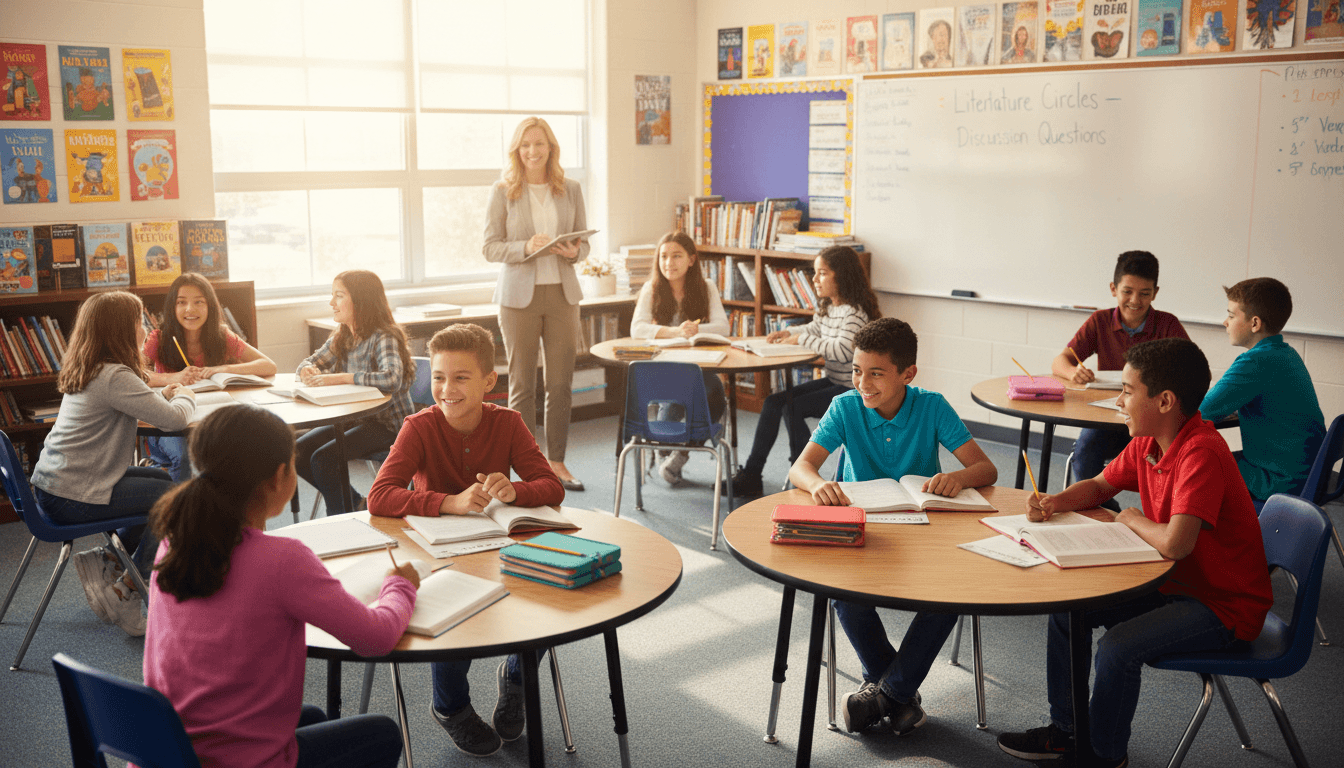
Sixth grade reading is the first year of middle school for most students and the first year reading often happens in literature circles or book clubs rather than the whole class working on one novel. Volume goes up. Independence goes up. The interest spike toward dystopian and fantasy is real. A sixth grade reading newsletter has to keep parents oriented as their child suddenly has four books going at once and brings home roles parents have never heard of.
Open with the book clubs, not the standard
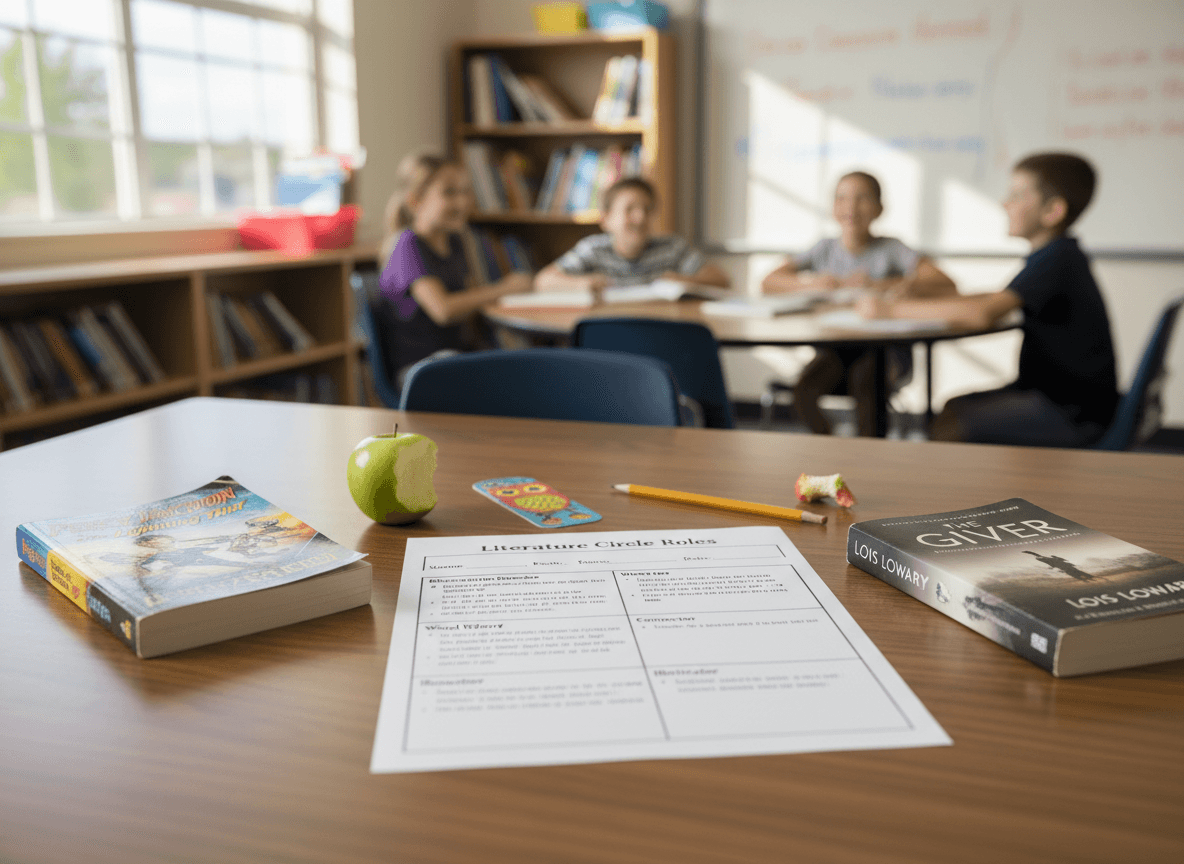
"This cycle our four literature circles are reading The Giver, Percy Jackson and the Lightning Thief, Wonder, and Refugee. Students chose their group based on the first chapter." That one sentence gives parents the four titles and the fact that students had a say. Both matter.
Explain the roles in one paragraph
Each cycle, list the roles for that round. "This cycle the roles are questioner, summarizer, vocabulary spotter, and connector. Your child rotates through one per week. If they say they were the connector, that means they linked the chapter to something in their own life or another book." That paragraph stops the dinner confusion.
Name the dystopian and fantasy pull, once
In the first newsletter of the year. "Sixth graders often pull toward dystopian and fantasy at this age. Hunger Games, Percy Jackson, Divergent, The Maze Runner. That is developmentally normal. These books give characters their age real stakes and big choices, which is exactly what sixth grade brains want to chew on." Done. Parents stop emailing about it.
One home ask
"At home this week, ask your child what role they had in book club and what they brought to their group." That one question respects the independence sixth graders want and still gives parents a window in.
A working two-week template
"Hello families. This cycle the four literature circles are reading The Giver, Percy Jackson and the Lightning Thief, Wonder, and Refugee. Roles this cycle: questioner, summarizer, vocabulary spotter, connector. Reading focus: building strong discussion by coming prepared with a role. At home this week, ask your child what role they had and what they brought to their group. Heads up: end-of-cycle book club celebration next Friday. Light snacks welcome, no pressure."
Keep the rhythm
Five sections. Books. Roles. Focus. Home question. Heads-up. Same order every cycle. Parents learn the structure and start opening on autopilot.
How Daystage helps with sixth grade reading newsletters
Daystage holds the template and sends one clean, mobile-friendly email to every family on your list. No portal, no PDF, no app. Sunday night take ten minutes, the parents who opened in September are still opening in May.
Get one newsletter idea every week.
Free. For teachers. No spam.
Frequently asked questions
What changes in sixth grade reading parents need to know about?
Three things. Reading volume goes up. Students often pick their own books inside book clubs or literature circles. And the interest spike toward dystopian and fantasy hits hard around now (Hunger Games, Percy Jackson, Divergent). Naming all three in the first newsletter of the year sets the right expectations.
How do literature circles work and how do I explain them?
Each student in a group has a role each week (questioner, summarizer, vocabulary spotter, connector). They read a chunk, do their role, meet in the group, and discuss. In the newsletter, name the roles in one sentence so parents recognize the language. 'Your child may say they were the questioner this week. That means they came to the group with three discussion questions about the chapter.'
Should I worry about parents pushing back on dystopian or fantasy choices?
Address it once, calmly, in the first newsletter of the year. 'Sixth graders often gravitate toward dystopian and fantasy at this age, Hunger Games, Percy Jackson, Divergent. That is developmentally normal. The books offer high-stakes choices for protagonists their age, which is exactly what a sixth grader wants to think about.' That paragraph absorbs ninety percent of the questions before they arrive.
How do I handle the middle school transition in a sixth grade newsletter?
Mention it twice a year, once in September and once in May. Otherwise focus on what the class is doing. Parents do not need a transition message every cycle. They need a steady, calm signal that their child's reading life is in good hands.
Which tool works best for a sixth grade reading newsletter?
One that sends a clean formatted email to the family inbox. Daystage was built for it. Save the structure once. Each cycle, swap the books, the roles, and the heads-up. Send to the whole roster in one click.

Adi Ackerman
Author
Adi Ackerman is a former classroom teacher and curriculum writer with 8 years in K-8 schools. She writes about school communication, parent engagement, and what actually works in real classrooms.
More for Reading Newsletter
Ready to send your first newsletter?
3 newsletters free. No credit card. First one ready in under 5 minutes.
Get started free