
Seventh Grade Reading Newsletter: Sections That Work Each Week
Seventh grade reading is the year close reading becomes the main event. Students are not just tracking plot, they are slowing down on a paragraph and asking why the author chose that exact word. The classics start showing up. The Outsiders becomes the anchor in most districts. A seventh grade reading newsletter has to keep parents oriented through a more analytical kind of reading work without sounding like a graduate seminar.
Lead with the text and the lens
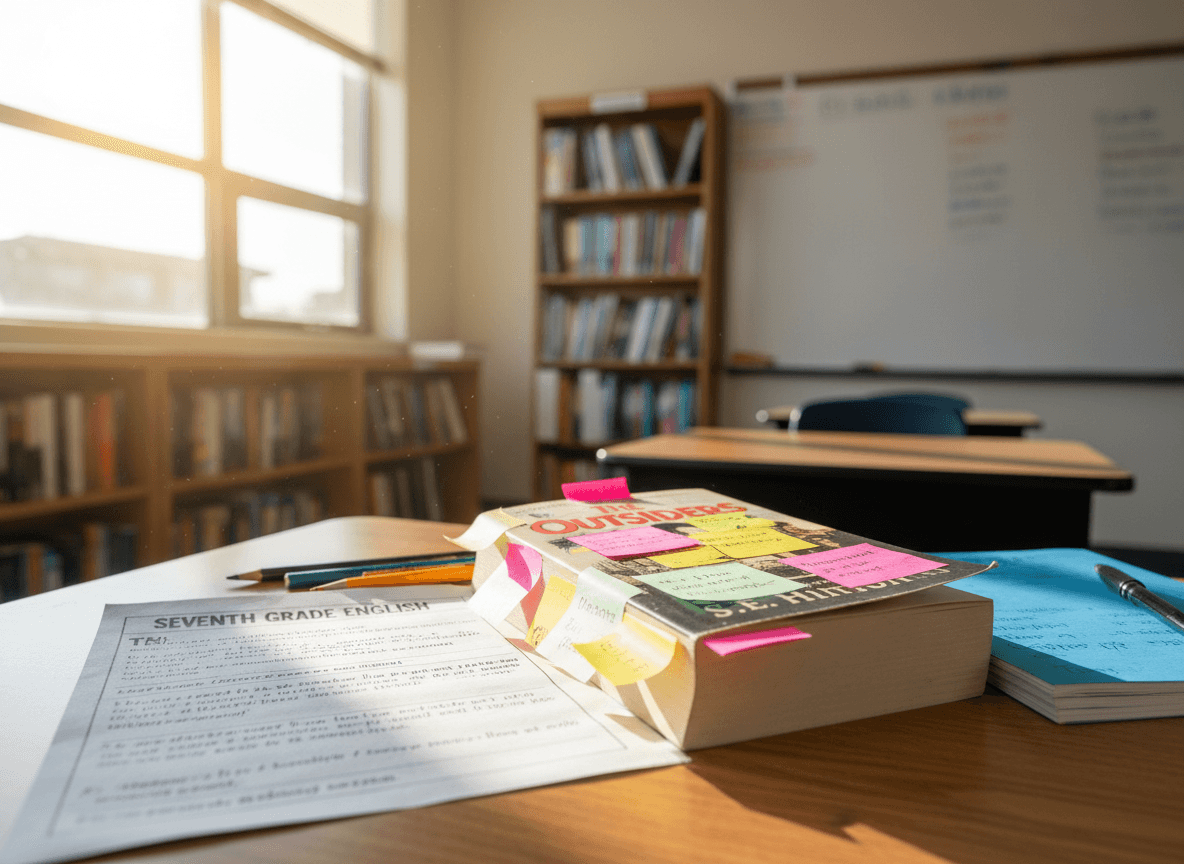
"This cycle our anchor text is The Outsiders by S.E. Hinton. Our reading lens is close reading, which means reading a passage more than once, on purpose, with a different focus each pass." Parents now have both the title and a working sense of how the class is reading it.
Translate close reading in one paragraph
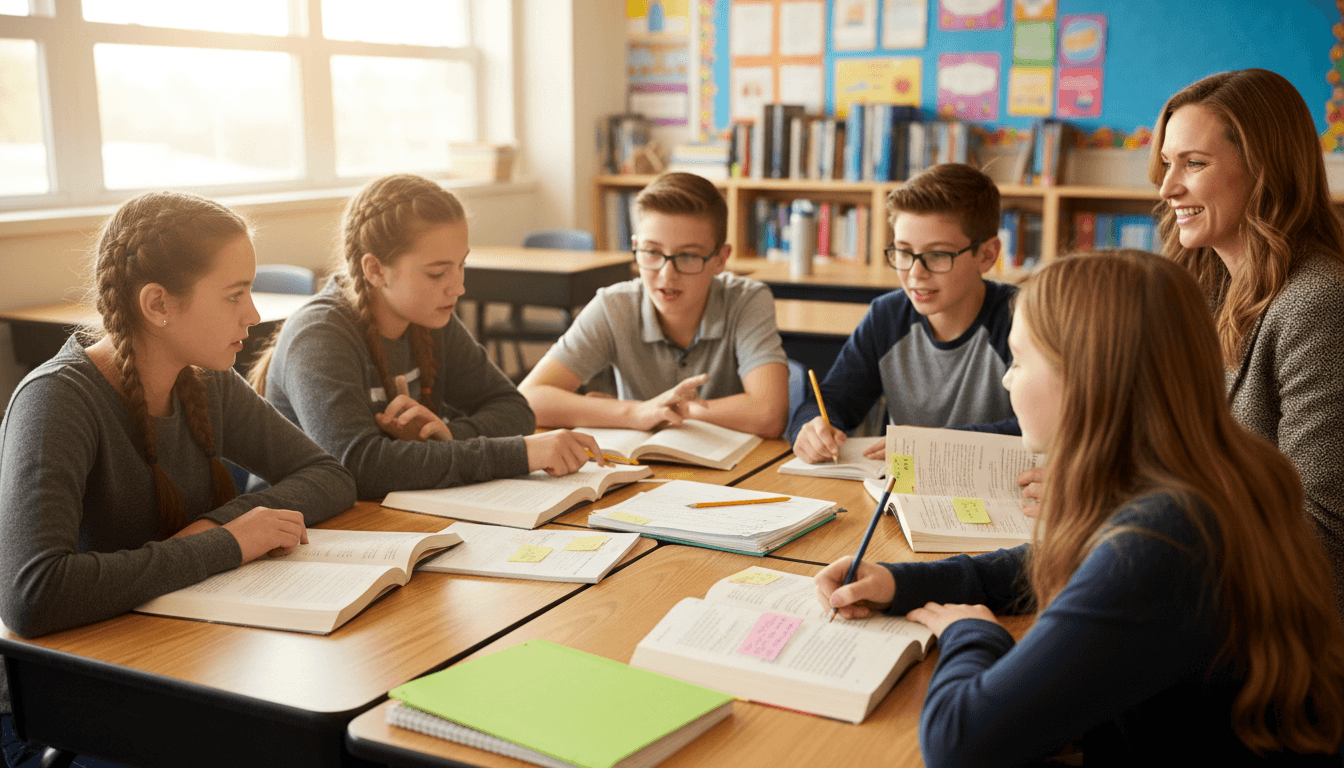
"Close reading is reading a short passage two or three times. First pass: what happened. Second pass: word choice and tone. Third pass: what the author wanted us to feel. Your child is being asked to annotate, which means writing in the margin and underlining as they read. The annotations are part of the work and are graded for thinking, not neatness." That paragraph clears most of the questions.
One home ask
"At home this week, when your child finishes a chapter of The Outsiders, ask: what word or sentence stuck with you, and why? One question, one chapter. That is plenty." One ask, mapped to the skill.
A working two-week template
"Hello families. Our anchor text this cycle is The Outsiders. Reading lens: close reading, which is reading a passage more than once on purpose, with a different focus each pass. First for what happened. Second for word choice. Third for what the author wanted us to feel. Your child is annotating, which means writing in the margin of their book. That is part of the work. At home this week, after a chapter, ask: what word or sentence stuck with you, and why? One question is plenty. Heads up: end-of-novel essay drafts due in three weeks. We will be writing them in class, not at home."
Show the annotation
Once a quarter, include a short screenshot of an annotated page (name removed). Parents see the actual work and the newsletter moves from describing the class to showing it.
Same structure every cycle
Five sections. Text. Lens. Skill explanation when needed. Home question. Heads-up. Same order. Random structure trains parents to skip.
How Daystage helps with seventh grade reading newsletters
Daystage holds the template and sends a clean, mobile-friendly email to every parent. No portal login, no PDF attachment, no app. Sunday night takes ten minutes. The parents who opened in September are still opening in May because the rhythm never broke.
Get one newsletter idea every week.
Free. For teachers. No spam.
Frequently asked questions
What is close reading and how do I explain it to parents?
Close reading is reading a short passage two or three times, on purpose, looking for specific things each pass. First read for what happened. Second read for word choice and tone. Third read for what the author wanted you to feel. In the newsletter, give that one paragraph and move on. Parents do not need a methods course.
Which classics start showing up in seventh grade?
The Outsiders is the most common anchor. Other frequent picks include To Kill a Mockingbird (sometimes excerpted), Of Mice and Men (eighth more often), The Giver still in some districts, Roll of Thunder Hear My Cry, Animal Farm, Lord of the Flies excerpts. Name what you are actually using.
How do I handle parents asking why their child is annotating in a book?
Address it directly in the first newsletter that includes annotation. 'Your child is writing in their book on purpose. Underlines, stars, short notes in the margin. That is the work of close reading. The annotations are required and graded for thinking, not neatness.' That paragraph prevents three weeks of emails.
Should the seventh grade newsletter mention high school yet?
Not in cycle-to-cycle content. Maybe one sentence in the May newsletter. Seventh grade parents have enough on their plate. Focus on what the class is doing now.
What tool keeps a seventh grade reading newsletter consistent across the year?
A tool that lands a clean formatted email in the parent inbox. Daystage was built for that. Save the template once, swap the novel, focus, and home question each cycle, send to your full class list in one click. No portal, no app, no PDF.

Adi Ackerman
Author
Adi Ackerman is a former classroom teacher and curriculum writer with 8 years in K-8 schools. She writes about school communication, parent engagement, and what actually works in real classrooms.
More for Reading Newsletter
Ready to send your first newsletter?
3 newsletters free. No credit card. First one ready in under 5 minutes.
Get started free