
Fourth Grade Reading Newsletter: A Template With Real Sections
Fourth grade reading sits between two worlds. The books are getting novel-length. The passages on homework and tests are getting longer. Theme starts to matter, not just plot. And for most districts, fourth grade is the first year a state reading assessment is in the room. A fourth grade reading newsletter has to give parents a clear view of all of that without turning into a wall of test prep.
Lead with the book, then the lens
Open with the title and the lens you are reading it through. "This cycle our read-aloud is Wonder. We are reading it through the lens of theme, asking what big idea the author wants us to walk away with." Parents now know both what their child is reading and what the conversation in class looks like.
Translate theme in one sentence
Most fourth grade parents have not thought about theme in twenty years. Give them the working definition once. "Theme is the big idea the author wants us to take away, not the plot. The theme of Wonder is something like kindness has weight. The plot is a boy starting fifth grade." That sentence makes the next time their child mentions theme at dinner make sense.
Flag the longer passages
Tell parents what the homework folder will look like. "Starting this cycle, you may see two-page reading passages with five to seven questions instead of short paragraphs. That is by design. Fourth graders are building stamina for longer texts. If your child gets stuck, ask them to reread the question, then the relevant paragraph, not the whole passage." Now the homework looks less scary.
One home ask
"At home this week, after your child reads a chapter, ask: what big idea is the author trying to get across? One question, one chapter. That is plenty." One ask, not five. Parents will do one.
A working two-week template
"Hello families. Our read-aloud this cycle is Wonder by R.J. Palacio. Small groups are reading Fish in a Tree. Reading focus: identifying theme, which is the big idea the author wants us to walk away with, not the plot. At home this week, after a chapter, ask your child: what big idea is the author trying to get across? One question is plenty. Heads up: state reading test window opens April 15. I will send a one-page parent guide two weeks before. No daily test prep until then. We are building strong reading, which is the best test prep there is."
How to keep the heads-up section calm
State testing is the section that most often goes off the rails. Use it for facts and dates, not coaching. One sentence, once per cycle, plus a link to the parent guide when the window gets close. Avoid the trap of writing test tips every week. Parents read it as panic.
How Daystage helps with fourth grade reading newsletters
Daystage holds your five-section template, sends one clean email to every family, and formats it for a phone screen. No portal, no PDF, no app login. You write into the same shell each cycle, the structure stays consistent, parents learn the rhythm and open the email on autopilot.
Get one newsletter idea every week.
Free. For teachers. No spam.
Frequently asked questions
How do I explain theme to fourth grade parents?
Skip the definition and give an example. 'Theme is the big idea the author wants you to take away from the whole book, not just what happens. The theme of Charlotte's Web is friendship and loyalty, not pigs and spiders.' Parents understand it in five seconds. A definition first loses them.
Should the newsletter mention the state reading test in fourth grade?
Yes, but with calm, not alarm. Fourth grade is when most state reading assessments enter the picture. Name the test window once a cycle in the heads-up section, link a one-page parent guide, and avoid daily mentions. Constant test talk trains parents to dread the newsletter.
Which books should a fourth grade reading newsletter name?
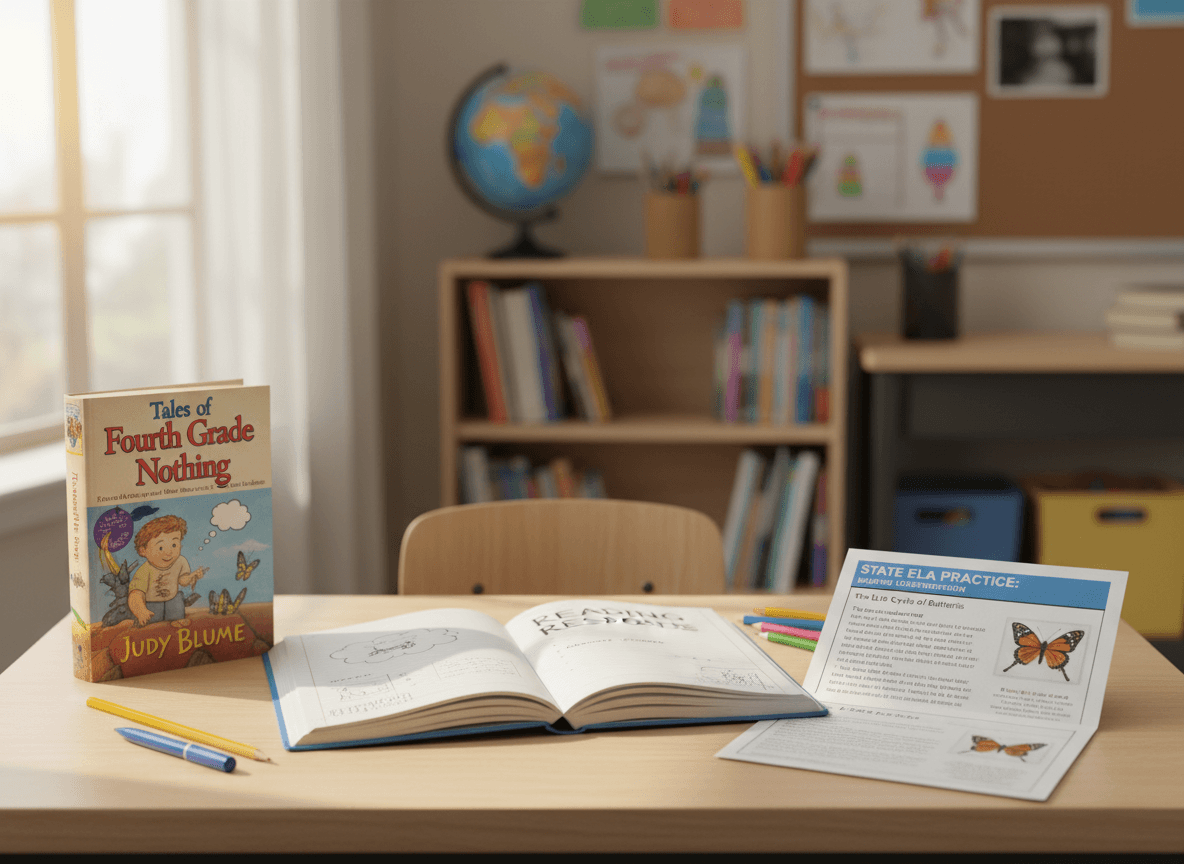
Whatever you are actually reading. Common fourth grade titles include Tales of a Fourth Grade Nothing, Sarah Plain and Tall, Wonder, Fish in a Tree, Number the Stars, The One and Only Ivan. Name the read-aloud and the small-group titles by name every cycle.
How do I write about longer passages without scaring parents?
Tell them what to expect at home. 'Your child's homework page may now have a two-page reading passage with five questions, instead of a short paragraph. That is normal for fourth grade.' Once you flag the change, the heavier folder stops feeling like a problem.
What is the simplest tool for sending a fourth grade reading newsletter?
A tool that sends a clean, formatted email to every family without a portal. Daystage was built for that. Save your template once, write into the same shell every cycle, send to the whole class list in one click.

Adi Ackerman
Author
Adi Ackerman is a former classroom teacher and curriculum writer with 8 years in K-8 schools. She writes about school communication, parent engagement, and what actually works in real classrooms.
More for Reading Newsletter
Ready to send your first newsletter?
3 newsletters free. No credit card. First one ready in under 5 minutes.
Get started free