

Teacher Newsletter Volunteer Request: Getting Families to Actually Show Up
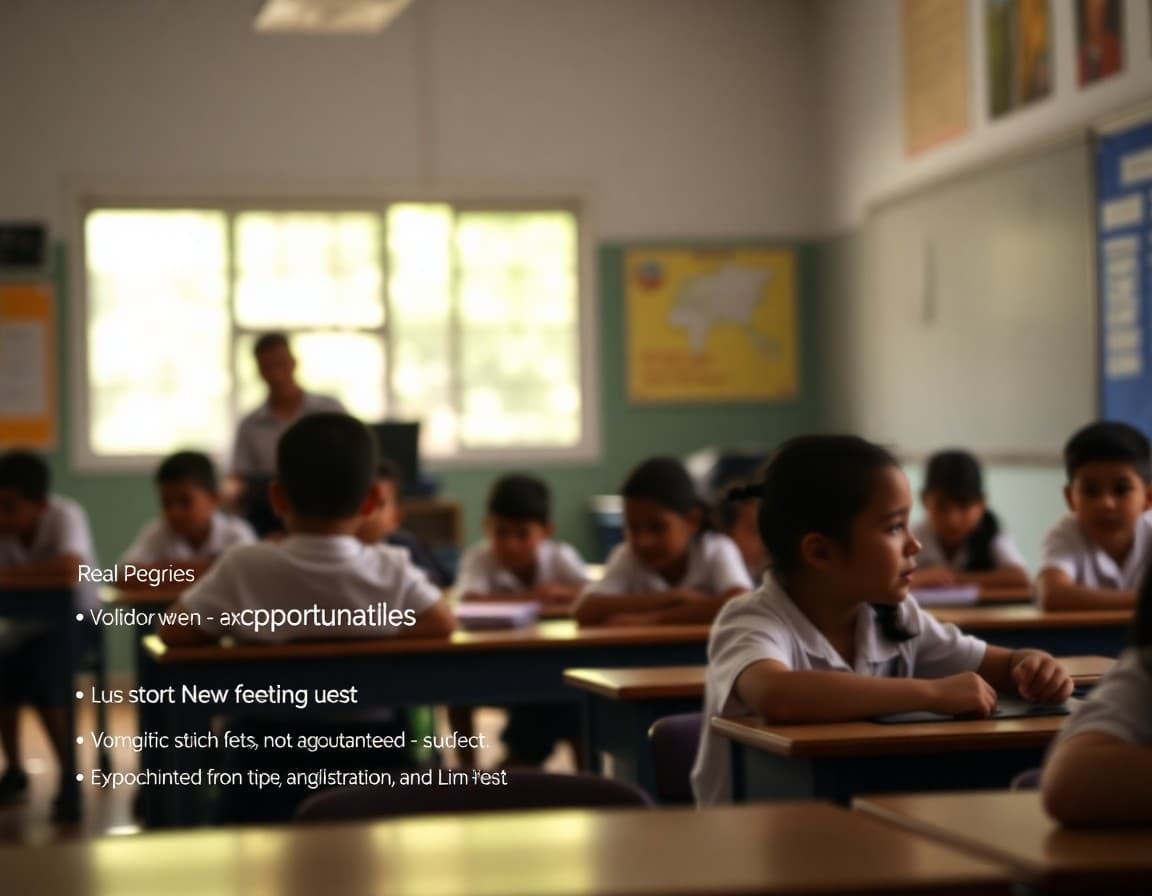
Every teacher has sent a newsletter with a section that says "volunteers are always welcome!" and received no response. The problem is not that families do not want to help. It is that vague invitations do not give people enough information to say yes. Specific, concrete volunteer requests, with clear time commitments and real tasks, generate real responses.
Be Specific About the Task and the Time
The most effective volunteer requests answer four questions: What exactly will the volunteer do? When exactly does this happen? How long will it take? What experience or skills does it require? "I need one reading partner volunteer on Thursdays from 8:45 to 9:30am for the next four weeks. You will sit with one or two students and listen to them read aloud, then ask a few follow-up questions I will give you in advance. No teaching experience required" is a request families can actually respond to.
Offer Multiple Types of Opportunities
Not all families can come to school during the day. Offering at-home volunteering options dramatically expands the pool of people who can help. Cutting laminated materials, assembling packets, making phone calls to other families, recording read-aloud audio, translating parent communications, or creating classroom materials at home are all genuine volunteer tasks that working families can do on their own schedule.
Match the Ask to the Audience
Different families have different strengths. A family with a medical background might be perfect for a health career day presentation. A family that immigrated from another country might be willing to share their experience during a social studies unit. A bilingual family can help translate key documents. The newsletter is a good place to mention specific needs that match specific knowledge, as long as the invitation is genuinely optional and does not single out any family's background in an unwelcome way.
Make Signing Up Frictionless
Include the sign-up link or response method directly in the newsletter. A QR code, a Google Form link, or a simple "reply to this email" instruction removes the friction between wanting to help and actually committing. The more steps between a family's intention and their confirmation, the more responses you will lose. Daystage supports event RSVP directly within the newsletter so families can confirm in one click.
Send a Reminder Before the Event
Even enthusiastic volunteers forget. A brief reminder the morning before a volunteer date, or the evening before a daytime commitment, significantly increases follow-through. Note the date, time, where to check in, and what to bring or do when they arrive. This is two minutes of effort that prevents the frustration of a no-show volunteer slot.
Thank Volunteers Publicly and Specifically
In the next newsletter after a volunteer event, thank the volunteers by name. "A huge thank-you to Maria and Tom, who spent three mornings this month working with small reading groups. Students loved the extra support and have been asking when the reading helpers are coming back." This kind of specific, public recognition does two things: it makes the recognized volunteers feel genuinely appreciated, and it signals to other families that volunteering is valued and noticed.
Keep the Volunteer Relationship Alive
Families who volunteer once and feel welcomed and useful tend to volunteer again. Families who volunteer once and felt unclear about their role, underappreciated, or like their time was wasted do not. A brief debrief note after each volunteer engagement, thanking them and mentioning the impact they had, builds the kind of volunteer relationship that compounds over the school year. The newsletter is one part of that relationship; the personal follow-up is the other.
Get one newsletter idea every week.
Free. For teachers. No spam.
Frequently asked questions
What makes a newsletter volunteer request actually generate responses?
Specificity. Families respond to specific asks: 'I need one reader volunteer every Tuesday from 9-10am for the next six weeks' generates far more response than 'volunteers always welcome.' Describe exactly what the volunteer will do, when, how long, and what will make the time well spent.
How do you make volunteering accessible for families who work full time?
Offer at-home options: cutting materials, compiling packets, creating flashcards, recording read-alouds, translating documents. Also offer flexible in-person options: some families can come for a 30-minute event at 7pm more easily than a 9am Tuesday slot.
How often should volunteer requests appear in newsletters?
Specific requests are most effective. Rather than a standing 'volunteers always welcome,' send targeted requests when you have a specific need. One request per major project or event is about right. More frequent requests risk becoming background noise.
What happens when volunteers sign up and then do not show?
A confirmation reminder the day before the volunteer date significantly reduces no-shows. A brief thank-you after the volunteer completes their time builds the relationship and makes future volunteering more likely. If no-shows are chronic, switching to a sign-up tool with automated reminders helps.
What tool works best for volunteer coordination through newsletters?
Daystage includes event RSVP capabilities that work well for volunteer coordination. Families can confirm their spot directly from the newsletter, and Daystage tracks responses so you know who is coming without managing a separate spreadsheet.

Adi Ackerman
Author
Adi Ackerman is a former classroom teacher and curriculum writer with 8 years in K-8 schools. She writes about school communication, parent engagement, and what actually works in real classrooms.
More for Professional Development
Teacher Newsletter Supply Request: How to Ask Families for Classroom Materials
Professional Development · 6 min read
Classroom Newsletter Ideas That Parents Actually Read and Save
Professional Development · 6 min read
Teacher Newsletter for Parent Engagement: What Actually Works
Professional Development · 6 min read
Ready to send your first newsletter?
3 newsletters free. No credit card. First one ready in under 5 minutes.
Get started free