
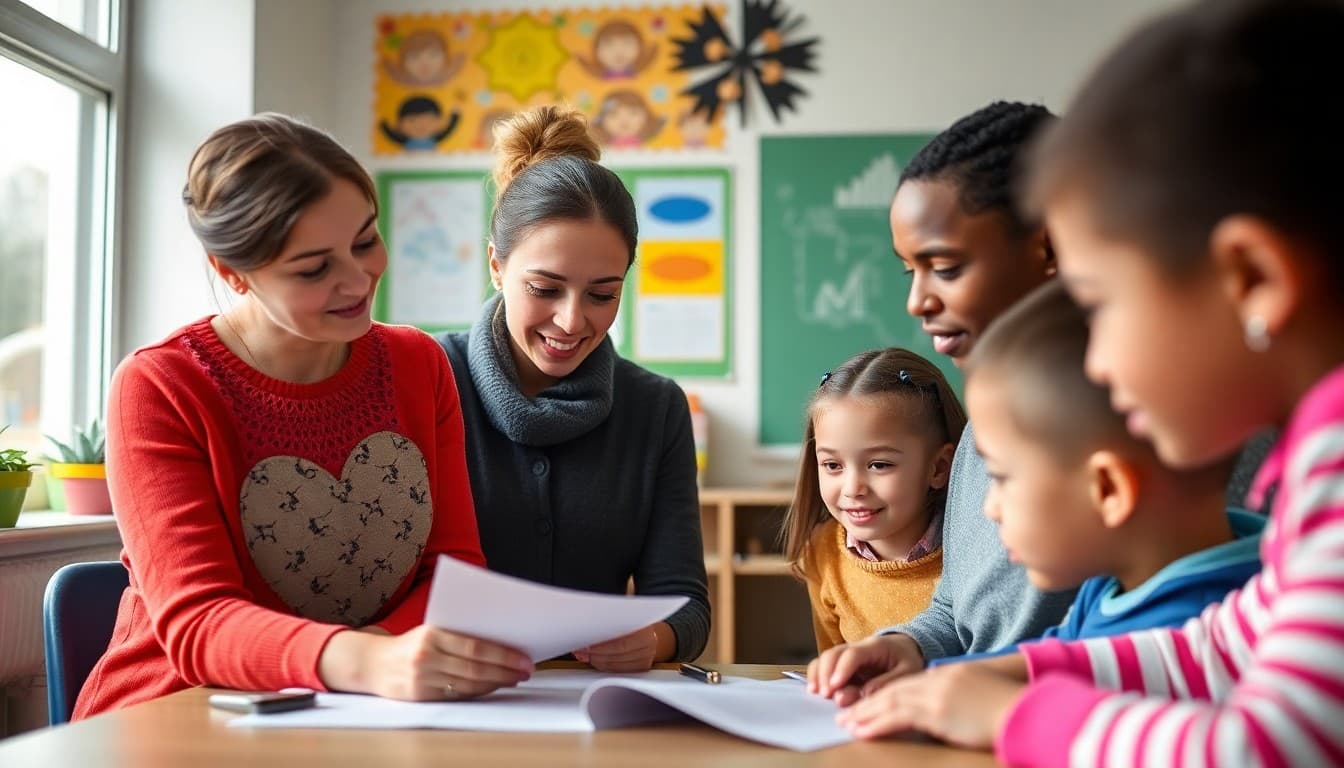
Teacher Newsletter Special Education Update: Inclusive Communication for All Families
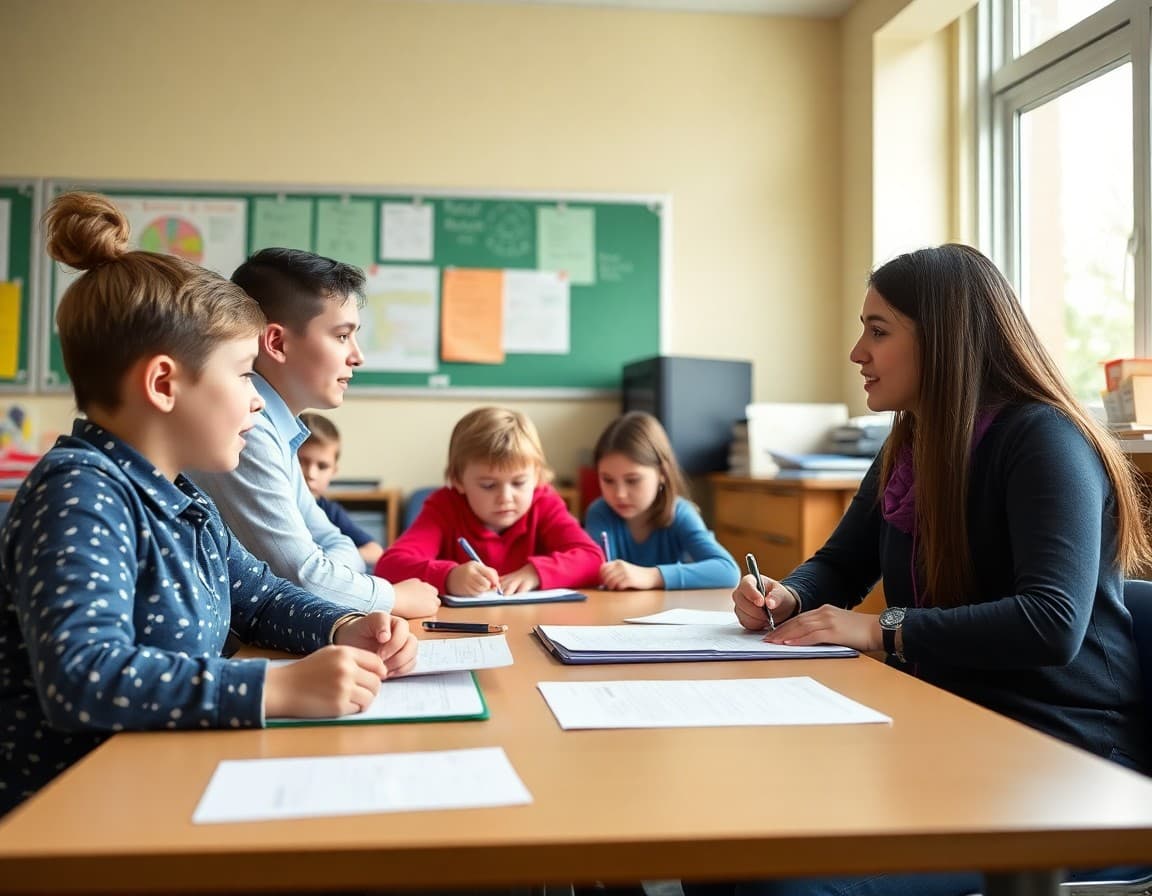
Inclusive classrooms bring together students with a wide range of learning needs, and families in these classrooms have varying levels of understanding about how inclusion works. A newsletter update that explains inclusive practices clearly helps all families understand what is happening in the classroom, builds community across diverse student populations, and answers the questions families are often too uncertain to ask directly.
Introducing the Co-Teaching or Push-In Model
If your classroom uses a co-teaching model or has a special education teacher who pushes in for part of the day, explain this clearly in the first newsletter of the year. Many families have never experienced co-teaching and may not know what to make of a second teacher in the room. Introduce both teachers by name, explain that both are full teachers responsible for all students in the class, and describe what the model looks like in practice. This simple introduction prevents weeks of family confusion and occasional unnecessary concern.
Universal Design for Learning in Plain Terms
If your classroom uses UDL principles, such as multiple ways for students to demonstrate learning, flexible seating or work arrangements, and varied materials for different learning preferences, describe these practices in the newsletter without using jargon. "Students can choose to write, draw, or present their ideas verbally when demonstrating what they have learned" is something every family can understand and appreciate. These descriptions also normalize the diversity of learning in your classroom.
What Students Are Learning Together
The most important message in an inclusive classroom newsletter is that every student is engaged in the same meaningful academic content. Describe the current curriculum the same way you would in any classroom newsletter, making clear that all students are working toward the same learning goals. The differentiation happens in how students access and demonstrate that learning, but the goals are shared. This message is important for families of students with and without IEPs alike.
Privacy Boundaries in Class-Wide Communication
A newsletter is a class-wide document, which means it should never reference individual students' IEPs, diagnoses, accommodations, or placement decisions. Families of students with IEPs receive specific communication about their child through the IEP process, case manager conversations, and direct teacher contact. The newsletter serves everyone in the class equally. Maintaining this boundary clearly protects student dignity and keeps the newsletter a trusted communication tool for all families.
Celebrating the Classroom Community
One of the most powerful things a newsletter can do in an inclusive classroom is celebrate the whole class community in terms that honor everyone in it. Stories of students helping each other, collaborating on a challenging task, or supporting a classmate who was struggling communicate the values of the classroom without identifying anyone specifically. Families read these moments and feel proud of the community their child is part of.
Directing Families to the Right Channel
Every newsletter in an inclusive classroom should include a clear note about how families can get specific information about their child's program. For families of students with IEPs, this means contacting the case manager. For all families, it means reaching out to the classroom teacher with any questions. The newsletter does not replace individualized communication; it supplements it with the class-wide context every family deserves.
Building an Inclusive Community Over Time
A newsletter practice that consistently presents the inclusive classroom as a community of learners rather than a room divided by ability levels or support needs shapes how families think about diversity in education. Over a school year, consistent communication that honors every student's membership in the class builds a parent community that is genuinely invested in each other's children's success. Daystage makes it straightforward to send these newsletters consistently throughout the year.
Get one newsletter idea every week.
Free. For teachers. No spam.
Frequently asked questions
What should a special education teacher include in a classroom newsletter?
A special education teacher newsletter should describe the kinds of support the special ed program provides in accessible terms, celebrate class-wide learning without disclosing individual student details, and explain how families can stay informed about their specific child's progress through IEP meetings and direct communication.
How do general education teachers address inclusion in newsletters without violating student privacy?
Describe inclusion practices at the class level: co-teaching schedules, flexible grouping, differentiated assignments, and universal design for learning approaches. Never reference individual students' IEPs, diagnoses, or specific accommodations in class-wide communication.
How do you communicate about co-teaching in a newsletter?
Introduce both co-teachers by name early in the year, explain that both are full classroom teachers responsible for all students, and describe what co-teaching looks like in practice. Families often do not know what co-teaching is and may wonder why two teachers are in the room.
How should families of students with IEPs use the newsletter?
The newsletter gives them the same class-wide curriculum and communication every other family receives. For IEP-specific updates, the family should contact the case manager directly. The newsletter and IEP communication work as parallel channels, each serving a different purpose.
What tool works best for inclusive classroom newsletters?
Daystage is accessible on all devices and supports clear formatting that works for families with varying literacy levels. Its consistent structure helps families know what to expect in each section without needing to search through a dense email.

Adi Ackerman
Author
Adi Ackerman is a former classroom teacher and curriculum writer with 8 years in K-8 schools. She writes about school communication, parent engagement, and what actually works in real classrooms.
More for Professional Development
Classroom Newsletter Ideas That Parents Actually Read and Save
Professional Development · 6 min read
Teacher Newsletter for Parent Engagement: What Actually Works
Professional Development · 6 min read
Special Education Professional Development Newsletter: Keeping SPED Teams Aligned and Legally Current
Professional Development · 6 min read
Ready to send your first newsletter?
3 newsletters free. No credit card. First one ready in under 5 minutes.
Get started free