
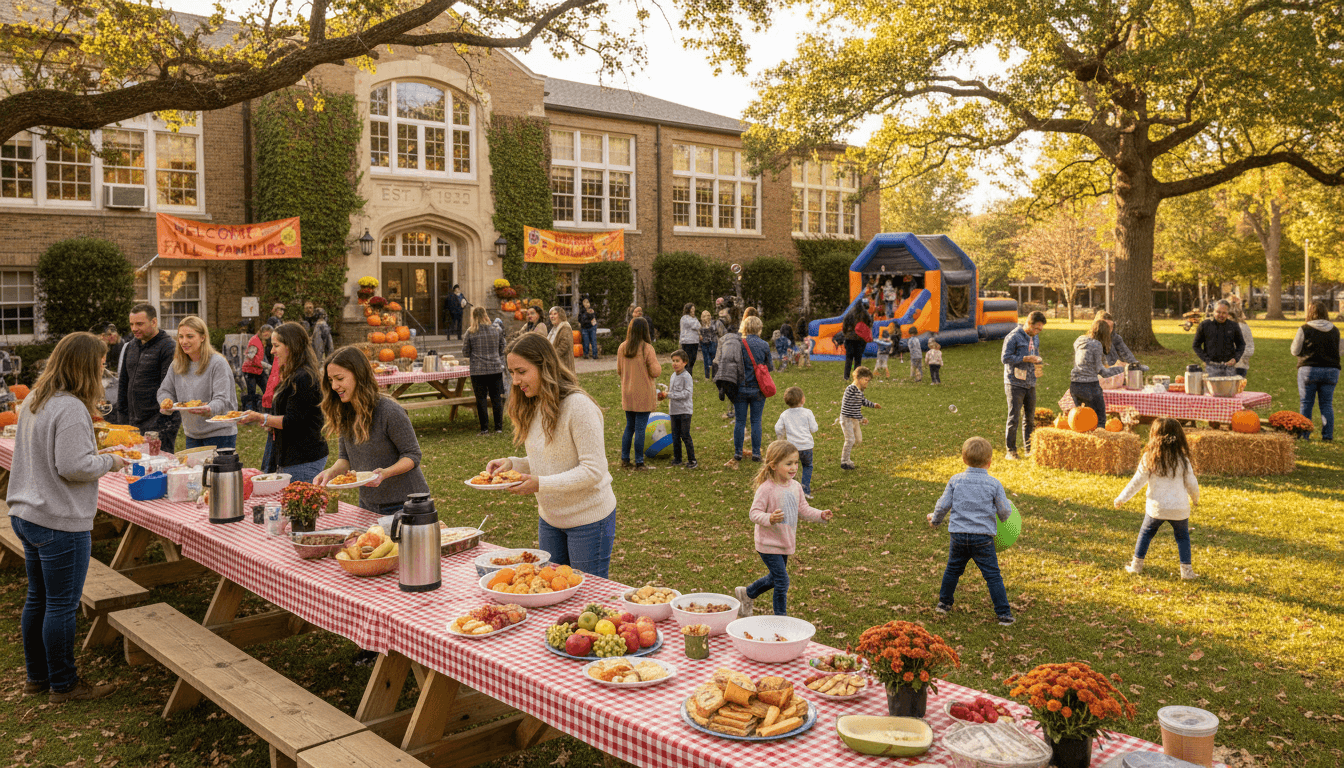
September Community Message Newsletter: Turning First Impressions Into Lasting Engagement
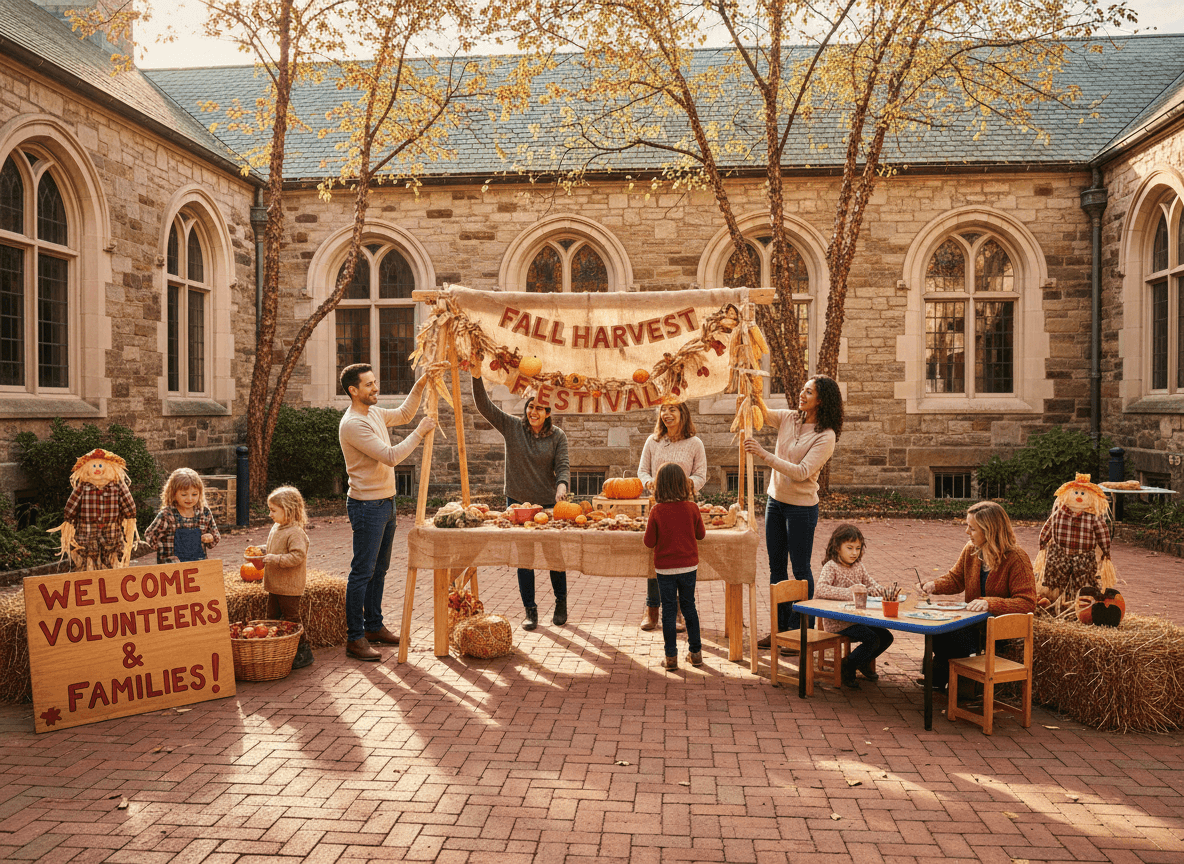
By the time September's community newsletter goes out, the first week of school is behind you and families have formed their initial impressions. Some are already engaged and enthusiastic. Others are still figuring out where the school fits in their lives. The September community message is how you reach both groups.
Its job is not to deliver breaking news. It is to deepen the connection that August started, remind families that community is built on purpose, and invite them into what is coming next.
Reflect on the First Weeks With Something Real
Open with a specific observation from the first weeks of school. Not a performance metric. Something human. A conversation you overheard between two students on the playground. A moment in a classroom that reminded you why this work matters. A teacher you watched handle something difficult with extraordinary grace.
Families who read newsletters in September are deciding how much to invest in this school community. A principal who is clearly paying attention to the details of daily life at school earns that investment.
Celebrate Early-Year Community Moments
September typically holds some of the year's most community-building events: back-to-school nights, meet-the-teacher mornings, fall picnics, first PTSA meetings, or informal gatherings organized by parents. If any of these have already happened, mention them. Thank the organizers by name if possible. If they are still coming up, preview them with enough warmth that families prioritize them.
Community events gain momentum from being acknowledged. When a principal takes thirty seconds in a newsletter to thank the families who organized the welcome picnic, those families feel seen, and other families notice that contribution is recognized here.
Introduce New Staff and Families
September is still early enough that introductions matter. If you have new staff who were not fully introduced in August, this is the place to do it. A name, a role, one sentence about background or enthusiasm for the school. Short enough to be read, personal enough to be remembered.
If your school has a way of welcoming new families publicly, do it here too. Even a simple "We are delighted to welcome 47 new families to our community this year" makes those families feel acknowledged in a school-wide context.
Share Volunteer Opportunities With Specific Asks
September is the window when families are most open to getting involved. They have the year ahead of them, no volunteer fatigue yet, and genuine goodwill toward the school. Use this window with specific, actionable requests.
"We need four families to help with the fall book fair from October 12 to 16. If you can spare a morning or an afternoon, contact the library at the address below" will get responses. "Volunteers are needed for various school activities" will not. The more specific the ask, the more likely people are to say yes.
Acknowledge Community Partners
If your school has relationships with local organizations, businesses, or nonprofits that are active in September, name them. The library that hosted back-to-school reading events. The neighborhood association that helped fund new playground equipment. The local grocery store that is running a school supply drive. These acknowledgments reinforce that your school is part of a larger community, not an island.
Preview What Is Coming in October
Give families enough of a forward look that they can plan. October tends to bring family nights, fall festivals, parent-teacher conferences, and the first major assessment reporting window. Planting these dates in September gives families the calendar visibility they need without overwhelming them with logistics too early.
A short "Mark your calendars" section at the end of the September community newsletter is useful and expected. Keep it to the five or six most important dates with one-line descriptions.
Close With Something That Builds Belonging
End the September newsletter not with a reminder or a logistics note, but with a sentence or two that reinforces why this community is worth showing up for. It does not need to be inspiring. It needs to be true. "September always reminds me why I came to this school. Glad you are here with us." That is enough.
Get one newsletter idea every week.
Free. For teachers. No spam.
Frequently asked questions
What community content works best for the September newsletter?
September newsletters benefit from event previews, volunteer recruitment, and early-year community recognitions. Families are still in a high-engagement phase in September, so it is the best time to invite participation in anything that requires sign-up or commitment.
How do I balance community warmth with practical information in a September newsletter?
Lead with the relational content and place logistics toward the end. A September community message that opens with a celebration or a story and closes with a list of dates lands better than one that leads with reminders. Families read past the warm opening to get to the information.
Should I introduce new staff members in the September community newsletter?
Yes, if you did not do so in August. A brief introduction with a name, role, and one personal detail helps new staff feel welcomed by the community and helps families recognize names they may encounter. Keep introductions to two or three sentences per person.
How do I write about local business partnerships without it feeling like an advertisement?
Frame the partnership in terms of what it means for students or families. 'The bookstore on Elm Street is donating 100 books to our classroom libraries this fall' is community news. 'Check out the bookstore on Elm Street for all your reading needs' is an ad. The difference is whether the school is the beneficiary or the promoter.
What newsletter platform works best for principals sending community messages?
Daystage is specifically designed for school communication, which means community newsletters look polished and arrive reliably in family inboxes. You can include event photos, embed sign-up links, and write in a format that feels like a real school newsletter rather than a plain email.

Adi Ackerman
Author
Adi Ackerman is a former classroom teacher and curriculum writer with 8 years in K-8 schools. She writes about school communication, parent engagement, and what actually works in real classrooms.
More for Principals
August Community Message Newsletter: Building Family Connection Before School Starts
Principals · 6 min read
October Community Message Newsletter: Fall Events, Family Nights, and School Culture Highlights
Principals · 6 min read
September Academic Update Newsletter: What to Share After the First Weeks of School
Principals · 6 min read
Ready to send your first newsletter?
3 newsletters free. No credit card. First one ready in under 5 minutes.
Get started free